Soda tax will not be on Davis ballot

Heading 2

Lorem ipsum dolor sit amet, consectetur adipisicing elit. Nostrum minus ea suscipit porro alias corporis libero at. Perferendis omnis, veniam nemo beatae vel? Tempora numquam a repellat eaque natus, magnam?

Heading 2

Lorem ipsum dolor sit amet, consectetur adipisicing elit. Autem ipsum mollitia neque, illum illo excepturi, eum incidunt fugit nostrum est, voluptate eaque minima corporis debitis at, dolores ipsam. Quaerat, dolores.

Heading 2

Lorem ipsum dolor sit amet, consectetur adipisicing elit. Autem ipsum mollitia neque, illum illo excepturi, eum incidunt fugit nostrum est, voluptate eaque minima corporis debitis at, dolores ipsam. Quaerat, dolores.

Heading 2

Lorem ipsum dolor sit amet, consectetur adipisicing elit. Autem ipsum mollitia neque, illum illo excepturi, eum incidunt fugit nostrum est, voluptate eaque minima corporis debitis at, dolores ipsam. Quaerat, dolores.

Heading 2

Lorem ipsum dolor sit amet, consectetur adipisicing elit. Autem ipsum mollitia neque, illum illo excepturi, eum incidunt fugit nostrum est, voluptate eaque minima corporis debitis at, dolores ipsam. Quaerat, dolores.

Reprinted from The Sacramento Bee
(2/3/2016)

After weeks of heated debate between local health advocates and small business owners, the Davis city council ultimately decided not to place a one-cent-per-ounce soda tax on the June 2016 ballot, with several members stating that it would not be an effective revenue-raising measure for much-needed city infrastructure.

The measure, first proposed in late 2015 and discussed at a mid-December council meeting, was modeled after a similar policy in Berkeley, the first city in the nation to add a tax to sugary beverages. Davis residents packed the chambers Tuesday night to voice either passionate support or vehement opposition about whether such a tax deserved a vote.

Health advocates gather outside Davis city hall Monday to voice support for potential soda tax. Video by Sammy Caiola, [email protected]@sacbee.com
The 3-2 rejection of the measure came to the great relief of small business owners, who showed up in force to explain how a soda tax would threaten their already thin profit margins. Many expressed concern that soda sales would go down, and that the tax would add an unfair burden to already-strapped employees.

“When these kinds of proposals are put together, it’s always the small consumers and small businesses that get hurt first,” said Suresh Kumar, owner of Olive Drive Market in Davis. “If you see what they’ve done in Berkeley, I have not heard anything positive about the tax that’s been imposed.”

Children’s health was the main talking point for proponents of the tax, who held a press conference Monday to rally support for the measure and inform the community about what they called a public health crisis. Several supporters showed up on Tuesday to voice concern about high rates of obesity and diabetes among youth.

“We need to protect our children,” said Davis resident Bill Ritter. “We need to educate the next generation about health habits, and this tax was a modest way to move in that direction.”

Rather than return with a formal sugary beverage tax measure for the ballot, as councilmen Robb Davis and Brett Lee had supported; city staff will return to council on Feb. 16 with ideas for a task force to address various child health issues. That solution came from a Substitute motion by councilwoman Rochelle Swanson, and garnered the support of councilman Lucas Frerichs and mayor Dan Wolk.

The council also declined to put on the June ballot a marijuana measure, which would have taxed the sale of cannabis should it be legalized on the state level, and a parcel tax. They agreed 4-1 to put a two percent raise to the existing 10% transient occupancy tax up for a vote.

 

CGA Hires Senior Director, Government Relations

Heading 2

Lorem ipsum dolor sit amet, consectetur adipisicing elit. Nostrum minus ea suscipit porro alias corporis libero at. Perferendis omnis, veniam nemo beatae vel? Tempora numquam a repellat eaque natus, magnam?

Heading 2

Lorem ipsum dolor sit amet, consectetur adipisicing elit. Autem ipsum mollitia neque, illum illo excepturi, eum incidunt fugit nostrum est, voluptate eaque minima corporis debitis at, dolores ipsam. Quaerat, dolores.

Heading 2

Lorem ipsum dolor sit amet, consectetur adipisicing elit. Autem ipsum mollitia neque, illum illo excepturi, eum incidunt fugit nostrum est, voluptate eaque minima corporis debitis at, dolores ipsam. Quaerat, dolores.

Heading 2

Lorem ipsum dolor sit amet, consectetur adipisicing elit. Autem ipsum mollitia neque, illum illo excepturi, eum incidunt fugit nostrum est, voluptate eaque minima corporis debitis at, dolores ipsam. Quaerat, dolores.

Heading 2

Lorem ipsum dolor sit amet, consectetur adipisicing elit. Autem ipsum mollitia neque, illum illo excepturi, eum incidunt fugit nostrum est, voluptate eaque minima corporis debitis at, dolores ipsam. Quaerat, dolores.

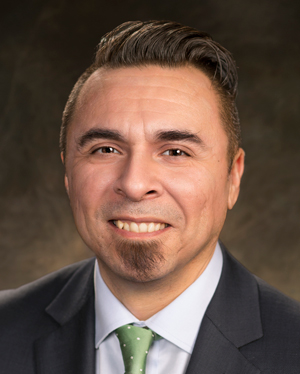
SACRAMENTO, CA (February 1, 2016) – The California Grocers Association is pleased to announce the hiring of Aaron Moreno, as Senior Director, State Government Relations, effective immediately.

AaronMoreno_color
Aaron Moreno

In this position, Moreno is responsible for advocating, managing and coordinating CGA’s state, regulatory and local government relations programs. He will develop and implement strategies to coordinate state and local policy priorities and engage pro-actively to identify emerging policy issues.

His duties will also include managing CGA’s external advocacy team and the Association’s PAC and IEC programs. Moreno will report to Keri Askew Bailey, senior vice president, Government Relations and Public Policy.

“Aaron has worked inside the State Capitol for the past 10 years and has strong relationships with key legislators,” said Bailey. “CGA continues to strengthen its advocacy program and Aaron’s extensive experience is a tremendous plus for the Association.”

Prior to joining CGA, Moreno was Legislative Director for California Assemblymember Mike Gatto and was responsible for the oversight of the legislator’s legislative package, as well as staffing individual pieces of legislation. He has also served as Legislative Director for Assemblymember Joe Canciamilla and a Legislative Assistant for both Assembly Majority Leader Charles Calderon and Assemblymember Canciamilla.

“Aaron is a seasoned veteran in the Capitol,” said Bailey. “His understanding of how the Legislature operates and his vast professional relationships with legislators and their staff will greatly enhance our government relations program.”

Contact information:

Aaron Moreno
California Grocers Association
1215 K Street, Suite 700
Sacramento, CA
E-Mail: [email protected]

Editorial: Don’t backtrack on statewide plastic bag ban

Heading 2

Lorem ipsum dolor sit amet, consectetur adipisicing elit. Nostrum minus ea suscipit porro alias corporis libero at. Perferendis omnis, veniam nemo beatae vel? Tempora numquam a repellat eaque natus, magnam?

Heading 2

Lorem ipsum dolor sit amet, consectetur adipisicing elit. Autem ipsum mollitia neque, illum illo excepturi, eum incidunt fugit nostrum est, voluptate eaque minima corporis debitis at, dolores ipsam. Quaerat, dolores.

Heading 2

Lorem ipsum dolor sit amet, consectetur adipisicing elit. Autem ipsum mollitia neque, illum illo excepturi, eum incidunt fugit nostrum est, voluptate eaque minima corporis debitis at, dolores ipsam. Quaerat, dolores.

Heading 2

Lorem ipsum dolor sit amet, consectetur adipisicing elit. Autem ipsum mollitia neque, illum illo excepturi, eum incidunt fugit nostrum est, voluptate eaque minima corporis debitis at, dolores ipsam. Quaerat, dolores.

Heading 2

Lorem ipsum dolor sit amet, consectetur adipisicing elit. Autem ipsum mollitia neque, illum illo excepturi, eum incidunt fugit nostrum est, voluptate eaque minima corporis debitis at, dolores ipsam. Quaerat, dolores.

Reprinted from The Sacramento Bee (1/6/2016)

BY DOLORES HUERTA AND HANS JOHNSON

Special to The Bee

The new year provokes reflection on victories we have achieved for social and environmental justice, including the growing effort to educate Californians about the costs of plastic pollution.

But that effort faces a fierce counterattack by out-of-state polluters to preserve their enormous profits at our expense.

Their assault on one pillar of our progress, the 2014 statewide ban on throwaway plastic bags, will appear on the ballot in November. A majority “yes” vote is needed to preserve our first-in-the-nation law.

Plastic pollution takes several forms and exacts a steep price from taxpayers, including millions of dollars spent by local governments to pull plastic from storm drains. In Los Angeles last fall, a flash flood hit homes and businesses in the heavily Latino neighborhood of Boyle Heights. Plastic bags were implicated in clogging a catch basin.

Plastic pollution also blights our parks and private property. It poses health threats to infants with suffocation (that’s why plastic bags carry a mandatory warning label), to children and adults from plastics that infiltrate our water supply and food chain, and to turtles and marine creatures that suffer by ingesting them.

Nearly two-thirds of Californians support the plastic bag ban, and stopping plastic pollution is a goal that unites us.

In October, Gov. Jerry Brown signed a statewide ban on tiny plastic microbeads, used in some facial cleansers and lotions. They escape most filters and pervade our lakes and waterways, where they absorb toxic compounds such as PCBs, and get consumed by fish that humans eat. Microbead levels in San Francisco Bay are among the highest in the nation. California’s ban built momentum for a bipartisan federal ban on microbeads, signed into law by the president last month.

Last week, Sacramento joined the list of more than 130 cities and counties throughout our state that ban throwaway plastic bags. It continues Californians’ shift to paper and reusable bags, often made with recycled material. Making and marketing reusable bags is a growing industry throughout our state with enormous growth potential.

That scares some out-of-state plastic makers, such as Hilex Poly in South Carolina. They spent millions of dollars to block our statewide ban on throwaway plastic bags from becoming law. When we prevailed against their lobbying onslaught, they spent millions more to trigger a referendum on the law.

Their business model depends on sending billions of products that don’t biodegrade into our state while sticking Californians with the costs of picking them out of storm grates and beaches and putting them in dumps.

Negative rankings for big out-of-state polluters, and strong public support for the bag ban, have led opponents to consider a desperate strategy. They may launch a parallel initiative to meddle with the law. Because that ballot measure would need a “no” vote to stop it, they’re banking on confusion among voters, who might simply vote no on both. Dirty profits call for devious measures.

Californians should not be duped. Voting “yes” to keep our hard-won statewide ban is one simple way to help our environment. We can also reject deception and manipulation of our democracy by out-of-state polluters who will do anything to hold back our cleaner, greener economy.

Dolores Huerta is co-founder of the United Farm Workers and president of the Dolores Huerta Foundation, and can be contacted at [email protected].

Hans Johnson is president of Progressive Victory and founder of the Institute for Smart Waste Policy, and can be contacted at [email protected].


Raley’s Exec Elected CGA Chair

Heading 2

Lorem ipsum dolor sit amet, consectetur adipisicing elit. Nostrum minus ea suscipit porro alias corporis libero at. Perferendis omnis, veniam nemo beatae vel? Tempora numquam a repellat eaque natus, magnam?

Heading 2

Lorem ipsum dolor sit amet, consectetur adipisicing elit. Autem ipsum mollitia neque, illum illo excepturi, eum incidunt fugit nostrum est, voluptate eaque minima corporis debitis at, dolores ipsam. Quaerat, dolores.

Heading 2

Lorem ipsum dolor sit amet, consectetur adipisicing elit. Autem ipsum mollitia neque, illum illo excepturi, eum incidunt fugit nostrum est, voluptate eaque minima corporis debitis at, dolores ipsam. Quaerat, dolores.

Heading 2

Lorem ipsum dolor sit amet, consectetur adipisicing elit. Autem ipsum mollitia neque, illum illo excepturi, eum incidunt fugit nostrum est, voluptate eaque minima corporis debitis at, dolores ipsam. Quaerat, dolores.

Heading 2

Lorem ipsum dolor sit amet, consectetur adipisicing elit. Autem ipsum mollitia neque, illum illo excepturi, eum incidunt fugit nostrum est, voluptate eaque minima corporis debitis at, dolores ipsam. Quaerat, dolores.

Grocery Executive To Serve One-Year Term As Chair.

SACRAMENTO, CA (Dec. 4, 2015) – Kevin Konkel, Senior Vice President, Store Operations, for Raley’s Family of Fine Stores was elected the 2015-2016 California Grocers Association Chairman of the Board of Directors at the Association’s Annual Meeting on Dec. 4, 2015.

konkelwebsiteAs Chair, Konkel will lead the Board’s strategy regarding CGA’s numerous legislative, educational, communications and industry-related programs. The Association is comprised of more than 300 retail companies operating more than 6,000 stores in California and Nevada. The chair serves for one year. He succeeds Immediate Past Chair Joe Falvey, Unified Grocers, Inc.

“Kevin is known in our industry not only as a stellar and experienced grocery executive, but also as a connector and facilitator,” says CGA President Ron Fong. “You are just as likely to find him meeting with a new industry start-up as you would running a strategy and marketing meeting with a roomful of industry veterans. We are fortunate to have him as our Chair this coming year.”

In addition to Konkel, the following individuals were elected to the 2015-2016 CGA Board of Directors Executive Committee: First Vice Chair, Diana Godfrey, Smart & Final Stores; Second Vice Chair, Jim Wallace, Albertsons Companies Inc.; Treasurer, Bob Parriott, Twain Harte Market; Secretary, Kendra Doyel, Ralphs Grocery Co.; and Immediate Past Chair, Joe Falvey, Unified Grocers, Inc.

Chairman’s appointments to the Executive Committee include: Dave Jones, Kellogg Company; Phil Miller, C&S Wholesale Grocers, Inc., and Kevin Arceneaux, Mondelez International Inc. Dennis Darling, Foods Etc., was appointed as a non-voting committee member.

Directors elected to their first full three-year term include: Denny Belcastro, Kimberly-Clark Corp.; Bob Bukovec, Tyson Foods, Inc.; Steve Dietz, Tony’s Fine Foods; Ryan Jost, Procter & Gamble; Michel LeClerc, Holiday/Sav-Mor Foods, Mark McLean, CROSSMARK; and Doug Todd, PepsiCo Inc.

Directors elected to their second three-year term include: Jon Alden, Jelly Belly Candy Co.; Renee Amen, Super A Foods, Inc.; Teresa Anaya, Northgate Gonzalez Markets; Joe Angulo, El Super (Bodega Latina Corp.); Eric Lindberg, Grocery Outlet, Inc.; David Madden, MillerCoors; Hee-Sook Nelson, Gelson’s Markets; and Bob Richardson, The Clorox Company.

Former CGA Chair Mary Kasper, Unified Grocers Inc., was elected an honorary board member.

CGA Purchases Future Headquarters

Heading 2

Lorem ipsum dolor sit amet, consectetur adipisicing elit. Nostrum minus ea suscipit porro alias corporis libero at. Perferendis omnis, veniam nemo beatae vel? Tempora numquam a repellat eaque natus, magnam?

Heading 2

Lorem ipsum dolor sit amet, consectetur adipisicing elit. Autem ipsum mollitia neque, illum illo excepturi, eum incidunt fugit nostrum est, voluptate eaque minima corporis debitis at, dolores ipsam. Quaerat, dolores.

Heading 2

Lorem ipsum dolor sit amet, consectetur adipisicing elit. Autem ipsum mollitia neque, illum illo excepturi, eum incidunt fugit nostrum est, voluptate eaque minima corporis debitis at, dolores ipsam. Quaerat, dolores.

Heading 2

Lorem ipsum dolor sit amet, consectetur adipisicing elit. Autem ipsum mollitia neque, illum illo excepturi, eum incidunt fugit nostrum est, voluptate eaque minima corporis debitis at, dolores ipsam. Quaerat, dolores.

Heading 2

Lorem ipsum dolor sit amet, consectetur adipisicing elit. Autem ipsum mollitia neque, illum illo excepturi, eum incidunt fugit nostrum est, voluptate eaque minima corporis debitis at, dolores ipsam. Quaerat, dolores.

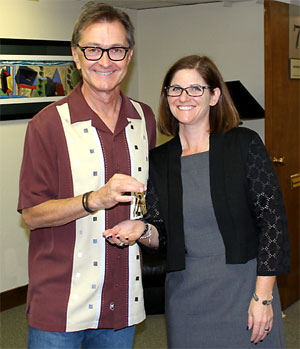
CGA Senior Vice President Keri Askew-Bailey receives the keys to the building from previous owner Butch Corum.

SACRAMENTO, CA – The California Grocers Association announced today that it has completed the purchase of an office building located at 1005 12th Street in downtown Sacramento, Calif. The Association will manage the building under the name Aisle 3 Concepts, LLC.

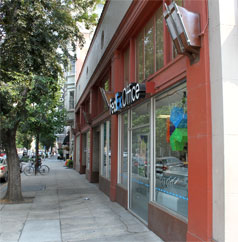
The 20,544 square foot three-level structure, built in 1925, is anchored by a FedEx Office Print & Ship Center on the corner of J and 12th Street. Additional retail spaces, including a Wells Fargo ATM, occupy the ground level.

Aisle 3 Concepts will renovate the second floor and move CGA’s offices in 2018 after its lease at 1215 K Street in Sacramento expires. The lower floor will be renovated for potential tenant space.

“As CGA expands its member programs it became apparent the Association needed more space. For some time CGA has wanted to purchase a building that could allow for that expansion.” said CGA President/CEO Ron Fong.

“This purchase represents a sound investment for the Association. Its location is perfect for our government relations activities,“ he added.

IMG_7614_websiteCGA Chair Joe Falvey, Unified Grocers, Inc., said the building purchase will stabilize rent and save the Association a significant amount of money in the coming years.

“This building purchase will be CGA’s legacy for the future,” Falvey said. “Our members will own their own building and be a part of the revitalization of Sacramento’s downtown business district.”

Gov. Brown Signs Grocery Worker Retention Bill

Heading 2

Lorem ipsum dolor sit amet, consectetur adipisicing elit. Nostrum minus ea suscipit porro alias corporis libero at. Perferendis omnis, veniam nemo beatae vel? Tempora numquam a repellat eaque natus, magnam?

Heading 2

Lorem ipsum dolor sit amet, consectetur adipisicing elit. Autem ipsum mollitia neque, illum illo excepturi, eum incidunt fugit nostrum est, voluptate eaque minima corporis debitis at, dolores ipsam. Quaerat, dolores.

Heading 2

Lorem ipsum dolor sit amet, consectetur adipisicing elit. Autem ipsum mollitia neque, illum illo excepturi, eum incidunt fugit nostrum est, voluptate eaque minima corporis debitis at, dolores ipsam. Quaerat, dolores.

Heading 2

Lorem ipsum dolor sit amet, consectetur adipisicing elit. Autem ipsum mollitia neque, illum illo excepturi, eum incidunt fugit nostrum est, voluptate eaque minima corporis debitis at, dolores ipsam. Quaerat, dolores.

Heading 2

Lorem ipsum dolor sit amet, consectetur adipisicing elit. Autem ipsum mollitia neque, illum illo excepturi, eum incidunt fugit nostrum est, voluptate eaque minima corporis debitis at, dolores ipsam. Quaerat, dolores.

On the last day to take action, Governor Brown signed AB 359 (D-Gonzalez) into law. The bill will take effect on January 1, 2016.

Specifically, AB 359 creates onerous and largely unworkable requirements that a new owner retain eligible employees for a period of at least 90 days and provide written performance evaluations at the 90-day mark. During the mandated retention period, employees may only be fired for cause. In a brand new interpretation, it appears that a new owner may also be required to honor any collective bargaining agreement in place at the store location prior to the sale.

Perhaps most disturbing, the bill applies only to stores “primarily” selling groceries. There are significant concerns that will not include several major competitors in the grocery marketplace as general retail stores move more aggressively into the grocery space.

CGA is extremely disappointed the Governor chose to sign this poorly drafted measure. Unfortunately, given all its shortcomings, AB 359 actually creates a greater likelihood that companies will be forced to shutter locations that are no longer viable rather than identify a successor to operate in the location. Jobs will be lost, communities will see grocery access reduced, and in some cases food deserts will be created.

Editorial: Grocery Bill is Veiled Attempt to Boast Union Organizing and Should be Vetoed

Heading 2

Lorem ipsum dolor sit amet, consectetur adipisicing elit. Nostrum minus ea suscipit porro alias corporis libero at. Perferendis omnis, veniam nemo beatae vel? Tempora numquam a repellat eaque natus, magnam?

Heading 2

Lorem ipsum dolor sit amet, consectetur adipisicing elit. Autem ipsum mollitia neque, illum illo excepturi, eum incidunt fugit nostrum est, voluptate eaque minima corporis debitis at, dolores ipsam. Quaerat, dolores.

Heading 2

Lorem ipsum dolor sit amet, consectetur adipisicing elit. Autem ipsum mollitia neque, illum illo excepturi, eum incidunt fugit nostrum est, voluptate eaque minima corporis debitis at, dolores ipsam. Quaerat, dolores.

Heading 2

Lorem ipsum dolor sit amet, consectetur adipisicing elit. Autem ipsum mollitia neque, illum illo excepturi, eum incidunt fugit nostrum est, voluptate eaque minima corporis debitis at, dolores ipsam. Quaerat, dolores.

Heading 2

Lorem ipsum dolor sit amet, consectetur adipisicing elit. Autem ipsum mollitia neque, illum illo excepturi, eum incidunt fugit nostrum est, voluptate eaque minima corporis debitis at, dolores ipsam. Quaerat, dolores.

Reprinted from The Sacramento Bee (July 21, 2015)

What once was old is new again. This old adage rings true, especially with regards to California public policy. Assembly Bill (AB) 359 authored by Assemblywoman Lorena Gonzalez (D-San Diego), which is on Gov. Jerry Brown’s desk awaiting signature or veto, is just that. It is simply a retread of a long line of failed attempts to force new burdensome regulations on California businesses.

Specifically, AB 359 would impose mandatory worker retention standards upon change of ownership for traditional grocery stores over 15,000 square feet.  This measure may make for a catchy sound bite or fall in line with a campaign platform—but AB 359 is an unnecessary proposal riddled with unintended consequences that will limit food access, lead to job loss and hurt family-owned companies.

AB 359 is at the top of the California Chamber of Commerce “Job Killers” list, and rightfully so. Prior attempts to establish the unprecedented policy of taking away a private employer’s right to choose their own workforce have either been rejected by the Legislature or has been vetoed by the sitting Governor.

AB 359 won’t create stability, and instead will cause blight when failing grocery stores are forced to close their doors rather than sell to a company whose format and business model better reflect the needs of the community they serve.

If the demographics in a neighborhood change, the original store format may no longer be suited for that community. Generally speaking, grocery store owners look for a buyer whose business model meets the needs of the changing community. AB 359 will stall transactions or, worse, scare off potential buyers who would be subject to a host of new regulations including burdensome record keeping requirements, different workforce standards and greater potential for frivolous litigation. All the while big-box retailers, chain pharmacies and others would not be subject to the same set of standards.

The average size of a traditional supermarket, regardless of ownership, is about 45,000 square feet according to the Food Marketing Institute. With razor thin profit margins, often 1 to 2 percent, sales volume is essential to success in the traditional grocery industry. To yield a profitable volume a store must have tens of thousands of products. Setting aside a few uniquely positioned business models, traditional grocers must operate at a larger footprint in order to offer the variety of products customers are seeking; this includes many independent and family owned companies. AB 359’s arbitrary footprint threshold of 15,000 square feet reflects a lack of experience and knowledge of the grocery industry.

The author has failed to produce any substantial evidence that warrants this targeted attack on the industry.  In fact, on the contrary, the grocery industry saw one of the largest and most successful California-based mergers earlier this year between two major grocery chains. The merger resulted in 83 store locations sold in Southern California, purchased by a single buyer, who voluntarily retained store employees. The buyer even honored the collective bargaining agreements already in place.

AB 359 creates an unlevel playing field for small family-owned businesses by exempting out some of the largest retailers in the country and the author never produced examples of Californians being put out of work explicitly due to grocery companies merging.

The answer is clear – AB 359 is nothing more than a Trojan horse designed to assist labor groups in their organizing efforts.

If a new employer is forced to retain a 50 percent plus one unionized workforce for 90 days, a federal statute known as the “Successor Employer Doctrine” is triggered. This means that the existing workforce is automatically recognized as the bargaining unit – without a vote by the employees.

One of the chief responsibilities of the legislature is to pass responsible, economically viable policies aimed at balancing the needs of its citizens, not green-lighting policies that will make it easier for big labor to organize.  AB 359 is bad public policy and is a solution in search of a problem that simply has not been identified. We urge Governor Brown to veto this bad legislation.

Ronald K. Fong
President  & CEO, California Grocers Association

Rex S. Hime
President  & CEO, California Business Properties Association

Onerous Grocery Worker Retention Bill Heads to Governor

Heading 2

Lorem ipsum dolor sit amet, consectetur adipisicing elit. Nostrum minus ea suscipit porro alias corporis libero at. Perferendis omnis, veniam nemo beatae vel? Tempora numquam a repellat eaque natus, magnam?

Heading 2

Lorem ipsum dolor sit amet, consectetur adipisicing elit. Autem ipsum mollitia neque, illum illo excepturi, eum incidunt fugit nostrum est, voluptate eaque minima corporis debitis at, dolores ipsam. Quaerat, dolores.

Heading 2

Lorem ipsum dolor sit amet, consectetur adipisicing elit. Autem ipsum mollitia neque, illum illo excepturi, eum incidunt fugit nostrum est, voluptate eaque minima corporis debitis at, dolores ipsam. Quaerat, dolores.

Heading 2

Lorem ipsum dolor sit amet, consectetur adipisicing elit. Autem ipsum mollitia neque, illum illo excepturi, eum incidunt fugit nostrum est, voluptate eaque minima corporis debitis at, dolores ipsam. Quaerat, dolores.

Heading 2

Lorem ipsum dolor sit amet, consectetur adipisicing elit. Autem ipsum mollitia neque, illum illo excepturi, eum incidunt fugit nostrum est, voluptate eaque minima corporis debitis at, dolores ipsam. Quaerat, dolores.

The California State Senate on July 13, passed AB 359 (D-Gonzalez), a measure that would impose onerous worker retention requirements on traditional supermarkets, on a 22-14 vote. The bill now heads to the Governor’s desk where he will have just 12 days to sign or veto the legislation.

While the vote came down largely along party lines, Big Labor was unable to secure support from four Democrats including Senators Cathleen Galgiani (D-Stockton) and Steve Glazer (D-Orinda) who voted no along with Senators Robert Hertzberg (D-Van Nuys) and Lois Wolk (D-Davis) who did not vote. Republican Senator Jeff Stone (R-Riverside County) spoke in opposition to the bill.

Mirroring ordinances in five localities, including Los Angeles and San Francisco, the bill seeks to require successor owners to retain eligible employees for at least 90 days under terms different than other company employees. Inexplicably, the bill exempts some of the largest competitors in the grocery space including superstores, chain pharmacies, and dollar discount stores.

CGA argued that the measure would create an unlevel playing field for California’s traditional supermarket sector as those companies would face additional barriers to store development and in sales transactions. In addition, we outlined concerns with significant avenues for litigation against companies. The California Chamber of Commerce has placed the bill on its annual “Job Killer” list.


CGA Statement Regarding California Senate Passing AB 359

We are extremely disappointed in the Senate’s action today in passing Assembly Bill 359. California Communities need more grocery options, not fewer. For the Legislature to approve a measure that unfairly singles out traditional grocery stores will only exacerbate food access and blight challenges in our State. Even the author acknowledges there is no identified problem and that this measure targets companies she herself stated have been, “…for the most part responsible employers in our state for a very long time.”

This bill will do little more than provide disincentives to grocery expansion and provide a competitive advantage to a select few – ironically those that do not generally provide the quality food options and middle-class jobs found in traditional markets. We applaud those members of the Senate—Democrats and Republicans alike who stood up for local communities and the grocers that support them. We look to Governor Brown to veto this poorly drafted attack on California’s grocery industry.

Ron Fong
President/CEO
California Grocers Association

Cool Weather Greets Foundation Golfers

Heading 2

Lorem ipsum dolor sit amet, consectetur adipisicing elit. Nostrum minus ea suscipit porro alias corporis libero at. Perferendis omnis, veniam nemo beatae vel? Tempora numquam a repellat eaque natus, magnam?

Heading 2

Lorem ipsum dolor sit amet, consectetur adipisicing elit. Autem ipsum mollitia neque, illum illo excepturi, eum incidunt fugit nostrum est, voluptate eaque minima corporis debitis at, dolores ipsam. Quaerat, dolores.

Heading 2

Lorem ipsum dolor sit amet, consectetur adipisicing elit. Autem ipsum mollitia neque, illum illo excepturi, eum incidunt fugit nostrum est, voluptate eaque minima corporis debitis at, dolores ipsam. Quaerat, dolores.

Heading 2

Lorem ipsum dolor sit amet, consectetur adipisicing elit. Autem ipsum mollitia neque, illum illo excepturi, eum incidunt fugit nostrum est, voluptate eaque minima corporis debitis at, dolores ipsam. Quaerat, dolores.

Heading 2

Lorem ipsum dolor sit amet, consectetur adipisicing elit. Autem ipsum mollitia neque, illum illo excepturi, eum incidunt fugit nostrum est, voluptate eaque minima corporis debitis at, dolores ipsam. Quaerat, dolores.

Unusually cool weather made for perfect golf conditions at the 2015 CGA Educational Foundation Southern California Golf Classic at Pacific Palms Resort in Industry, Calif., on July 8.

This year’s event was nearly 20 degrees cooler than in 2014 – a statistic that did not go unnoticed by the full field of grocery retailers and suppliers playing in this year’s tournament.

“The weather couldn’t have been better,” said CGAEF President Ron Fong. “Perfect weather for a perfect event to help raise funds for the Foundation’s college scholarship and tuition reimbursement programs. Thank you to all those who played and to the many event sponsors.”

Dan Benart, Stater Bros. Markets

In addition to a great day of golf, attendees heard from Dan Benart, a grocery supervisor for Stater Bros. Markets, who shared how the Foundation’s programs helped his children reach their education dreams and how he now is utilizing the Foundation to further his professional career.

Dan was introduced by newly elected Foundation Board of Trustee Tom Seaton, Stater Bros. Markets.

The Foundation’s Northern California tournament is July 21, 2015 at Blackhawk Country Club in Danville, Calif.

Congratulations to this year’s winners!

First Place
Michael Robinson
Lee Deminski
Alex Corsaro
Scott Anderson

Second Place
John Bonicatto
Diana Godfrey
Michael Paul
Mike Mortensen

Third Place
Mike Casazza
Sheryl Salazar
Rick Cruz
Pat McDowell

Closest to the Pin
Women – Diane Davilla
Men – Bob Kenneoy

Longest Drive
Women – Elizabeth Cherry
Men – Mike Paul

[FAG id=3091]

CGA Seeks In-House Controller/Accounting Executive

Heading 2

Lorem ipsum dolor sit amet, consectetur adipisicing elit. Nostrum minus ea suscipit porro alias corporis libero at. Perferendis omnis, veniam nemo beatae vel? Tempora numquam a repellat eaque natus, magnam?

Heading 2

Lorem ipsum dolor sit amet, consectetur adipisicing elit. Autem ipsum mollitia neque, illum illo excepturi, eum incidunt fugit nostrum est, voluptate eaque minima corporis debitis at, dolores ipsam. Quaerat, dolores.

Heading 2

Lorem ipsum dolor sit amet, consectetur adipisicing elit. Autem ipsum mollitia neque, illum illo excepturi, eum incidunt fugit nostrum est, voluptate eaque minima corporis debitis at, dolores ipsam. Quaerat, dolores.

Heading 2

Lorem ipsum dolor sit amet, consectetur adipisicing elit. Autem ipsum mollitia neque, illum illo excepturi, eum incidunt fugit nostrum est, voluptate eaque minima corporis debitis at, dolores ipsam. Quaerat, dolores.

Heading 2

Lorem ipsum dolor sit amet, consectetur adipisicing elit. Autem ipsum mollitia neque, illum illo excepturi, eum incidunt fugit nostrum est, voluptate eaque minima corporis debitis at, dolores ipsam. Quaerat, dolores.

In-House Controller/Accounting Executive

CGA_Logo_rgb2The California Grocers Association is a statewide trade association representing the food industry since 1898. CGA represents approximately 300 retail members operating over 6,000 food stores in California and Nevada, and approximately 150 grocery supplier companies. Retail membership includes chain and independent supermarkets, convenience stores and mass merchandisers.

SUMMARY 

This position is currently being handled by an outside CPA firm but the Association has grown to the point that an in-house full-time position is preferable. This position will report directly to the Association’s President/CEO and at an appropriate time in the future, to the Senior Vice President of Administration. There will be substantial interaction with members of the organization and several boards and committees affiliated with the association including a separate educational foundation. Presentations to various Boards, committees and groups will be necessary and frequent. The Association owns a small building in Sacramento, which will require managing the accounting needs for CGA and tenants.

ESSENTIAL FUNCTIONS 

1. Strong accounting skills including experience with budgeting, financial statement analysis and preparation.

2. Strong organizational and prioritizing skills.

3. Ability to self-direct and self-manage multi faceted work load of a busy association.

4. Contributing and compatible team player. Works closely with the association’s senior management team and various boards and committees.

5. Ability to understand, organize and improve current procedures and tasks.

6. Helps CEO and Senior Management Team manage several boards, financials, financial institutions and outside financial consultants.

7. Knowledge in investments, 401 (k) benefits and payroll management mandatory.

8. Manage accounting functions for Association’s building and tenants.

9. Strong Excel, Quick Books, SAGE, Crystal and accounting software skills.
MINIMUM QUALIFICATIONS 

  • Minimum of five years of experience working as a controller for a large company or preferably an association required. Similar experience at a CPA firm also acceptable.
  • Strong presentation and interpersonal skills are a premium quality.
  • Strong verbal communication skills and the ability to answer questions, present solutions and suggest efficiencies are a premium quality.
  • Four-year Bachelors Degree in accounting mandatory
  • Current CPA credentials preferred

SUPERVISES 

  • Minimum: One full time staff member and accounting manager

PHYSICAL DEMANDS 

Employee may experience the following physical demands for extended periods of time.

  • View computer monitors
  • Sitting
  • Standing for community functions, presentations, trade shows, etc.
  • Travel to other locations to represent CGA (Minimum 10%)

WORK ENVIRONMENT 

Work is performed in a corporate office environment in downtown Sacramento.

The California Grocers Association provides medical, dental, vision and chiropractic insurance for the employee and eligible dependents, and life insurance and long term disability for the employee. The Association also provides a generous 401(k) and profit sharing program. Parking in downtown location provided. Generous sick, vacation and holiday schedule provided.

The annual salary will be commensurate with experience and credentials but begins at $65,000.

The above information in this description has been designed to indicate the general nature and level of work performed by employees within this classification. It is not designed to contain or be interpreted as a comprehensive inventory of all duties, responsibilities and qualifications required of employees in this job.

Interested candidates should submit resume and cover letter to HR Manager, Lesley Hall at [email protected]. No phone calls, please.