Minimum wage initiative set for California’s fall ballot

Heading 2

Lorem ipsum dolor sit amet, consectetur adipisicing elit. Nostrum minus ea suscipit porro alias corporis libero at. Perferendis omnis, veniam nemo beatae vel? Tempora numquam a repellat eaque natus, magnam?

Heading 2

Lorem ipsum dolor sit amet, consectetur adipisicing elit. Autem ipsum mollitia neque, illum illo excepturi, eum incidunt fugit nostrum est, voluptate eaque minima corporis debitis at, dolores ipsam. Quaerat, dolores.

Heading 2

Lorem ipsum dolor sit amet, consectetur adipisicing elit. Autem ipsum mollitia neque, illum illo excepturi, eum incidunt fugit nostrum est, voluptate eaque minima corporis debitis at, dolores ipsam. Quaerat, dolores.

Heading 2

Lorem ipsum dolor sit amet, consectetur adipisicing elit. Autem ipsum mollitia neque, illum illo excepturi, eum incidunt fugit nostrum est, voluptate eaque minima corporis debitis at, dolores ipsam. Quaerat, dolores.

Heading 2

Lorem ipsum dolor sit amet, consectetur adipisicing elit. Autem ipsum mollitia neque, illum illo excepturi, eum incidunt fugit nostrum est, voluptate eaque minima corporis debitis at, dolores ipsam. Quaerat, dolores.

Reprinted from The Sacramento Bee (3/23/2016)

A ballot measure that would increase the minimum wage to $15 an hour by 2021 is headed for the November ballot, elections officials said Tuesday.

The Secretary of State’s Office projected that sponsors of “The Fair Wage Act of 2016” had turned in 423,236 valid voter signatures, more than enough to qualify by random sampling and avoid a complete count.

The initiative’s sponsor, Service Employees International Union United Healthcare Workers West, could choose to abandon the measure as late as June 30, amid the possibility that lawmakers, Gov. Jerry Brown and others could agree on an alternative approach before then.

Tuesday’s proposal would raise the minimum wage, currently $10 an hour, to $11 an hour by 2017, and by $1 an hour each subsequent year until it reaches $15 per hour Jan. 1, 2021. After that, the wage would automatically rise with the cost of living.

Supporters have raised more than $4.7 million, almost all of that from SEIU, United Healthcare Workers West.

The Service Employees International Union’s state council, California’s largest labor union, is currently gathering increasingly expensive signatures for a competing minimum wage increase. Similar to the UHW proposal, it would hike the base wage to $15 an hour by 2020 as well as mandate six paid sick days a year.

The current $10-an-hour wage kicked in at the start of the year, but statewide polls have consistently shown strong support for further increasing the wage floor in California.

Yet advocates worry that dueling proposals by quarreling unions could lead to mutual destruction, with voters rejecting both measures.

Tuesday’s signature update brings to eight the number of ballot measures that have qualified for the fall ballot, including efforts to ban plastic bags and require condom use in pornography filming.

CGA Hosts ADA Compliance Seminars

Heading 2

Lorem ipsum dolor sit amet, consectetur adipisicing elit. Nostrum minus ea suscipit porro alias corporis libero at. Perferendis omnis, veniam nemo beatae vel? Tempora numquam a repellat eaque natus, magnam?

Heading 2

Lorem ipsum dolor sit amet, consectetur adipisicing elit. Autem ipsum mollitia neque, illum illo excepturi, eum incidunt fugit nostrum est, voluptate eaque minima corporis debitis at, dolores ipsam. Quaerat, dolores.

Heading 2

Lorem ipsum dolor sit amet, consectetur adipisicing elit. Autem ipsum mollitia neque, illum illo excepturi, eum incidunt fugit nostrum est, voluptate eaque minima corporis debitis at, dolores ipsam. Quaerat, dolores.

Heading 2

Lorem ipsum dolor sit amet, consectetur adipisicing elit. Autem ipsum mollitia neque, illum illo excepturi, eum incidunt fugit nostrum est, voluptate eaque minima corporis debitis at, dolores ipsam. Quaerat, dolores.

Heading 2

Lorem ipsum dolor sit amet, consectetur adipisicing elit. Autem ipsum mollitia neque, illum illo excepturi, eum incidunt fugit nostrum est, voluptate eaque minima corporis debitis at, dolores ipsam. Quaerat, dolores.

The challenges of complying with the American With Disabilities Act were addressed at two regional seminars hosted by the California Grocers Association.

The seminars were conducted byDowney Brand, a Sacramento-based law firm CGA contracted with to create a comprehensive, user-friendly tool for the Association’s Grocery Compliance Toolkit. The toolkit was created to house various compliance “tools” to help grocery retailers understand and manage risks associated with complying with state regulations.

The ADA material was the second “tool” in the compliance toolkit. Previously, CGA released the first “tool,” that addressed hazardous waste disposal.

The ADA material and accompanying seminar address numerous issues including:

  • Overview of public access law
  • Understanding obligations for landlords vs tenants
  • Parking and paths of travel
  • Signage
  • Merchandise access
  • Restrooms
  • Point of Sale Issues
  • Service Animals

Attendees received a copy of the ADA toolkit. The CGA Educational Foundation will host a webinar on the ADA compliance toolkit on April 6. Registration information will be available the week of March 21 on the CGA website. Website participants will be provided a link to download the ADA compliance toolkit.

Brad Askeland Elected New CGA Educational Foundation Chair

Heading 2

Lorem ipsum dolor sit amet, consectetur adipisicing elit. Nostrum minus ea suscipit porro alias corporis libero at. Perferendis omnis, veniam nemo beatae vel? Tempora numquam a repellat eaque natus, magnam?

Heading 2

Lorem ipsum dolor sit amet, consectetur adipisicing elit. Autem ipsum mollitia neque, illum illo excepturi, eum incidunt fugit nostrum est, voluptate eaque minima corporis debitis at, dolores ipsam. Quaerat, dolores.

Heading 2

Lorem ipsum dolor sit amet, consectetur adipisicing elit. Autem ipsum mollitia neque, illum illo excepturi, eum incidunt fugit nostrum est, voluptate eaque minima corporis debitis at, dolores ipsam. Quaerat, dolores.

Heading 2

Lorem ipsum dolor sit amet, consectetur adipisicing elit. Autem ipsum mollitia neque, illum illo excepturi, eum incidunt fugit nostrum est, voluptate eaque minima corporis debitis at, dolores ipsam. Quaerat, dolores.

Heading 2

Lorem ipsum dolor sit amet, consectetur adipisicing elit. Autem ipsum mollitia neque, illum illo excepturi, eum incidunt fugit nostrum est, voluptate eaque minima corporis debitis at, dolores ipsam. Quaerat, dolores.

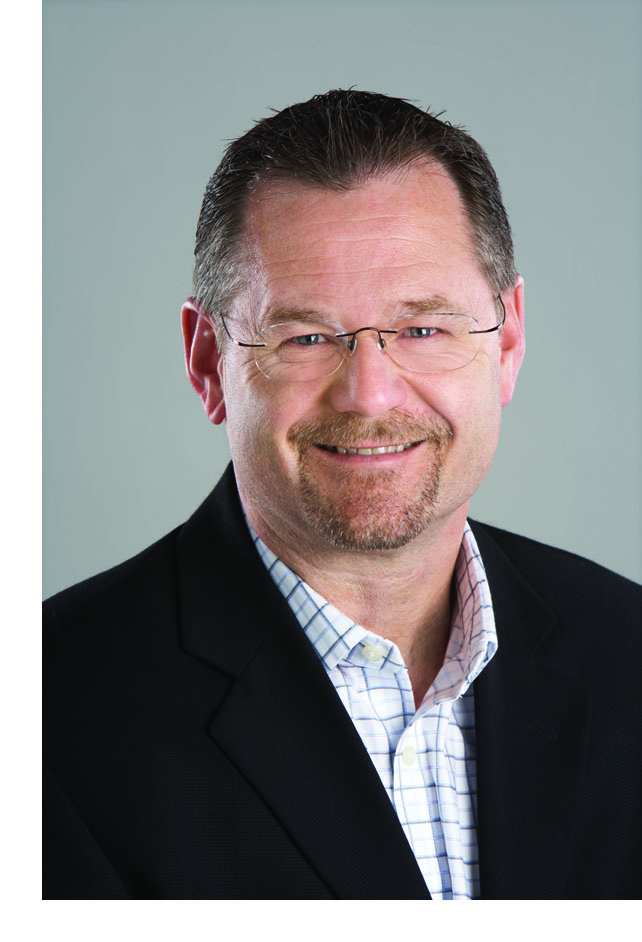
Brad Askeland, Vice President, Holiday Markets, has been elected Chairman of the California Grocers Association Educational Foundation Board of Trustees. Askeland had previously served as Foundation Vice Chair.

AskelandAskeland succeeds former CGAEF Chair Jim Van Gorkom, NuCal Foods, who served in that position since 2011. Mark Johnson, Unified Grocers, Inc., was elected to replace Askeland as the Board’s Vice Chair. Jacquie Slobom, Gelson’s Markets and Jerry Landers, Raley’s will continue as the Foundation’s secretary and treasurer, respectively.

“We look forward to Brad building on the programs Jim was instrumental in fostering,” said CGAEF President Ron Fong. “Brad has tremendous passion for the Foundation and will serve well as chair.”

Askeland’s responsibilities will be to guide and direct the CGAEF Board of Trustees. The Foundation was created in 1992 to advance California’s grocery industry through employee education, industry research and recognition of excellence.

The Foundation will celebrate its 25th year in 2017. During the past quarter-century the Foundation has awarded more than 3,200 scholarships totaling more than $4 million to deserving grocery industry employees and their dependents. In addition, the Foundation has reimbursed more than 13,000 individual courses for more than $1.3 million.

Askeland, who has served as a Trustee since 2009, began his grocery career in 1988 as a courtesy clerk for a small independent market before joining North State Grocery, Inc. in 1995. He managed several stores before being named director of human resources in 2003. Most recently, Askeland was promoted to vice president of Holiday Markets, a division of North State Grocery.

Foundation Inducts Three Execs Into Hall of Achievement

Heading 2

Lorem ipsum dolor sit amet, consectetur adipisicing elit. Nostrum minus ea suscipit porro alias corporis libero at. Perferendis omnis, veniam nemo beatae vel? Tempora numquam a repellat eaque natus, magnam?

Heading 2

Lorem ipsum dolor sit amet, consectetur adipisicing elit. Autem ipsum mollitia neque, illum illo excepturi, eum incidunt fugit nostrum est, voluptate eaque minima corporis debitis at, dolores ipsam. Quaerat, dolores.

Heading 2

Lorem ipsum dolor sit amet, consectetur adipisicing elit. Autem ipsum mollitia neque, illum illo excepturi, eum incidunt fugit nostrum est, voluptate eaque minima corporis debitis at, dolores ipsam. Quaerat, dolores.

Heading 2

Lorem ipsum dolor sit amet, consectetur adipisicing elit. Autem ipsum mollitia neque, illum illo excepturi, eum incidunt fugit nostrum est, voluptate eaque minima corporis debitis at, dolores ipsam. Quaerat, dolores.

Heading 2

Lorem ipsum dolor sit amet, consectetur adipisicing elit. Autem ipsum mollitia neque, illum illo excepturi, eum incidunt fugit nostrum est, voluptate eaque minima corporis debitis at, dolores ipsam. Quaerat, dolores.

Rob McDougall, Donna Tyndall and Bruce Wyatt Inducted Into CGA Educational Foundation Hall of Achievement

Executives recognized for lifelong commitment to industry, community

More than 650 friends, family and industry peers celebrated the induction of three grocery industry executives into the California Grocers Association Educational Foundation Hall of Achievement on March 9, 2016, in Costa Mesa, Calif.

Rob McDougall and Donna Tyndall, Gelson’s Markets, and Bruce Wyatt, Flowers Baking Company, join a prestigious group of Hall of Achievement inductees who have been recognized for their many contributions to not only the grocery industry, but the communities they serve.

“This year’s inductees are true icons of our industry. It is with great pleasure that we recognize Rob, Donna, and Bruce for their lifelong commitment to the grocery industry,” said CGAEF President Ron Fong. “Each inductee has a tremendous story to tell. Each have traveled different paths to reach this point in their careers. They are all deserving of this prestigious award.”

Led by this year’s event chairs Hee-Sook Nelson, Gelson’s Markets, and Jerry Whitmore, retired, Nestle DSD, the event raised more than $500,000 – funds that support the Foundation’s college scholarship and tuition reimbursement programs.

“The Foundation is extremely grateful to the many companies and individuals that have donated to this very worthy cause,” Fong said. “The funds raised from this event will help support the Foundation’s many worthwhile industry programs.”

The evening featured an inspiring speech by Abagail Gillmore, daughter of a Gelson’s Markets employee and a CGAEF scholarship recipient. Following her presentation, guests bid on live auction items and participated in a Fund-A-Need supporting CGAEF’s college scholarship and tuition reimbursement programs.

The CGA Educational Foundation was created under the direction of the California Grocers Association Board of Directors in 1992. Its mission is to provide financial assistance to advance the educational goals of CGA member company employees and their dependents and offer educational programs to advance the grocery industry. For more information regarding CGAEF programs and for a complete listing of past Hall of Achievement honorees, visit www.cgaef.org.

About our honorees

Rob McDougall, President & CEO, Gelson’s Markets

Rob has been in the grocery industry for more than 40 years. In January 2012, he assumed leadership of Gelson’s Markets, a chain of 18 Southern California supermarkets founded in 1951 that prides itself on quality and unmatched customer service

A Southern California native, Rob began his grocery career at age 16 as a bagger with Vons and worked his way through various positions including Produce Manager, Store Director and Produce Supervisor. Rob later moved to Michigan to work for D&W, a small upscale chain of markets. He left D&W as its Chief Operating Officer to return to his Southern California roots

Rob joined Gelson’s Markets in 2007 and quickly leveraged his previous experience to steer Gelson’s to a greater inclusion of organic and local products. While broadening his responsibilities, Rob has overseen key initiatives such as new designs for Gelson’s produce departments, a move into enhanced gluten free itemization, increased private label products, expanded selection of organics, and an investment in healthy selections

Rob serves on both the Unified Grocers, Inc and Western Association of Food Chains (WAFC) Board of Directors. He is a past director of the Fresh Produce Council and actively supports the grocery industry through the Food Marketing Institute and the California Grocers Association

Rob has been married to his wife Leah for 37 years and has twin adult sons, Shaun and Robert. Rob and Leah are also the proud grandparents of 11 grandchildren ranging in ages from 12 years to three months. In his off time Rob’s passion is to spend time with his family.

Donna Tyndall, Senior Vice President of Store Operations, Gelson’s Markets

Donna began her career with Gelson’s Markets 41 years ago as a clerk’s helper at the first Gelson’s location in Burbank.  While attending UCLA, she continued to work in a variety of positions including checker, clerk, and office cashier.  After graduating from UCLA, she entered management as the company’s first female manager.  She worked her way up to Store Manager and was later promoted to Supervisor of Operations.

After three years in store supervision, Donna assumed the position of Director of Grocery Buying and Merchandising, and was promoted to Vice President in 1998.  Her responsibilities then included Grocery Buying, Merchandising, Distribution, and Marketing.  Six years later she was promoted to Senior Vice President of Store Operations, and served in that position since 2004.

Donna has a bachelor’s degree from UCLA, and in 1989, graduated from the Food Industry Management Program in the Graduate School of Business at USC where she was selected by her peers as the “Student of the Year.”  In 2007, she was recognized by Progressive Grocer as one of the “Top Women in Grocery” in the United States, and was honored by the Food Industries Sales Managers Club (FISMC) in 1998 and 2009 at its annual “Women in the Industry” luncheon.

Donna is involved in a wide variety of grocery industry causes.  She served on the CGA Board of Directors for six years from 2006 through 2012.  She supports several charitable organizations including the City of Hope Food Industries Circle, the Muscular Dystrophy Association (MDA), Olive Crest, and the California Conference for Equality and Justice (CCEJ).  In 2003 she was recognized by the MDA with the Dennis Day Memorial Award and in 2010 she received the Humanitarian Award from CCEJ.

Donna is married to Mike Ketcham.  They reside in Sherman Oaks with their two dogs, and together enjoy golfing, traveling, gardening and reading.

Bruce Wyatt, Vice President Sales, Flowers Baking Company

Bruce Wyatt is Vice President of Sales in Southern California for Flowers Baking Company, headquartered in Thomasville, Georgia.

Bruce began his retail career at a young age working in his family’s direct store delivery retail milk business in Knightstown, Ind. After moving to Apple Valley, Calif., Bruce worked as an independent distributor for Bell Brand Chips and Archway Cookies. In 1981, he went to work for Oroweat Baking Co., eventually becoming Regional Manager for Retail Sales. In 2008, he went to work for Hansen Beverage Company, Corona, Calif., as Director of Sales. Two years later, Bruce began his second career in the baking business accepting his present position with Flowers Baking Company.

That same year, Bruce was elected Headlite of The Illuminators, an organization of vendors and suppliers dedicated to developing and enhancing key relationships within the grocery industry.

Bruce is a member of the CGA Supplier Executive Council, a former board member of the Food Sales Managers Club and has been involved in numerous charitable organizations including Olive Crest, City of Hope, Boy Scouts of America, California Conference for Equality and Justice, Muscular Dystrophy Association and Soccer for Hope Foundation.

Bruce and his wife, Kelli, live in San Clememte, Calif., and have two sons, Jackson and Christopher.

Soda tax will not be on Davis ballot

Heading 2

Lorem ipsum dolor sit amet, consectetur adipisicing elit. Nostrum minus ea suscipit porro alias corporis libero at. Perferendis omnis, veniam nemo beatae vel? Tempora numquam a repellat eaque natus, magnam?

Heading 2

Lorem ipsum dolor sit amet, consectetur adipisicing elit. Autem ipsum mollitia neque, illum illo excepturi, eum incidunt fugit nostrum est, voluptate eaque minima corporis debitis at, dolores ipsam. Quaerat, dolores.

Heading 2

Lorem ipsum dolor sit amet, consectetur adipisicing elit. Autem ipsum mollitia neque, illum illo excepturi, eum incidunt fugit nostrum est, voluptate eaque minima corporis debitis at, dolores ipsam. Quaerat, dolores.

Heading 2

Lorem ipsum dolor sit amet, consectetur adipisicing elit. Autem ipsum mollitia neque, illum illo excepturi, eum incidunt fugit nostrum est, voluptate eaque minima corporis debitis at, dolores ipsam. Quaerat, dolores.

Heading 2

Lorem ipsum dolor sit amet, consectetur adipisicing elit. Autem ipsum mollitia neque, illum illo excepturi, eum incidunt fugit nostrum est, voluptate eaque minima corporis debitis at, dolores ipsam. Quaerat, dolores.

Reprinted from The Sacramento Bee
(2/3/2016)

After weeks of heated debate between local health advocates and small business owners, the Davis city council ultimately decided not to place a one-cent-per-ounce soda tax on the June 2016 ballot, with several members stating that it would not be an effective revenue-raising measure for much-needed city infrastructure.

The measure, first proposed in late 2015 and discussed at a mid-December council meeting, was modeled after a similar policy in Berkeley, the first city in the nation to add a tax to sugary beverages. Davis residents packed the chambers Tuesday night to voice either passionate support or vehement opposition about whether such a tax deserved a vote.

Health advocates gather outside Davis city hall Monday to voice support for potential soda tax. Video by Sammy Caiola, [email protected]@sacbee.com
The 3-2 rejection of the measure came to the great relief of small business owners, who showed up in force to explain how a soda tax would threaten their already thin profit margins. Many expressed concern that soda sales would go down, and that the tax would add an unfair burden to already-strapped employees.

“When these kinds of proposals are put together, it’s always the small consumers and small businesses that get hurt first,” said Suresh Kumar, owner of Olive Drive Market in Davis. “If you see what they’ve done in Berkeley, I have not heard anything positive about the tax that’s been imposed.”

Children’s health was the main talking point for proponents of the tax, who held a press conference Monday to rally support for the measure and inform the community about what they called a public health crisis. Several supporters showed up on Tuesday to voice concern about high rates of obesity and diabetes among youth.

“We need to protect our children,” said Davis resident Bill Ritter. “We need to educate the next generation about health habits, and this tax was a modest way to move in that direction.”

Rather than return with a formal sugary beverage tax measure for the ballot, as councilmen Robb Davis and Brett Lee had supported; city staff will return to council on Feb. 16 with ideas for a task force to address various child health issues. That solution came from a Substitute motion by councilwoman Rochelle Swanson, and garnered the support of councilman Lucas Frerichs and mayor Dan Wolk.

The council also declined to put on the June ballot a marijuana measure, which would have taxed the sale of cannabis should it be legalized on the state level, and a parcel tax. They agreed 4-1 to put a two percent raise to the existing 10% transient occupancy tax up for a vote.


CGA Hires Senior Director, Government Relations

Heading 2

Lorem ipsum dolor sit amet, consectetur adipisicing elit. Nostrum minus ea suscipit porro alias corporis libero at. Perferendis omnis, veniam nemo beatae vel? Tempora numquam a repellat eaque natus, magnam?

Heading 2

Lorem ipsum dolor sit amet, consectetur adipisicing elit. Autem ipsum mollitia neque, illum illo excepturi, eum incidunt fugit nostrum est, voluptate eaque minima corporis debitis at, dolores ipsam. Quaerat, dolores.

Heading 2

Lorem ipsum dolor sit amet, consectetur adipisicing elit. Autem ipsum mollitia neque, illum illo excepturi, eum incidunt fugit nostrum est, voluptate eaque minima corporis debitis at, dolores ipsam. Quaerat, dolores.

Heading 2

Lorem ipsum dolor sit amet, consectetur adipisicing elit. Autem ipsum mollitia neque, illum illo excepturi, eum incidunt fugit nostrum est, voluptate eaque minima corporis debitis at, dolores ipsam. Quaerat, dolores.

Heading 2

Lorem ipsum dolor sit amet, consectetur adipisicing elit. Autem ipsum mollitia neque, illum illo excepturi, eum incidunt fugit nostrum est, voluptate eaque minima corporis debitis at, dolores ipsam. Quaerat, dolores.

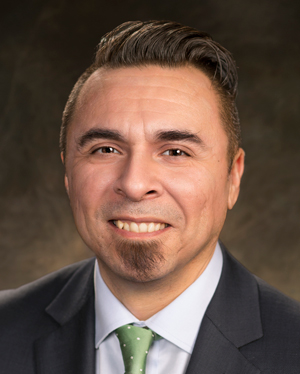
SACRAMENTO, CA (February 1, 2016) – The California Grocers Association is pleased to announce the hiring of Aaron Moreno, as Senior Director, State Government Relations, effective immediately.

AaronMoreno_color
Aaron Moreno

In this position, Moreno is responsible for advocating, managing and coordinating CGA’s state, regulatory and local government relations programs. He will develop and implement strategies to coordinate state and local policy priorities and engage pro-actively to identify emerging policy issues.

His duties will also include managing CGA’s external advocacy team and the Association’s PAC and IEC programs. Moreno will report to Keri Askew Bailey, senior vice president, Government Relations and Public Policy.

“Aaron has worked inside the State Capitol for the past 10 years and has strong relationships with key legislators,” said Bailey. “CGA continues to strengthen its advocacy program and Aaron’s extensive experience is a tremendous plus for the Association.”

Prior to joining CGA, Moreno was Legislative Director for California Assemblymember Mike Gatto and was responsible for the oversight of the legislator’s legislative package, as well as staffing individual pieces of legislation. He has also served as Legislative Director for Assemblymember Joe Canciamilla and a Legislative Assistant for both Assembly Majority Leader Charles Calderon and Assemblymember Canciamilla.

“Aaron is a seasoned veteran in the Capitol,” said Bailey. “His understanding of how the Legislature operates and his vast professional relationships with legislators and their staff will greatly enhance our government relations program.”

Contact information:

Aaron Moreno
California Grocers Association
1215 K Street, Suite 700
Sacramento, CA
E-Mail: [email protected]

Stater Bros. Appoints New President/CEO

Heading 2

Lorem ipsum dolor sit amet, consectetur adipisicing elit. Nostrum minus ea suscipit porro alias corporis libero at. Perferendis omnis, veniam nemo beatae vel? Tempora numquam a repellat eaque natus, magnam?

Heading 2

Lorem ipsum dolor sit amet, consectetur adipisicing elit. Autem ipsum mollitia neque, illum illo excepturi, eum incidunt fugit nostrum est, voluptate eaque minima corporis debitis at, dolores ipsam. Quaerat, dolores.

Heading 2

Lorem ipsum dolor sit amet, consectetur adipisicing elit. Autem ipsum mollitia neque, illum illo excepturi, eum incidunt fugit nostrum est, voluptate eaque minima corporis debitis at, dolores ipsam. Quaerat, dolores.

Heading 2

Lorem ipsum dolor sit amet, consectetur adipisicing elit. Autem ipsum mollitia neque, illum illo excepturi, eum incidunt fugit nostrum est, voluptate eaque minima corporis debitis at, dolores ipsam. Quaerat, dolores.

Heading 2

Lorem ipsum dolor sit amet, consectetur adipisicing elit. Autem ipsum mollitia neque, illum illo excepturi, eum incidunt fugit nostrum est, voluptate eaque minima corporis debitis at, dolores ipsam. Quaerat, dolores.

2016_VanHeldenPeteSan Bernardino, California (December 28, 2015) – Jack H. Brown, Executive Chairman of the Board  of Stater Bros. Markets, announced today that Pete Van Helden has been appointed President and Chief Executive Officer of Stater Bros. Markets effective January 4, 2016.

Brown has served Stater Bros. for the past 36 years as Chief Executive Officer and will become the Executive Chairman of the Board of Directors of Stater Bros. Markets. Van Helden will continue to report to Brown.

Van Helden is a 38-year veteran of the Supermarket Industry and has served Stater Bros. as President and Chief Operating Officer since 2013.

Prior to joining Stater Bros., Van Helden was Executive Vice President Retail Operations for Supervalu.   He began his career in the Supermarket Industry in 1977 working as a Courtesy Clerk for Rosauers in Libby, Montana.  In 1978, he relocated to Bozeman, Montana where he joined Albertsons as a Clerk.  During his 38-years in the Supermarket Industry, Pete has held a variety of leadership positions.

Pete holds a Bachelor of Science Degree in Business Administration from University of Phoenix.  He also serves as Vice President of Stater Bros. Charities.

“Pete is well-respected and will do an outstanding job as President and Chief Executive Officer,” stated Brown.

Stater Bros. was founded in 1936 in Yucaipa, California, and has grown steadily through the years to become the largest privately owned Supermarket Chain in Southern California and the largest private employer in both San Bernardino County and Riverside County.  The Company operates 168 Supermarkets, and there are over 18,000 members of the Stater Bros. Supermarket Family.  For more information, log onto staterbros.com.

Raley’s Exec Elected CGA Chair

Heading 2

Lorem ipsum dolor sit amet, consectetur adipisicing elit. Nostrum minus ea suscipit porro alias corporis libero at. Perferendis omnis, veniam nemo beatae vel? Tempora numquam a repellat eaque natus, magnam?

Heading 2

Lorem ipsum dolor sit amet, consectetur adipisicing elit. Autem ipsum mollitia neque, illum illo excepturi, eum incidunt fugit nostrum est, voluptate eaque minima corporis debitis at, dolores ipsam. Quaerat, dolores.

Heading 2

Lorem ipsum dolor sit amet, consectetur adipisicing elit. Autem ipsum mollitia neque, illum illo excepturi, eum incidunt fugit nostrum est, voluptate eaque minima corporis debitis at, dolores ipsam. Quaerat, dolores.

Heading 2

Lorem ipsum dolor sit amet, consectetur adipisicing elit. Autem ipsum mollitia neque, illum illo excepturi, eum incidunt fugit nostrum est, voluptate eaque minima corporis debitis at, dolores ipsam. Quaerat, dolores.

Heading 2

Lorem ipsum dolor sit amet, consectetur adipisicing elit. Autem ipsum mollitia neque, illum illo excepturi, eum incidunt fugit nostrum est, voluptate eaque minima corporis debitis at, dolores ipsam. Quaerat, dolores.

Grocery Executive To Serve One-Year Term As Chair.

SACRAMENTO, CA (Dec. 4, 2015) – Kevin Konkel, Senior Vice President, Store Operations, for Raley’s Family of Fine Stores was elected the 2015-2016 California Grocers Association Chairman of the Board of Directors at the Association’s Annual Meeting on Dec. 4, 2015.

konkelwebsiteAs Chair, Konkel will lead the Board’s strategy regarding CGA’s numerous legislative, educational, communications and industry-related programs. The Association is comprised of more than 300 retail companies operating more than 6,000 stores in California and Nevada. The chair serves for one year. He succeeds Immediate Past Chair Joe Falvey, Unified Grocers, Inc.

“Kevin is known in our industry not only as a stellar and experienced grocery executive, but also as a connector and facilitator,” says CGA President Ron Fong. “You are just as likely to find him meeting with a new industry start-up as you would running a strategy and marketing meeting with a roomful of industry veterans. We are fortunate to have him as our Chair this coming year.”

In addition to Konkel, the following individuals were elected to the 2015-2016 CGA Board of Directors Executive Committee: First Vice Chair, Diana Godfrey, Smart & Final Stores; Second Vice Chair, Jim Wallace, Albertsons Companies Inc.; Treasurer, Bob Parriott, Twain Harte Market; Secretary, Kendra Doyel, Ralphs Grocery Co.; and Immediate Past Chair, Joe Falvey, Unified Grocers, Inc.

Chairman’s appointments to the Executive Committee include: Dave Jones, Kellogg Company; Phil Miller, C&S Wholesale Grocers, Inc., and Kevin Arceneaux, Mondelez International Inc. Dennis Darling, Foods Etc., was appointed as a non-voting committee member.

Directors elected to their first full three-year term include: Denny Belcastro, Kimberly-Clark Corp.; Bob Bukovec, Tyson Foods, Inc.; Steve Dietz, Tony’s Fine Foods; Ryan Jost, Procter & Gamble; Michel LeClerc, Holiday/Sav-Mor Foods, Mark McLean, CROSSMARK; and Doug Todd, PepsiCo Inc.

Directors elected to their second three-year term include: Jon Alden, Jelly Belly Candy Co.; Renee Amen, Super A Foods, Inc.; Teresa Anaya, Northgate Gonzalez Markets; Joe Angulo, El Super (Bodega Latina Corp.); Eric Lindberg, Grocery Outlet, Inc.; David Madden, MillerCoors; Hee-Sook Nelson, Gelson’s Markets; and Bob Richardson, The Clorox Company.

Former CGA Chair Mary Kasper, Unified Grocers Inc., was elected an honorary board member.

Meat Industry, California could head to court over cancer warning labels

Heading 2

Lorem ipsum dolor sit amet, consectetur adipisicing elit. Nostrum minus ea suscipit porro alias corporis libero at. Perferendis omnis, veniam nemo beatae vel? Tempora numquam a repellat eaque natus, magnam?

Heading 2

Lorem ipsum dolor sit amet, consectetur adipisicing elit. Autem ipsum mollitia neque, illum illo excepturi, eum incidunt fugit nostrum est, voluptate eaque minima corporis debitis at, dolores ipsam. Quaerat, dolores.

Heading 2

Lorem ipsum dolor sit amet, consectetur adipisicing elit. Autem ipsum mollitia neque, illum illo excepturi, eum incidunt fugit nostrum est, voluptate eaque minima corporis debitis at, dolores ipsam. Quaerat, dolores.

Heading 2

Lorem ipsum dolor sit amet, consectetur adipisicing elit. Autem ipsum mollitia neque, illum illo excepturi, eum incidunt fugit nostrum est, voluptate eaque minima corporis debitis at, dolores ipsam. Quaerat, dolores.

Heading 2

Lorem ipsum dolor sit amet, consectetur adipisicing elit. Autem ipsum mollitia neque, illum illo excepturi, eum incidunt fugit nostrum est, voluptate eaque minima corporis debitis at, dolores ipsam. Quaerat, dolores.

Reprinted from The Sacramento Bee (11/6/2015)

The recent finding by an international panel that eating processed meat increases the risk of cancer could trigger warning labels under California law and a legal battle by meat producers and their trade groups to avoid the requirement.

California is one of the country’s largest producers and consumers of meat, and the meat industry is likely to fight any effort by the state to label its products under Proposition 65. That law, approved by the state’s voters three decades ago, requires warnings about products that contain substances known to cause cancer.

“I expect to see a lot of activity from the meat industry about that process,” said Patty Lovera, assistant director of Food and Water Watch, a consumer watchdog group. “They’ll beat it down in the court of public opinion.”

Industry advocates and legal experts anticipate that the meat producers will try to cast doubt on the findings or downplay their significance and could take California to court over the labeling requirements.

“We may have to,” said Janet Riley, senior vice president for public affairs at the North American Meat Institute, the industry’s trade association. “The level of reaction is not proportional to the level of threat.”

California’s Office of Environmental Health Hazard Assessment, the agency that enforces Proposition 65, relies heavily on the World Health Organization’s International Agency for Research on Cancer for guidance on what to list and label as carcinogenic. In California, the body’s research is considered as authoritative as that of the U.S. Environmental Protection Agency and the U.S. Food and Drug Administration.

The agency has added about 800 chemicals to the list since it was first published in 1987. Once a substance is listed, businesses with 10 or more employees have a year to comply with its labeling requirements.

Based on hundreds of studies, the international panel last month added bacon, sausage, ham, hot dogs and other processed meats to its list of Group I carcinogens, which include tobacco and asbestos. However, the panel emphasized that the classification of processed meats in that category did not mean the danger was equal to that of those substances.

The panel also classified red meat as “probably carcinogenic” based on “limited evidence” showing a relationship between its consumption and colon cancer. Red meat includes beef, pork, veal and lamb.

The panel also cautioned that the cancer risk from meat consumption was relatively low compared with smoking and excessive drinking, and it acknowledged that meat has known health benefits.

Critics of Proposition 65, which passed in 1986, have argued for years that its public benefits are limited because it gives consumers little context or comparison of relative risk. A warning typically only states that the product in question contains chemicals or substances known by the state to cause cancer.

“It doesn’t tell them what the risk is,” said Karyn Schmidt, senior director for regulatory and technical affairs at the American Chemistry Council, a trade group in Washington. “People don’t know how much they can eat.”

Groups that support Proposition 65, however, say products should be labeled so consumers can choose whether to accept the risk of exposure to carcinogens and if not, choose other products instead.

“The solution to that problem isn’t to label less,” said Stephanie Feldstein, population and sustainability director at the Center for Biological Diversity, an environmental group. “It’s to have better products.”

California’s environmental health office will now consider the World Health Organization’s findings. Allan Hirsch, the California agency’s chief deputy director, said the next step would be to formally notify the public of its intent to list processed meat and red meat as carcinogens, and a public comment period would follow.

Groups on both sides anticipate that the meat industry will attempt to discredit the science of the panel’s research in a bid to head off a listing. But it could be tough to dissuade the state agency from disregarding a report from an international body whose work it considers highly persuasive.

“It would be an uphill battle for the industry to contest this on the science,” said Laura MacCleery, regulatory affairs attorney for the Center for Science in the Public Interest.

Meat producers might have better luck arguing that federal law pre-empts Proposition 65. The U.S. Department of Agriculture regulates meat labeling, and courts have struck down state laws when they have come in conflict with federal requirements, though not always.

Bill Lockyer, who was California’s attorney general from 1999 to 2007, said he doesn’t think federal law would bar warning labels under Proposition 65.

“Pre-emption is regularly asserted, and usually rejected by a court,” he said. “For most areas like this, we have independent regulatory authority.”

In 2004, Lockyer sued manufacturers of canned tuna to require Proposition 65 labels warning of mercury in the fish. The industry argued that federal law pre-empted California’s, and lower courts initially agreed. A state appellate court ruled in 2009 that pre-emption didn’t apply, but it sided with the tuna producers for other reasons.

“I still, to this day, think we were right,” Lockyer said.

The court said that tuna didn’t have to be labeled under California law for two reasons: First, that the levels of mercury in the fish didn’t rise to the threshold that would trigger the labeling requirement, and second, that the mercury occurred naturally in the fish, rather than something added by the manufacturer.

Lockyer said those might be better arguments for meat producers.

Industry groups may also leverage any potential process on listing meat products under Proposition 65 to change a law they’ve often criticized. Efforts to reform the law have the support of Gov. Jerry Brown and Attorney General Kamala Harris.

Supporters of the law, however, said it protects consumers.

“I think consumers would benefit from having information on the package,” said MacCleery of the Center for Science in the Public Interest.

Next California plastic bag initiative is tricky strategy by out-of-state interests

Heading 2

Lorem ipsum dolor sit amet, consectetur adipisicing elit. Nostrum minus ea suscipit porro alias corporis libero at. Perferendis omnis, veniam nemo beatae vel? Tempora numquam a repellat eaque natus, magnam?

Heading 2

Lorem ipsum dolor sit amet, consectetur adipisicing elit. Autem ipsum mollitia neque, illum illo excepturi, eum incidunt fugit nostrum est, voluptate eaque minima corporis debitis at, dolores ipsam. Quaerat, dolores.

Heading 2

Lorem ipsum dolor sit amet, consectetur adipisicing elit. Autem ipsum mollitia neque, illum illo excepturi, eum incidunt fugit nostrum est, voluptate eaque minima corporis debitis at, dolores ipsam. Quaerat, dolores.

Heading 2

Lorem ipsum dolor sit amet, consectetur adipisicing elit. Autem ipsum mollitia neque, illum illo excepturi, eum incidunt fugit nostrum est, voluptate eaque minima corporis debitis at, dolores ipsam. Quaerat, dolores.

Heading 2

Lorem ipsum dolor sit amet, consectetur adipisicing elit. Autem ipsum mollitia neque, illum illo excepturi, eum incidunt fugit nostrum est, voluptate eaque minima corporis debitis at, dolores ipsam. Quaerat, dolores.

Reprinted from San Jose Mercury News (11/3/2015)

by Jessica Calefati

SACRAMENTO — Next year’s election is still more than a year away, but the battle over California’s landmark ban of single-use plastic bags is already shaping up to be the most costly, high-profile fight over litter and recycling the state has seen in three decades.

Out-of-state bag makers leading the campaign to repeal a 2014 law banning their product spent $3 million on signature gathering alone — and in a surprise move recently filed another initiative on the same topic, a highly unusual strategy that appears to be the political equivalent of a trick play in football.

If voters validate the law next year, grocers will begin encouraging customers to use reusable bags by charging them at least 10 cents for every paper or thicker plastic bag they take at checkout. The new measure — expected to easily qualify for the ballot because bag makers can afford to pay signature gatherers — would force grocers to deposit those fees into an account for environmental improvement projects.

More money for drought mitigation, wetlands restoration and beach cleanup surely sounds appealing, but don’t be fooled, initiative experts say. Bag makers are promoting the Environmental Fee Protection Act in this business-versus-business fight to make Californians’ heads spin and perhaps entice grocers to spend money fighting the measure rather than opposing the referendum — not to help the environment, experts say.

“Voters faced with too many choices get confused, and confused voters tend to vote no on everything,” said John Matsusaka, executive director of the Initiative and Referendum Institute at the University of Southern California. “In this case, that’s exactly what the proponents of the referendum want.”

Grocers and environmental activists were on opposite sides of the epic fight in the 1980s to pass California’s “bottle bill,” which reduces litter and encourages recycling by requiring deposits on beverage containers. But they worked together last year to get Senate Bill 270 signed into law after a dozen failed attempts to pass similar legislation.

Frustrated by the patchwork of local bag bans that already cover a third of the state’s population, grocers supported the legislation because it creates a uniform statewide policy on carryout bags. Environmentalists liked it because it promises to wipe out a noxious form of litter that kills marine life.

But plastic bag makers, who stand to lose as much as $150 million annually in sales of their product to California retailers, refused to back down. They accused environmental advocates of exaggerating the harm done by plastic bags and called grocers greedy because they would pocket the 10-cent fees, even though the savings for grocers could be passed onto consumers.

The new law never took effect after the bag makers paid signature gatherers to put the issue on the ballot. Regardless of the outcome, the referendum has no impact on local ordinances.

Members of the American Progressive Bag Alliance — a coalition of bag manufacturers led by South Carolina-based industry giant Hilex Poly — declined to answer this newspaper’s questions about the group’s strategy or the impact the new initiative might have on the referendum campaign.

In a statement released last month, the group’s executive director, Lee Califf, said the alliance is proud to give Californians the chance to overturn a deeply flawed law that threatens jobs and provides “negligible environmental benefit.” At the very least, the statement said, the group wants to ensure that the bag fees are dedicated to helping the environment.

Filing an initiative whose topic matches one that’s already on the ballot is a classic strategy that is often used to create confusion. In recent years, voters have been asked to navigate competing income-tax measures (Propositions 30 and 38 in 2012) and competing redistricting measures (Propositions 20 and 27 in 2010).

What’s so unusual about the bag makers’ strategy is their commitment to support both the referendum campaign and a counter “poison pill” proposal that would take effect only if the referendum fails. Matsusaka said he’s never seen anything like it before.

Environmental activists trying to protect the bag ban say they’re dismayed.

“Bag makers are trying to goad retailers who support the bag ban into spending money against this initiative,” said Mark Murray, executive director of Californians Against Waste. “I was shocked by the audacity of this cynical, political move.”

The California Grocers Association insists that it backed SB270 to establish a uniform statewide bag policy, regardless of potential cost or revenue, said Dave Heylen, a spokesman for the group. And while the group hasn’t yet taken a position on the initiative, the grocers remain supportive of the bag ban, he added.

Bag makers’ insistence that the ban is a “cash grab” for grocers who supported the legislation because of the bag fees is a fallacy, said Murray, whose group also led the campaign for the bottle bill.

If the contested legislation takes effect, retailers that operate in cities not already covered by local bag bans will save $150 million annually on the plastic grocery bags they no longer need to purchase and distribute to customers for free, U.S. Environmental Protection Agency data shows. The allure of those savings is a bigger draw than having the $40 million grocers spend annually on paper bags covered in part by customer fees, Murray said.

Despite the likelihood that they’ll be badly outspent by the American Progressive Bag Alliance — likely by tens of millions of dollars — environmental advocates are confident they’ll prevail in the Battle of the Bags.

“Bag makers will spend big to try to buy this election, but in the end common sense will override this polluting industry’s vast expenditures,” said Kathryn Phillips, executive director of Sierra Club California. “The logic is simple. Californians aren’t going to let an out-of-state interest harm their environment.”