CGA Issues Statement on Passage of Prop. 67

Heading 2

Lorem ipsum dolor sit amet, consectetur adipisicing elit. Nostrum minus ea suscipit porro alias corporis libero at. Perferendis omnis, veniam nemo beatae vel? Tempora numquam a repellat eaque natus, magnam?

Heading 2

Lorem ipsum dolor sit amet, consectetur adipisicing elit. Autem ipsum mollitia neque, illum illo excepturi, eum incidunt fugit nostrum est, voluptate eaque minima corporis debitis at, dolores ipsam. Quaerat, dolores.

Heading 2

Lorem ipsum dolor sit amet, consectetur adipisicing elit. Autem ipsum mollitia neque, illum illo excepturi, eum incidunt fugit nostrum est, voluptate eaque minima corporis debitis at, dolores ipsam. Quaerat, dolores.

Heading 2

Lorem ipsum dolor sit amet, consectetur adipisicing elit. Autem ipsum mollitia neque, illum illo excepturi, eum incidunt fugit nostrum est, voluptate eaque minima corporis debitis at, dolores ipsam. Quaerat, dolores.

Heading 2

Lorem ipsum dolor sit amet, consectetur adipisicing elit. Autem ipsum mollitia neque, illum illo excepturi, eum incidunt fugit nostrum est, voluptate eaque minima corporis debitis at, dolores ipsam. Quaerat, dolores.

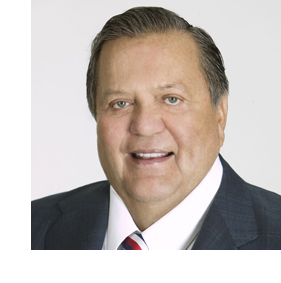
Following the passage of Proposition 67 and the defeat of Proposition 65, CGA President and CEO Ron Fong issued the following statement:

“The passage of Prop. 67 is a win for both business and the environment. California’s grocers have been proud to stand with Senators Kevin DeLeon, Ricardo Lara, and Secretary of State Alex Padilla, who authored the groundbreaking SB 270 which banned the use of single-use plastic bags in California. We are pleased that California voters saw through the smokescreen of out of state interests and upheld this important law.”

Related Articles:

Editorial: Approve the plastic bag ban despite unconscionable ads

Heading 2

Lorem ipsum dolor sit amet, consectetur adipisicing elit. Nostrum minus ea suscipit porro alias corporis libero at. Perferendis omnis, veniam nemo beatae vel? Tempora numquam a repellat eaque natus, magnam?

Heading 2

Lorem ipsum dolor sit amet, consectetur adipisicing elit. Autem ipsum mollitia neque, illum illo excepturi, eum incidunt fugit nostrum est, voluptate eaque minima corporis debitis at, dolores ipsam. Quaerat, dolores.

Heading 2

Lorem ipsum dolor sit amet, consectetur adipisicing elit. Autem ipsum mollitia neque, illum illo excepturi, eum incidunt fugit nostrum est, voluptate eaque minima corporis debitis at, dolores ipsam. Quaerat, dolores.

Heading 2

Lorem ipsum dolor sit amet, consectetur adipisicing elit. Autem ipsum mollitia neque, illum illo excepturi, eum incidunt fugit nostrum est, voluptate eaque minima corporis debitis at, dolores ipsam. Quaerat, dolores.

Heading 2

Lorem ipsum dolor sit amet, consectetur adipisicing elit. Autem ipsum mollitia neque, illum illo excepturi, eum incidunt fugit nostrum est, voluptate eaque minima corporis debitis at, dolores ipsam. Quaerat, dolores.

Editorial Board
San Jose Mercury News
November 3, 2016

The two plastic bags propositions on the California ballot were confusing enough for voters before misleading advertisements started flooding the airwaves. Ignore them.

Here is all you need to know:

Proposition 67 upholds the statewide ban on one-time plastic bag use that the Legislature passed. Vote “yes.” Plastic bags are awful for wildlife and the environment, and California state, county and local governments spend an estimated $400 million — roughly $10 per resident — every year trying to clean them up.

Proposition 65 would require proceeds of grocery store sales of paper bags to go to a wildlife fund. It sounds attractive, but there are sound reasons why even environmental groups are united in opposing Prop. 65. Vote “no.”

First, on the ban itself — California voters need to know that 98 percent of the millions of dollars spent on advertising against the plastic bag ban comes from out-of-state manufacturers. The biggest contribution of $2.7 million comes from Hilex Plastics of South Carolina. Two Texas manufacturers and a New Jersey bag maker have tossed in about $1 million apiece to promote their misleading campaign.

Small wonder. Every Californian, on average, uses about 400 plastic bags a year, reportedly creating a $1 million a month profit for plastic bag manufacturers. They’re desperate to kill the proposed ban before it spreads to other states.

The industry is arguing that a ban won’t reduce waste or litter. Now that’s garbage.

San Jose banned plastic bags in 2012 and reports 59 percent fewer plastic bags on city streets and a 60 percent reduction in its creeks. For a city with budget challenges, the cost savings for cleanups, including clearing clogged storm drains, is substantial.

Hate litter on freeways and rural roads? Don’t we all. Take a look sometime at what’s there. Those white bags are easy to pick out even on the rare occasion traffic is moving at the speed limit.

Meanwhile, volunteers picked up 1.3 million plastic bags on just one recent Coastal Cleanup Day. The damage those bags wreak is heartbreaking. Plastic accounts for 60-80 percent of all marine debris and harms and kills wildlife in devastating numbers.

Gov. Jerry Brown acknowledged that destruction when he signed a 2014 law banning plastic bags statewide. But the plastic bag manufacturers collected enough signatures to put Propositions 67 and 65 on the 2016 ballot, delaying implementation of the law.

Their motive for Prop. 65 is just craven. It is, as we’ve said before, one of the most disingenuous ballot measures in state history. And in California, that’s saying something.

The plastic bag industry targets the bag ban’s provision that grocers can charge 10 cents for each paper bag when shoppers don’t bring their reusable bags. The industry says that’s a “special interest giveaway,” and the money should go to a special wildlife fund. Here’s why that’s wrong.

Sen. Kevin de Leon led the effort to enact a statewide ban, and he included the provision so grocery stores would be able to recoup the expense of providing paper bags. Profits from those bags are negligible.

Wildlife supporters obviously agree. The Sierra Club, The Nature Conservancy, Save Our Shores, the Surfrider Foundation and a host of other environmental groups strongly oppose Prop. 65. Grocery stores have supported the bag ban partly because they wouldn’t lose money on the deal. To their credit, they still support the ban, which makes the plastics industry plot all the more disgusting.

Don’t let out-of-state plastic bag manufacturers stop California from ridding itself of billions of bags that clog our drains, fill our landfills and pollute our waterways.

Vote “yes” on Prop. 67 and “no” on Prop. 65.

Read Editorial here.

S.F. Chronicle Recommends: Yes on Prop. 67, No on Prop. 65

Heading 2

Lorem ipsum dolor sit amet, consectetur adipisicing elit. Nostrum minus ea suscipit porro alias corporis libero at. Perferendis omnis, veniam nemo beatae vel? Tempora numquam a repellat eaque natus, magnam?

Heading 2

Lorem ipsum dolor sit amet, consectetur adipisicing elit. Autem ipsum mollitia neque, illum illo excepturi, eum incidunt fugit nostrum est, voluptate eaque minima corporis debitis at, dolores ipsam. Quaerat, dolores.

Heading 2

Lorem ipsum dolor sit amet, consectetur adipisicing elit. Autem ipsum mollitia neque, illum illo excepturi, eum incidunt fugit nostrum est, voluptate eaque minima corporis debitis at, dolores ipsam. Quaerat, dolores.

Heading 2

Lorem ipsum dolor sit amet, consectetur adipisicing elit. Autem ipsum mollitia neque, illum illo excepturi, eum incidunt fugit nostrum est, voluptate eaque minima corporis debitis at, dolores ipsam. Quaerat, dolores.

Heading 2

Lorem ipsum dolor sit amet, consectetur adipisicing elit. Autem ipsum mollitia neque, illum illo excepturi, eum incidunt fugit nostrum est, voluptate eaque minima corporis debitis at, dolores ipsam. Quaerat, dolores.

San Francisco Chronicle
August 26, 2016

Nine years ago, San Francisco banned plastic shopping bags and set off a movement that’s led nearly half the state and its biggest cities to do the same. Skipping the bags at checkout was a hassle at first, but now folks don’t seem to miss the throwaway sacks on a grocery trip.

With so many shoppers adapting to the change, Sacramento passed a statewide ban roping in the rest of California two years ago. But that move is on hold due to the well-funded interest of a handful of bag makers.

They’re spending $5 million to push a confusing double play on the state ballot. Proposition 67 is a referendum on the law, with a “yes” keeping the ban and a “no” vote dumping it. But the industry is clouding the picture further with Proposition 65, which requires that proceeds from a 10-cent paper bag fee go to environmental causes.

Voters shouldn’t be fooled by what’s at stake. In a world doused with everlasting plastic, grocery store bags play a harmful role, winding up on beaches, parks and trees, choking fish and wildlife and even clogging recycling machines. Cutting down usage, especially when cloth or paper bags can be swapped in, makes sense.

Bag makers — in this case four major out-of-state manufacturers — are clearly spooked. If California sticks with banning food-store bags, then other states will join the cause, the industry worries. Also, as consumers grow mindful of the long-term effects of plastic on the environment, the material will be scrutinized and regulated in ways that manufacturers can’t control.

The second measure, Prop. 65, proposes to redirect any proceeds from sales of paper bags that customers buy as a substitute for plastic sacks. Bag makers argue that supermarkets are profiting unfairly from selling paper bags. But the statewide grocers association says the dime-per-bag charge covers their costs, with little left over. The measure plays on phony fears to discredit the overall plastic ban. Major environmental groups are shunning Prop. 65.

Both at the local level and in Sacramento, California has made the right decision on stopping a throwaway habit. Only a special-interest group of plastic bag makers would benefit from turning back the clock. Vote no on Prop. 65 and yes on Prop. 67.

CGA Exec Elected to CSU Foundation Board

Heading 2

Lorem ipsum dolor sit amet, consectetur adipisicing elit. Nostrum minus ea suscipit porro alias corporis libero at. Perferendis omnis, veniam nemo beatae vel? Tempora numquam a repellat eaque natus, magnam?

Heading 2

Lorem ipsum dolor sit amet, consectetur adipisicing elit. Autem ipsum mollitia neque, illum illo excepturi, eum incidunt fugit nostrum est, voluptate eaque minima corporis debitis at, dolores ipsam. Quaerat, dolores.

Heading 2

Lorem ipsum dolor sit amet, consectetur adipisicing elit. Autem ipsum mollitia neque, illum illo excepturi, eum incidunt fugit nostrum est, voluptate eaque minima corporis debitis at, dolores ipsam. Quaerat, dolores.

Heading 2

Lorem ipsum dolor sit amet, consectetur adipisicing elit. Autem ipsum mollitia neque, illum illo excepturi, eum incidunt fugit nostrum est, voluptate eaque minima corporis debitis at, dolores ipsam. Quaerat, dolores.

Heading 2

Lorem ipsum dolor sit amet, consectetur adipisicing elit. Autem ipsum mollitia neque, illum illo excepturi, eum incidunt fugit nostrum est, voluptate eaque minima corporis debitis at, dolores ipsam. Quaerat, dolores.

ronfongCalifornia Grocers Association President and Chief Executive Officer Ronald Fong was recently elected to The California State University Foundation Board of Governors.

“We are honored to welcome Ronald Fong to our foundation team,” said CSU Board of Governors Chair Ronald Barhorst. “He has an exceptional history of leadership and will bring a valuable business perspective to the board. We look forward to his insight as we continue to grow our endowment to serve the CSU and the state of California.”

The CSU Board of Governors oversees the CSU Foundation: the university’s central foundation that aims to strengthen the financial capacity of the CSU and broaden access to a high quality education. The Board represents a cross-section of business, community, cultural and educational leaders with a shared commitment to uphold and advance the mission and goals of the university.

“This is a tremendous honor,” said Fong of his election. “I am a proud alumni of the CSU system and hold a unique perspective on understanding both the food business and the university’s mission. I look forward to contributing to the Board and helping to guide the Foundation. Because of the success of our own very successful Foundation, I can forsee symmetries and partnerships between the two organizations”.

In 2008, Fong was named President and CEO of the California Grocers Association and the CGA Educational Foundation. During his tenure, he has guided the successful merger of the California Independent Grocers Association into CGA; strengthened the Association’s government relations program; directed the purchase of a new office building in downtown Sacramento; and oversaw the development and completion of an Association reserve fund. In 2015, Fong received the Donald H. McManus Award from the Food Marketing Institute, the highest recognition for a state grocery association executive.

Editorial: Make California bag ban permanent

Heading 2

Lorem ipsum dolor sit amet, consectetur adipisicing elit. Nostrum minus ea suscipit porro alias corporis libero at. Perferendis omnis, veniam nemo beatae vel? Tempora numquam a repellat eaque natus, magnam?

Heading 2

Lorem ipsum dolor sit amet, consectetur adipisicing elit. Autem ipsum mollitia neque, illum illo excepturi, eum incidunt fugit nostrum est, voluptate eaque minima corporis debitis at, dolores ipsam. Quaerat, dolores.

Heading 2

Lorem ipsum dolor sit amet, consectetur adipisicing elit. Autem ipsum mollitia neque, illum illo excepturi, eum incidunt fugit nostrum est, voluptate eaque minima corporis debitis at, dolores ipsam. Quaerat, dolores.

Heading 2

Lorem ipsum dolor sit amet, consectetur adipisicing elit. Autem ipsum mollitia neque, illum illo excepturi, eum incidunt fugit nostrum est, voluptate eaque minima corporis debitis at, dolores ipsam. Quaerat, dolores.

Heading 2

Lorem ipsum dolor sit amet, consectetur adipisicing elit. Autem ipsum mollitia neque, illum illo excepturi, eum incidunt fugit nostrum est, voluptate eaque minima corporis debitis at, dolores ipsam. Quaerat, dolores.

From East Bay Times (7/20/2016)

It’s a shame that Californians are having to vote on two plastic bag ballot measures — Propositions 65 and 67 — that should have been tossed in the garbage long ago.

Both represent the plastics industry’s efforts to undo the state’s first-in-the-nation plastic bag ban. Don’t fall for their twisted logic. Vote yes on Proposition 67 upholding the ban on plastic bags. Vote no on Proposition 65, which would require grocery stores to direct proceeds from paper bag sales toward an environmental fund.

Proposition 65 deserves consideration as one the most disingenuous ballot measures in state history. It’s crucial that California voters understand that key environmental groups oppose Proposition 65, even though it could supply millions of dollars for some of their pet causes. That’s how bad it is.

They know the real intent by the plastics industry is to entice grocers to give up their support for the overall ban. The law as written by the Legislature and signed by Gov. Jerry Brown allows grocers to keep the money from sales of paper bags to help offset the extra costs they incur from the ban.

“Bag makers will spend big to try to buy this election, but in the end common sense will override this polluting industry’s vast expenditures,” said Kathryn Phillips, executive director of Sierra Club California.

The plastics industry will argue that rather than ban plastic bags, they should be recycled instead. We tried that. Despite the state’s green reputation, Californians recycled only 3 percent of them, meaning an estimated 15 billion were sent to landfills, or worse, scattered throughout our highways, streams, beaches and neighborhoods. Taxpayers spend an estimated $400 million trying to prevent litter from polluting our waterways, and plastic bags are one of the worst culprits.

Bag bans work. San Jose conducted a study before and after it enacted a citywide plastic bag ban, and it showed that trash had been reduced by an eye-popping 59 percent on city streets, 89 percent in storm drains and 60 percent in creeks.

Opponents of the ban argue that manufacturing plastic bags takes less energy than paper bags. But they fail to mention that the billions of plastic bags require more than 2 million barrels of oil in the manufacturing process.

More than 115 cities and counties, including San Jose, San Francisco and Los Angeles already have ordinances. They deserve credit for having the vision and courage to prove they work. But a statewide ban is far preferable and more effective.

California can re-establish its claim as a national environmental leader. Vote yes on Proposition 67 upholding the ban on plastic bags and no on Proposition 65’s misguided effort to direct proceeds from paper bag sales.

San Diego Approves Plastic Bag Ban

Heading 2

Lorem ipsum dolor sit amet, consectetur adipisicing elit. Nostrum minus ea suscipit porro alias corporis libero at. Perferendis omnis, veniam nemo beatae vel? Tempora numquam a repellat eaque natus, magnam?

Heading 2

Lorem ipsum dolor sit amet, consectetur adipisicing elit. Autem ipsum mollitia neque, illum illo excepturi, eum incidunt fugit nostrum est, voluptate eaque minima corporis debitis at, dolores ipsam. Quaerat, dolores.

Heading 2

Lorem ipsum dolor sit amet, consectetur adipisicing elit. Autem ipsum mollitia neque, illum illo excepturi, eum incidunt fugit nostrum est, voluptate eaque minima corporis debitis at, dolores ipsam. Quaerat, dolores.

Heading 2

Lorem ipsum dolor sit amet, consectetur adipisicing elit. Autem ipsum mollitia neque, illum illo excepturi, eum incidunt fugit nostrum est, voluptate eaque minima corporis debitis at, dolores ipsam. Quaerat, dolores.

Heading 2

Lorem ipsum dolor sit amet, consectetur adipisicing elit. Autem ipsum mollitia neque, illum illo excepturi, eum incidunt fugit nostrum est, voluptate eaque minima corporis debitis at, dolores ipsam. Quaerat, dolores.

Reprinted from the San Diego Union-Tribune (7/19/16)

City is 150th municipality in California to eliminate single-use plastic bags in certain stores, food retailers

The San Diego City Council on Tuesday voted 6-3 to ban single-use plastic bags at large grocery stores, pharmacies and corner markets — becoming one of the last major cities in California to limit the disposable products.

“Citizen across the state have demonstrated the ability to transition to more sustainable, reusable bags, and I’m confident that the citizens of San Diego will quickly adopt this beneficial practice,” City Council President Sherri Lightner said during the council’s afternoon meeting.

“I strongly believe that now is the time to demonstrate local leadership on this issue and make a clear statement that we value our environment,” she added.

Mayor Kevin Faulconer said he plans to sign the ordinance, which would make San Diego the 150th municipality in California with a ban on plastic checkout bags, which often end up in landfills or as litter in storm drains, rivers, canyons and beaches.

Councilmen Mark Kersey, Scott Sherman and Chris Cate voted in opposition, citing broad concerns about local government overreach.

“All this trash, all this litter was put there by somebody or carelessly left behind because they were too lazy to haul this stuff home,” Sherman said at the meeting. “We need to start dealing with those laws that are on the books, the littering, the dumping, and making those fines and those penalties so people think twice.”

A second reading of the ordinance is expected within a few weeks. Once finalized, the rules would give large food stores about six months to comply and approximately a year for smaller drug and convenience stores.

The proposed ban drew wide support from the audience in council chambers Tuesday, which included advocacy organizations such as the Surfrider Foundation’s San Diego County chapter and San Diego Coastkeeper to business-minded groups such as the San Diego Regional Chamber of Commerce and the Equinox Project.

“The vast majority of plastic bags we see are entangled in the brushes next to our rivers and streams,” said Kristin Kuhn, community engagement manager for Coastkeeper. “After every rain event, these bags clog and choke our city’s already damaged waterways.”

The stated goal of the new ordinance is to encourage shoppers to bring their own reusable sacks in order to decrease the roughly 700 million plastic checkout bags distributed locally every year. Only 3 percent of those bags are recycled, according to the city.

Like most plastic-bag bans in the state, San Diego’s policy requires grocery stores and other food retailers to charge at least 10 cents for each paper bag or for a sturdier reusable bag, which often costs considerably more.

“Stakeholders have worked tirelessly with local jurisdictions throughout the state to find a solution that makes sense for both the environment and businesses,” Sophie Barnhorst, policy coordinator for the chamber of commerce, said at the council meeting. “A ban on plastic and a charge for paper has the potential to achieve maximal environment gain with minimal business disruption.”

The city’s policy comes a few months ahead of a referendum vote in this fall’s general election on whether to uphold a statewide prohibition on single-use checkout bags.

After California in 2014 passed the nation’s only statewide ban on such products, the plastics industry launched a signature drive to overturn the law, criticizing it as a tax on shoppers and an ineffective way to fight pollution.

The American Progressive Bag Alliance has raised more than $6.4 million — funded largely by out-of-state bag manufacturers — to overturn the statewide ban in November. If that ban is voided, the municipal ones — including San Diego’s — would remain in place.

“Like other local bag ordinances in California, this law will do nothing to benefit the environment or residents while letting grocers make millions annually in new bag fees,” said Lee Califf, executive director of the bag alliance.

Bag manufacturers also have spearheaded another ballot measure this fall that would require stores to redirect money from bag sales to a fund administered by the Wildlife Conservation Board. The bag fees are estimated to bring in tens of millions of dollars annually, according to the Independent Legislative Analyst’s Office.

“While San Diego residents should have been given the opportunity to vote to repeal the bag ban, they will still be able to vote in November to allow their local government to redirect bag fees to the environment,” Califf said.

Supporters of eliminating single-use plastic bags see the San Diego council’s vote as a boon for the campaign to uphold the statewide ban.

“Polling has shown that people already living under a ban are more likely to support the statewide effort because they realize that it’s not that big of a deal,” said Genevieve Abedon, waste prevention campaign coordinator with Californians Against Waste, which is part of a coalition that has raised about $1.6 million to defeat the overturn referendum.

San Diego officials said based on statistics from the county of Los Angeles, which adopted its ban in 2010, customers will eventually bring their own reusable bags for about 65 percent of purchases at grocery stores and other retailers — eliminating about 95 percent of all single-use plastic bags distributed in the city.

San Diego stores subject to the new ordinance could be forced to pay up to $2,500 for each day they’re not in compliance. In addition, they would have to track for three years the number of paper bags they provide to customers each month and provide that data to the city upon request.

The city’s ban doesn’t extend to smaller disposable bags used for meat, produce and other loose perishable items. Restaurants and department stores also aren’t covered by the measure.

In anticipation of the ordinance, San Diego has distributed about 40,000 reusable shopping bags, focusing on low-income neighborhoods, food banks, schools and libraries, according to city officials.

San Diego’s ban requires that paper bags be provided for free to customers who are receiving government food assistance, including through the California Special Supplemental Food Program for Women, Infants and Children.

In this region, Solana Beach, Encinitas and Del Mar had passed similar bans. Oceanside is poised to vote on such a measure as early as next month.

About 40 percent of Californians now live in areas with some type of restriction on plastic bags, including Long Beach, San Jose, Sacramento and Oakland, as well as San Francisco, the city that led the push against single-use bags in 2007.

Last year, Huntington Beach became the only city in the state so far to repeal a plastic-bag ban — after its elected leaders and many residents expressed concerns over government overreach.

House Passes GMO Labeling Bill

Heading 2

Lorem ipsum dolor sit amet, consectetur adipisicing elit. Nostrum minus ea suscipit porro alias corporis libero at. Perferendis omnis, veniam nemo beatae vel? Tempora numquam a repellat eaque natus, magnam?

Heading 2

Lorem ipsum dolor sit amet, consectetur adipisicing elit. Autem ipsum mollitia neque, illum illo excepturi, eum incidunt fugit nostrum est, voluptate eaque minima corporis debitis at, dolores ipsam. Quaerat, dolores.

Heading 2

Lorem ipsum dolor sit amet, consectetur adipisicing elit. Autem ipsum mollitia neque, illum illo excepturi, eum incidunt fugit nostrum est, voluptate eaque minima corporis debitis at, dolores ipsam. Quaerat, dolores.

Heading 2

Lorem ipsum dolor sit amet, consectetur adipisicing elit. Autem ipsum mollitia neque, illum illo excepturi, eum incidunt fugit nostrum est, voluptate eaque minima corporis debitis at, dolores ipsam. Quaerat, dolores.

Heading 2

Lorem ipsum dolor sit amet, consectetur adipisicing elit. Autem ipsum mollitia neque, illum illo excepturi, eum incidunt fugit nostrum est, voluptate eaque minima corporis debitis at, dolores ipsam. Quaerat, dolores.

The U.S. of Representatives on July 14, 2016, passed the Senate GMO compromise bill by a bipartisan vote of 306-117. This legislation will crate a national standard for labelling foods with ingredients derived though biotechnology.
The bill will now be sent to the President to be signed into law, and the White House has stated publically that the President will sign the measure.

National Grocers Association Response:

“This bill offers the needed certainty for stakeholders throughout the food supply chain, and more importantly for consumers. We appreciate the House for its swift action to pass this bill and are especially grateful for the leadership provided by Chairman Conaway and Roberts, Ranking Members Peterson and Stabenow, and Congressmen Pompeo and Butterfield who all worked to advance a common sense, bipartisan solution,” said NGA President and CEO Peter J. Larkin. “I’d also like to thank our members for their engagement in the political process, which resulted in thousands of calls and letters sent to Capitol Hill.”

Food Marketing Institute Response:

“Today, the House of Representatives agreed that a national labeling standard is critical to U.S. grocery shoppers’ desire to seek out consistent, accurate information regarding product ingredients. FMI’s consumer trends data indicate food retail customers are confident in the safety of the food they buy in their local supermarkets, but are also increasingly interested in the origins and ingredients of their food. This legislation avoids the consumer confusion and crippling limitations to interstate commerce that already are erupting under the current Vermont law and would be multiplied further by a developing patchwork of differing and therefore confusing state GMO labeling laws.  One single national labeling standard circumvents all disadvantages that a multitude of conflicting state GMO labeling laws would inevitably create.

“This legislation eliminates the need for warehouses to segregate food product based on varying state requirements and allows small business owners to continue sourcing the variety of products their customers want to buy.

“The grocery industry welcomes this historic legislation that will both set a precedent for clarity in commerce and open up new avenues for providing food shoppers access to the information they want about the foods they enjoy and in the manner that is most convenient for them to access it. Every vote today was a vote in support of consumer confidence in the food supply.”

“FMI commends the House approval of this important GMO labeling legislation and we urge President Obama to sign this needed bill into law as expediently as possible. FMI and its member companies join with our partners in the Coalition for Safe Affordable Food to praise this important House action in support of this legislation.”

CGAEF Hosts Golf Classic

Heading 2

Lorem ipsum dolor sit amet, consectetur adipisicing elit. Nostrum minus ea suscipit porro alias corporis libero at. Perferendis omnis, veniam nemo beatae vel? Tempora numquam a repellat eaque natus, magnam?

Heading 2

Lorem ipsum dolor sit amet, consectetur adipisicing elit. Autem ipsum mollitia neque, illum illo excepturi, eum incidunt fugit nostrum est, voluptate eaque minima corporis debitis at, dolores ipsam. Quaerat, dolores.

Heading 2

Lorem ipsum dolor sit amet, consectetur adipisicing elit. Autem ipsum mollitia neque, illum illo excepturi, eum incidunt fugit nostrum est, voluptate eaque minima corporis debitis at, dolores ipsam. Quaerat, dolores.

Heading 2

Lorem ipsum dolor sit amet, consectetur adipisicing elit. Autem ipsum mollitia neque, illum illo excepturi, eum incidunt fugit nostrum est, voluptate eaque minima corporis debitis at, dolores ipsam. Quaerat, dolores.

Heading 2

Lorem ipsum dolor sit amet, consectetur adipisicing elit. Autem ipsum mollitia neque, illum illo excepturi, eum incidunt fugit nostrum est, voluptate eaque minima corporis debitis at, dolores ipsam. Quaerat, dolores.

The CGA Educational Foundation moved its Southern California Golf Classic to the coast this year while raising money for its college scholarship and tuition reimbursement programs.

The Newport Beach Country Club, home of the Toshiba Classic, a PGA Champions Tour stop, hosted this year’s tournament on July 12, and players were greeted with near perfect Newport Beach weather and a championship course in excellent condition.

“The new location was a huge success for us,” said CGAEF Executive Director Shiloh London, who added the tournament sold out weeks in advance. “We are grateful for the tremendous ongoing support of the grocery industry which allows the Foundation an opportunity to provide college scholarships to deserving students.”

This year’s winning team carded an incredible 19-under par 52. The team included Harvey Brown, Nico Garcia, Jayson Timlin and Joe Doody, of Samuelsen, Gonzalez, Valenzuela & Brown, LLP.

The Foundation wishes to thank the many sponsoring companies that made this year’s Southern California event a tremendous success. Scroll down to view the event in pictures.

Sponsors

MASTERS SPONSOR

Albertsons Vons Pavilions
Anheuser-Busch InBev
Bai Brands
Bimbo Bakeries USA
Coca-Cola Refreshments
Chobani. Inc
Jelly Belly Candy Company
Kellogg Company
Kraft Heinz Company
Moss Adams
Mondelez International
Post-Consumer Brands
Sugar Bowl Bakery
Unified Grocers, Inc.

PACKAGE SPONSORS

Bristol Farms
C&S Wholesale Grocers
Del Real Foods
Farmer John Foods
Flowers Baking
Gelson’s Markets
JR Abbott Construction
Kimberly Clark Corp
Mayhew & Associates
MillerCoors
Snyder’s-Lance
Super A Foods
Specialty Foods
the Performance Group
The Hershey Company
Whole Foods Market

HOLES SPONSORS

Downey Brand
Mission Foods
PepsiCo

LUNCH SPONSOR

The Illuminators

THE WINNERS

1st Place (52)
Harvey Brown
Nico Garcia
Jayson Timlin
Joe Doody

2nd Place (59)
Larry Lantero
Matt Reel
Richard Khoury
Skid Meinen

3rd Place (62)
Jim Schulz
Bob Reeves
Kevin Jackson

Long Drive Women
Susan Aguilar

Long Drive Men
Michael Woolery

Closest to the Pin Women
Dorie Amen

Closets to the Pin Men
Pat Posey


[FAG id=4194]

Foundation Awards Record Number of Scholarships

Heading 2

Lorem ipsum dolor sit amet, consectetur adipisicing elit. Nostrum minus ea suscipit porro alias corporis libero at. Perferendis omnis, veniam nemo beatae vel? Tempora numquam a repellat eaque natus, magnam?

Heading 2

Lorem ipsum dolor sit amet, consectetur adipisicing elit. Autem ipsum mollitia neque, illum illo excepturi, eum incidunt fugit nostrum est, voluptate eaque minima corporis debitis at, dolores ipsam. Quaerat, dolores.

Heading 2

Lorem ipsum dolor sit amet, consectetur adipisicing elit. Autem ipsum mollitia neque, illum illo excepturi, eum incidunt fugit nostrum est, voluptate eaque minima corporis debitis at, dolores ipsam. Quaerat, dolores.

Heading 2

Lorem ipsum dolor sit amet, consectetur adipisicing elit. Autem ipsum mollitia neque, illum illo excepturi, eum incidunt fugit nostrum est, voluptate eaque minima corporis debitis at, dolores ipsam. Quaerat, dolores.

Heading 2

Lorem ipsum dolor sit amet, consectetur adipisicing elit. Autem ipsum mollitia neque, illum illo excepturi, eum incidunt fugit nostrum est, voluptate eaque minima corporis debitis at, dolores ipsam. Quaerat, dolores.

CGA Educational Foundation marks 25-year legacy of awarding California’s serving grocery employees and their families with the gift of education

SACRAMENTO, Calif. – June 24, 2016 – Hundreds of California grocery industry employees with receive life-changing financial assistance this year through college scholarships awarded by the California Grocers Association Educational Foundation.

Currently the largest statewide grocery industry scholarship program in America, the Foundation will offer 376 deserving students a record $588,100 in financial relief from ever-rising costs that prevent many from completing their education, a $38,000 increase over last year’s award total.

“The significance of this scholarship program and the grocery industry’s generosity cannot be overstated; this program has been indispensable to countless individuals. At a time when students continuously struggle to continue their education while lessening their financial burden, this program ensures that hundreds of students every year will receive the financial support they need,” commented Brad Askeland, CGAEF Chairman of the Board of Trustees.

Beginning with a single scholarship in 1992, the Foundation has grown exponentially over the last 25 years to bestow more than 3,000 worthy college students with awards totaling more than $3.5 million —ensuring that California’s grocery employees and their dependents have the resources necessary to start or complete their higher education. The program includes four types of scholarships: CGAEF funded, Legacy, Donor and Piggyback Partnership Scholarships.

CGA Educational Foundation college scholarships are open to high school seniors, college freshmen, sophomores, juniors, seniors and graduate students who are dependents of employees, or are themselves employed by a California Grocers Association member company.

“The growth of the Foundation’s college scholarship program has been nothing short of phenomenal,” noted CGA President and CEO Ronald Fong. “In these challenging economic times, the mission of the CGAEF is helping individuals achieve their goals by providing the opportunity to enhance job skills and education by assisting with the cost of tuition is all the more important.”

Shiloh London, CGAEF Executive Director, also cited the vision for the college scholarship program. “We hope the results of our program this year will be twofold – that California’s grocery industry will retain skilled, qualified employees, and that this will serve as a catalyst for future philanthropic fundraising in ever larger amounts to support present and future generations of grocery industry employees,” she said.

The CGA Educational Foundation was created under the direction of the California Grocers Association Board of Directors in 1992 and is celebrating its 25h anniversary in 2017. Its mission is to provide financial assistance to advance the educational goals of CGA member company employees and their dependents and offer educational programs to advance the grocery industry.

For more information, visit www.CGAEF.org.

CGA Seeks Events & Sponsorship Coordinator

Heading 2

Lorem ipsum dolor sit amet, consectetur adipisicing elit. Nostrum minus ea suscipit porro alias corporis libero at. Perferendis omnis, veniam nemo beatae vel? Tempora numquam a repellat eaque natus, magnam?

Heading 2

Lorem ipsum dolor sit amet, consectetur adipisicing elit. Autem ipsum mollitia neque, illum illo excepturi, eum incidunt fugit nostrum est, voluptate eaque minima corporis debitis at, dolores ipsam. Quaerat, dolores.

Heading 2

Lorem ipsum dolor sit amet, consectetur adipisicing elit. Autem ipsum mollitia neque, illum illo excepturi, eum incidunt fugit nostrum est, voluptate eaque minima corporis debitis at, dolores ipsam. Quaerat, dolores.

Heading 2

Lorem ipsum dolor sit amet, consectetur adipisicing elit. Autem ipsum mollitia neque, illum illo excepturi, eum incidunt fugit nostrum est, voluptate eaque minima corporis debitis at, dolores ipsam. Quaerat, dolores.

Heading 2

Lorem ipsum dolor sit amet, consectetur adipisicing elit. Autem ipsum mollitia neque, illum illo excepturi, eum incidunt fugit nostrum est, voluptate eaque minima corporis debitis at, dolores ipsam. Quaerat, dolores.

SUMMARY

Under the general direction of the Senior Director of Events & Sponsorship, this newly created position is responsible for providing organizational, logistics and sponsorship support for the Association’s event programs. This energetic team player will contribute to the operational and financial success of various programs including the Association’s Lobby Day, Golf Tournament and two annual conferences. The Events & Sponsorship Coordinator will benefit from on-the-job training and opportunities for increasing responsibility based on merit.

ESSENTIAL FUNCTIONS

1. Work with the Senior Director and other management to execute best-in-class Association events and achieve annual goals.

2. Solicit and service exhibitors for annual conference including initial outreach, facilitating contracts, acting as on-site contact and providing outstanding customer service.

3. Serve as first point of contact for prospective sponsors, explain benefits, send appropriate materials and follow up.

4. Communicate regularly with the Senior Director and other management on the status of a variety of sponsorship and registration initiatives.

5. Serve as event registrar and maintain attendee records in member database.

6. Manage the process of tracking annual agreements, document partnership deliverables and create effective year-end sponsorship reports.

7. Serve as a member of the Marketing Department team, provide marketing support to events including website updates, collateral distribution/mailing and follow up communications.

8. Represent the Association at events with sponsors, exhibitors and vendors, as required.

9. Organize and coordinate staff travel for events and meetings.

10. Serve as support for office telephone coverage.

11. Accomplish other duties as assigned by the Senior Director.

MINIMUM QUALIFICATIONS

  •  Minimum 2 years college course work in business, English, communications or related subject or 3 years relevant work experience.
  •  Experience or familiarity working with events and coordinating multi-faceted meetings or events.
    Demonstrated ability to be detail oriented, prioritize and manage multiple tasks and deadlines while being highly organized.
  •  Professional, outgoing & energetic personality and strong background in delivering outstanding member service.
  •  Computer literacy including familiarity with Microsoft Office suite of programs including Microsoft Word and Microsoft Excel.
  •  Excellent written and verbal skills, including strong ability to communicate with a variety of audiences including board members, staff members and vendors.
  •  Ability and willingness to work flexible hours as needed to facilitate events.
  •  Valid California Driver’s license with proof of insurance
  •  Position requires independent judgment in the course of carrying out overall responsibilities.

SUPERVISES

None

PHYSICAL DEMANDS

Employee may experience the following physical demands for extended periods of time.

  •  View computer monitors
  •  Sitting
  •  Standing for community functions, presentations, trade shows, etc.
  •  Travel to other locations to represent CGA (5% – 10%)

WORK ENVIRONMENT

Work is performed in a corporate office environment.

The above information in this description has been designed to indicate the general nature and level of work performed by employees within this classification. It is not designed to contain or be interpreted as a comprehensive inventory of all duties, responsibilities and qualifications required of employees in this job.

COMPENSATION

This position is a full time, 40-hour a week position that pays $32,500 – $37,000 a year and eligible for up to 5% annual bonus.

The California Grocers Association provides medical, dental, vision and chiropractic insurance for the employee and eligible dependents, and life insurance for the employee. The Association also provides a generous 401(k) program.

Interested candidates should submit resume and cover letter to Lesley Hall