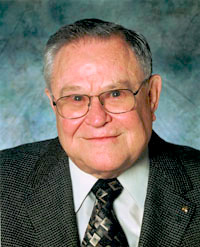
Longtime Raley’s Exec Charles Collings Dies at 87

Heading 2

Lorem ipsum dolor sit amet, consectetur adipisicing elit. Nostrum minus ea suscipit porro alias corporis libero at. Perferendis omnis, veniam nemo beatae vel? Tempora numquam a repellat eaque natus, magnam?

Heading 2

Lorem ipsum dolor sit amet, consectetur adipisicing elit. Autem ipsum mollitia neque, illum illo excepturi, eum incidunt fugit nostrum est, voluptate eaque minima corporis debitis at, dolores ipsam. Quaerat, dolores.

Heading 2

Lorem ipsum dolor sit amet, consectetur adipisicing elit. Autem ipsum mollitia neque, illum illo excepturi, eum incidunt fugit nostrum est, voluptate eaque minima corporis debitis at, dolores ipsam. Quaerat, dolores.

Heading 2

Lorem ipsum dolor sit amet, consectetur adipisicing elit. Autem ipsum mollitia neque, illum illo excepturi, eum incidunt fugit nostrum est, voluptate eaque minima corporis debitis at, dolores ipsam. Quaerat, dolores.

Heading 2

Lorem ipsum dolor sit amet, consectetur adipisicing elit. Autem ipsum mollitia neque, illum illo excepturi, eum incidunt fugit nostrum est, voluptate eaque minima corporis debitis at, dolores ipsam. Quaerat, dolores.

Charles “Chuck” Collings seemingly was born to be in the grocery business, managing an Oklahoma store when fellow teens were still finding their way.

collings

Collings, who went on to become a key Raley’s executive actively involved with the West Sacramento grocer for nearly 50 years, died Saturday because of prolonged health problems.

He was 87.

Collings’ career in the grocery industry began with him sweeping floors and bagging dry goods in a small grocery store in Ada, Okla., when he was a youngster. When he turned 16, he became a manager of the store.

After serving three years in the Navy duringWorld War II, he returned to work for a wholesale meatpacker. He was also an accounting department manager for a Montgomery Ward store in Oakland.

In 1956, Collings was recruited by company founder Tom Raley to join the Raley’s management team.

Collings held various positions and in 1969 became president of Raley’s Superstores.

Collings retired in 1998, but his presence within the company was so profound that he continued to serve on the Raley’s board for years after retirement. He was first elected to the board in 1957.

He was influential in the purchase of the Eagle Thrifty Drug chain, which became the beginnings of the Raley’s Northern Nevada Division. He also assisted in the creation of Mid-Valley Dairy and Super Store Industries.

Collings was appointed Raley’s CEO in 1992. He stayed on the board of directors until 2006, with an additional title of “CEO Emeritus.”

Michael Teel, current Raley’s president and CEO, and the grandson of founder Tom Raley, said: “Chuck was Raley’s. He was a strong leader who set high expectations for business performance and a moral tone for all to follow.”

Collings was past chairman of the California Grocers Association and of the CGA’s Educational Foundation. He was named Sacramentan of the Year in 1997 by the Sacramento Metropolitan Chamber of Commerce.

In 1998, he was inducted into the CGA Educational Foundation Hall of Achievement.

Collings’ widow, Frances, said Monday that she and Collings were to celebrate their 66th year of marriage later this month.

Frances Collings said her husband “already had everything lined up” for his services, including some of his own thoughts to be read aloud by others.

She added: “That’s the way he was. He took care of everything so that other people wouldn’t have to when the time came. That’s how thoughtful he was.”

The Collingses were closely involved in numerous local and national endeavors, including St. HOPE Academy, Pro Athletes Outreach and various Christian groups.

Likewise, the Collings Teen Center in West Sacramento has been a source of family pride.

“We’ve had a really good relationship with (Sacramento Mayor) Kevin Johnson,” Frances Collings said, adding with a chuckle, “Although his political views and ours are very different, we didn’t let that get in the way.”

Collings also said her husband helped with the effort that ultimately made Raley Field home of the Sacramento River Cats baseball team. She recalled that when that effort was successful, her husband requested seats near the home team’s dugout “so Frances can help the manager manage” the team.

Arrangements are being finalized. Frances Collings said a local memorial service will be held near the end of this month.

Reprinted from The Sacramento Bee (6/11/2013)

Editorial: Filling Up California With Plastic

Heading 2

Lorem ipsum dolor sit amet, consectetur adipisicing elit. Nostrum minus ea suscipit porro alias corporis libero at. Perferendis omnis, veniam nemo beatae vel? Tempora numquam a repellat eaque natus, magnam?

Heading 2

Lorem ipsum dolor sit amet, consectetur adipisicing elit. Autem ipsum mollitia neque, illum illo excepturi, eum incidunt fugit nostrum est, voluptate eaque minima corporis debitis at, dolores ipsam. Quaerat, dolores.

Heading 2

Lorem ipsum dolor sit amet, consectetur adipisicing elit. Autem ipsum mollitia neque, illum illo excepturi, eum incidunt fugit nostrum est, voluptate eaque minima corporis debitis at, dolores ipsam. Quaerat, dolores.

Heading 2

Lorem ipsum dolor sit amet, consectetur adipisicing elit. Autem ipsum mollitia neque, illum illo excepturi, eum incidunt fugit nostrum est, voluptate eaque minima corporis debitis at, dolores ipsam. Quaerat, dolores.

Heading 2

Lorem ipsum dolor sit amet, consectetur adipisicing elit. Autem ipsum mollitia neque, illum illo excepturi, eum incidunt fugit nostrum est, voluptate eaque minima corporis debitis at, dolores ipsam. Quaerat, dolores.

Having spent most of last week listening to California lawmakers debate the merits of bills relating to the environment and the economy, one familiar word immediately jumped into my head on Friday when, driving in Oregon, I pulled into a gas station and was immediately greeted by a man wearing a working man’s uniform:

“Jobs.”

Oregon is one of two states in which self-service gas pumping is a crime.

It is an odd sensation for a Californian to pull into a gas station and remain seated behind the steering wheel as a stranger appears at the window and asks, “Fill it up with regular?”

That service may seem time-consuming and unnecessary, but give it this: Requiring that attendants pump gas creates nearly 10,000 jobs in Oregon. Since about 16 times more gasoline is sold in California, a similar law in the Golden State would likely translate to about 160,000 jobs.

Now there’s an idea for an enterprising California lawmaker next year: Introduce a bill to ban self-service gas pumping and create 160,000 jobs.

But wait a minute. An Oregon State University economist estimates that the requirement that attendants pump gas adds from 3 cents to 4 cents a gallon to the cost of gas in Oregon.

Given that a similar law in California would result in higher gasoline prices, the Chamber of Commerce would probably call such a bill — one that would create 160,000 jobs — a “job-killer.”

My head was still spinning from having listened to numerous debates about jobs in the Assembly and Senate last week, but as the helpful attendant stuck the nozzle into my gas tank, my brain cleared and a truth emerged:

Not all jobs are created equal, and to debate public policy solely on the basis of the net increase or decrease in jobs makes about as much sense as pulling into a gas station and not being about to fill your own tank.

On Thursday, Sen. Alex Padilla, D-Pacoima, had sought, unsuccessfully, to make essentially the same point as he argued for his bill that would have banned single-use plastic bags in California supermarkets and drugstores.

Several of the bill’s opponents had passionately argued that such a ban would cost jobs in California.

“I consider myself an environmentalist,” Sen. Kevin de Leon, D-Los Angeles, had said, “but this is not an abstract concept to me. These are real jobs, real lives.”

Padilla seemed perplexed.

He said he had researched the six plastics companies that had registered their opposition to his bill and, as best he could tell, only one still manufactured the types of bags that would have been banned. The others had transitioned to making reusable plastic bags, or made the type of clear-plastic bags that are used by consumers to package fresh produce. Those bags, he noted, would have been unaffected by his bill.

In addition, the bill would have created new markets for reusable bags made from plastic, creating new jobs and providing opportunities for today’s workers to be retrained.

The vast majority of the 14 billion single-use plastic bags distributed in California each year, Padilla determined, are made in North Carolina, Texas and overseas.

In the end, he said, perhaps only a couple hundred California jobs would be affected — jobs that involve making a product that plainly causes harm to the environment and contributes mightily to a buildup of plastic waste in oceans and waterways.

When California banned smoking in public places and took other measures to discourage tobacco use, he asked rhetorically, did anyone seriously object on the grounds that the benefit to public health should have been trumped by the loss of a relatively small number of jobs supported by the sale of cigarettes?

State and local governments pay to dispose of those billions of urban tumbleweeds that collect in storm drains and on beaches, and to handle them as best they can at waste-sorting facilities and landfills.

“It’s not as if there’s not a cost on all families in California today,” Padilla said. “We’re already paying for plastic bags.”

As for their effect on the environment, Padilla noted that “1,000 years from now, when all the canvas and paper has biodegraded, the plastic will still be around and impacting our world.”

In the end, the bill fell three votes short of passage.

Perhaps those senators who professed that their opposition was based solely on a concern about jobs might consider a fact-finding trip to Portland.

That city, like 75 cities in California, bans single-use plastic bags. But it has plenty of jobs for gas station attendants.

By Timm Herdt
Ventura County Star Columist

Reprinted from Contra Costa Times (6/5/2013)

Save Mart Donates 1 Million Pounds of Food in First Quarter

Heading 2

Lorem ipsum dolor sit amet, consectetur adipisicing elit. Nostrum minus ea suscipit porro alias corporis libero at. Perferendis omnis, veniam nemo beatae vel? Tempora numquam a repellat eaque natus, magnam?

Heading 2

Lorem ipsum dolor sit amet, consectetur adipisicing elit. Autem ipsum mollitia neque, illum illo excepturi, eum incidunt fugit nostrum est, voluptate eaque minima corporis debitis at, dolores ipsam. Quaerat, dolores.

Heading 2

Lorem ipsum dolor sit amet, consectetur adipisicing elit. Autem ipsum mollitia neque, illum illo excepturi, eum incidunt fugit nostrum est, voluptate eaque minima corporis debitis at, dolores ipsam. Quaerat, dolores.

Heading 2

Lorem ipsum dolor sit amet, consectetur adipisicing elit. Autem ipsum mollitia neque, illum illo excepturi, eum incidunt fugit nostrum est, voluptate eaque minima corporis debitis at, dolores ipsam. Quaerat, dolores.

Heading 2

Lorem ipsum dolor sit amet, consectetur adipisicing elit. Autem ipsum mollitia neque, illum illo excepturi, eum incidunt fugit nostrum est, voluptate eaque minima corporis debitis at, dolores ipsam. Quaerat, dolores.

Grocers’ Partnership with Feeding America® Provides Much-Needed Aid to Local Area Food Banks

Save Mart Supermarkets today announced perishable grocery donations from the chain’s 226 stores topped one million pounds in the first quarter of this year (January – March).

The food, which includes bakery, dairy, deli, frozen products and produce items, is collected daily by local area food banks as part of the Fresh Food Rescue program launched in March 2012 by the Modesto, California-based grocer and Feeding America, the nation’s leading domestic hunger-relief organization.

“We are honored to work with our partner Feeding America on the Fresh Food Rescue program,” said Save Mart’s Public Affairs Director Alicia Rockwell. “This vitally important initiative allows us to channel perishable food items that are no longer saleable, yet still safe for consumption, into the hands and the homes of many families in our communities who would otherwise go without. Our goal is to donate a total of four million pounds of perishable groceries by the end of the 2013.”

According to Rockwell, store personnel follow strict guidelines to ensure the integrity and safety of all donated food. Preparation of product includes removal from the sales floor, freezing, separating, and labeling for pick-up.

“We value our long-standing partnership with Save Mart and the passion we share in the fight against hunger,” said Eric Davis, director of retail product sourcing for Feeding America. “The one million pounds of food they donated between January and March through Fresh Food Rescue provided 882,000 nutritious meals to our neighbors in need, and that is truly appreciated.”

Editorial: Time Has Come For Ban on Plastic Grocery Bags

Heading 2

Lorem ipsum dolor sit amet, consectetur adipisicing elit. Nostrum minus ea suscipit porro alias corporis libero at. Perferendis omnis, veniam nemo beatae vel? Tempora numquam a repellat eaque natus, magnam?

Heading 2

Lorem ipsum dolor sit amet, consectetur adipisicing elit. Autem ipsum mollitia neque, illum illo excepturi, eum incidunt fugit nostrum est, voluptate eaque minima corporis debitis at, dolores ipsam. Quaerat, dolores.

Heading 2

Lorem ipsum dolor sit amet, consectetur adipisicing elit. Autem ipsum mollitia neque, illum illo excepturi, eum incidunt fugit nostrum est, voluptate eaque minima corporis debitis at, dolores ipsam. Quaerat, dolores.

Heading 2

Lorem ipsum dolor sit amet, consectetur adipisicing elit. Autem ipsum mollitia neque, illum illo excepturi, eum incidunt fugit nostrum est, voluptate eaque minima corporis debitis at, dolores ipsam. Quaerat, dolores.

Heading 2

Lorem ipsum dolor sit amet, consectetur adipisicing elit. Autem ipsum mollitia neque, illum illo excepturi, eum incidunt fugit nostrum est, voluptate eaque minima corporis debitis at, dolores ipsam. Quaerat, dolores.

Banning single-use plastic bags is not going to save the environment. But it would help keep city streets, beaches and the ocean cleaner.

The state Senate, which stymied proposed bans in 2010 and 2012, has before it a balanced bill with broad support. When it comes up for a floor vote, probably today, senators should pass it.

Senate Bill 405, authored by Los Angeles Democrat Alex Padilla, would prohibit supermarkets and drugstores from providing the plastic bags starting Jan. 1, 2015. The ban would expand to convenience stores on July 1, 2016. Stores would have to offer reusable bags that are washable and don’t contain lead, or recyclable paper bags that typically cost 10 cents.

Environmental groups back the bill, largely because of the way that discarded wind-blown plastic bags end up in rivers and oceans, harming wildlife.

Significantly, the statewide grocers and retailers associations also support the bill. They want statewide rules rather than a patchwork of local regulations that make it tougher to do business and can put some stores at a disadvantage.

Already, ordinances cover more than 70 cities and counties in California, and that number is expected to continue rising. More than 400 communities with two-thirds of the state’s population don’t have such rules, however.

The bill wisely preserves some local control. Existing ordinances would remain in effect; if a local community wants tougher rules, it must adopt them before Sept. 1.

Sacramento is moving toward a local ordinance, largely in case SB 405 falls short. Endorsed by the City Council’s Law and Legislation Committee on Tuesday, it is similar to SB 405 and also boasts support from environmental and business groups alike. The major difference is that it would cover convenience stores sooner, on Jan. 1, 2015. If SB 405 becomes law, the council would have to decide whether it is worth passing the ordinance.

Environmental groups point out that Californians use an estimated 14 billion of these plastic bags a year – about 400 per household – and that less than 5 percent are recycled. Bags and other plastics are the primary component of marine debris.

Supporters of a ban also argue convincingly that the bags handed out at the checkout counter aren’t truly “free.” Shoppers pay for them in the price of products, and pay again to clean up and dispose of the bags – a cost estimated at $25 million a year for state taxpayers.

Not surprisingly, the strongest opposition to the bill comes from plastic bag manufacturers. Besides arguing that paper bags are worse for the environment, they raise concerns that reusable bags are a health hazard, pointing to a study that noted a rise in foodborne illnesses and deaths after San Francisco banned plastic bags. The city’s public health department, however, convincingly points out that the study is flawed and doesn’t prove that the ban was the cause.

On the other side of the plastic bag debate, some prefer an alternative approach, along the lines of Senate Bill 700, authored by Davis Democrat Lois Wolk.

Instead of a ban, it would impose a 5-cent tax on all single-use shopping bags – paper as well as plastic – to reduce their use. Grocers would keep a half-cent for administration, but the rest of the estimated $100 million-plus in annual revenue would go to local governments that don’t opt out for parks and cleanup programs.

However, SB 700 is opposed by the grocers and stalled last week in the Senate Appropriations Committee. Even if it resurfaces, the bill appears unlikely to get the required two-thirds vote in either chamber.

SB 405 is not perfect; it is a political compromise. But it has a fighting chance and is worth supporting.

Reprinted from The Sacramento Bee (5/30/2013)

USDA Issues Final Rule To Amend COOL Labeling Provisions

Heading 2

Lorem ipsum dolor sit amet, consectetur adipisicing elit. Nostrum minus ea suscipit porro alias corporis libero at. Perferendis omnis, veniam nemo beatae vel? Tempora numquam a repellat eaque natus, magnam?

Heading 2

Lorem ipsum dolor sit amet, consectetur adipisicing elit. Autem ipsum mollitia neque, illum illo excepturi, eum incidunt fugit nostrum est, voluptate eaque minima corporis debitis at, dolores ipsam. Quaerat, dolores.

Heading 2

Lorem ipsum dolor sit amet, consectetur adipisicing elit. Autem ipsum mollitia neque, illum illo excepturi, eum incidunt fugit nostrum est, voluptate eaque minima corporis debitis at, dolores ipsam. Quaerat, dolores.

Heading 2

Lorem ipsum dolor sit amet, consectetur adipisicing elit. Autem ipsum mollitia neque, illum illo excepturi, eum incidunt fugit nostrum est, voluptate eaque minima corporis debitis at, dolores ipsam. Quaerat, dolores.

Heading 2

Lorem ipsum dolor sit amet, consectetur adipisicing elit. Autem ipsum mollitia neque, illum illo excepturi, eum incidunt fugit nostrum est, voluptate eaque minima corporis debitis at, dolores ipsam. Quaerat, dolores.

The U.S. Department of Agriculture (USDA) has issued a final rule to modify the labeling provisions for muscle cut commodities covered under the Country of Origin Labeling (COOL) program.

“USDA remains confident that these changes will improve the overall operation of the program and also bring the mandatory COOL requirements into compliance with U.S. international trade obligations,” said Agriculture Secretary Tom Vilsack.

The final rule modifies the labeling provisions for muscle cut covered commodities to require the origin designations to include information about where each of the production steps (i.e., born, raised, slaughtered) occurred and removes the allowance for commingling of muscle cuts.

In June 2012, the Appellate Body of the World Trade Organization (WTO) affirmed an earlier WTO Panel decision finding that the United States’ COOL requirements for certain meat commodities discriminated against Canadian and Mexican livestock imports and thus were inconsistent with the WTO Agreement on Technical Barriers to Trade. The United States has until May 23, 2013, to come into compliance with the WTO ruling in COOL.

Notice of the final rule will be published in the May 24, 2013 Federal Register. The final rule will go into effect on May 23, 2013, the day it goes on display in the Federal Register. AMS will conduct an industry education and outreach program concerning the requirements of the rule, similar to the outreach program that was conducted following the 2008 Interim Final Rule and the 2009 Final Rule.

Under COOL, retailers must provide their customers with information about the origin of various food products, including fruits, vegetables, fish and shellfish and meats. Mandatory COOL requirements help consumers make informed purchasing decisions about the food they buy. USDA’s Agricultural Marketing Service (AMS) is responsible for the implementation, administration and enforcement of the COOL regulations.

The final COOL regulations became effective March 16, 2009. Since then, AMS has devoted significant resources to education and outreach. Over these last four years, AMS has closely reviewed industry compliance with COOL. In 2012, USDA and its state cooperators conducted more than 3,800 compliance reviews of retailers. These reviews established an estimated 98 percent compliance rate for commodities under COOL. To learn more about COOL visit www.ams.usda.gov/COOL.

Food Retailers Chart More Positive Business Environment and Financial Performance

Heading 2

Lorem ipsum dolor sit amet, consectetur adipisicing elit. Nostrum minus ea suscipit porro alias corporis libero at. Perferendis omnis, veniam nemo beatae vel? Tempora numquam a repellat eaque natus, magnam?

Heading 2

Lorem ipsum dolor sit amet, consectetur adipisicing elit. Autem ipsum mollitia neque, illum illo excepturi, eum incidunt fugit nostrum est, voluptate eaque minima corporis debitis at, dolores ipsam. Quaerat, dolores.

Heading 2

Lorem ipsum dolor sit amet, consectetur adipisicing elit. Autem ipsum mollitia neque, illum illo excepturi, eum incidunt fugit nostrum est, voluptate eaque minima corporis debitis at, dolores ipsam. Quaerat, dolores.

Heading 2

Lorem ipsum dolor sit amet, consectetur adipisicing elit. Autem ipsum mollitia neque, illum illo excepturi, eum incidunt fugit nostrum est, voluptate eaque minima corporis debitis at, dolores ipsam. Quaerat, dolores.

Heading 2

Lorem ipsum dolor sit amet, consectetur adipisicing elit. Autem ipsum mollitia neque, illum illo excepturi, eum incidunt fugit nostrum est, voluptate eaque minima corporis debitis at, dolores ipsam. Quaerat, dolores.

Sixty percent of food retailers reported higher customer counts and 46 percent noted stronger transaction sizes in fiscal year 2012 compared with the prior year, according to a new Food Marketing Institute (FMI) financial and business review survey performed by 210 Analytics, LLC. For 2013, food retailers remain optimistic, with 58 percent anticipating business conditions to improve and 64 percent expecting further increases in the average shopping basket.

The analysis, Food Retailing and Financial Business Review Survey, included a financial review of fiscal year 2012; a business environment and operational review for 2012 and 2013; and shrink metrics and reporting. Food retailers’ confidence in the business environment and their financial performance were parallel with slow, but steady, improvements across key economic indicators, such as the gross domestic product, unemployment figures and the consumer confidence index.

The in-depth survey explored food retail staffing; salaries and benefits; health care costs and reform; and operational shrink. Key findings include:

Staffing

An area with one of the strongest signs of improved business conditions is that of staffing and benefits. The vast majority of respondents are adding or maintaining corporate and store associate levels, following several years of staff reductions. The outlook for 2013 anticipates greater levels of hiring and even fewer staff reduction. For example, in 2010, 35 percent of companies reduced store-level staffing, compared with a prediction of 9 percent for 2013.

Salaries and Benefits

Another sign of improved conditions are the number of companies that implemented hourly pay and salary increases of 2.5 percent and 2.4 percent, respectively. Nearly two-thirds increased hourly pay in 2012 and 74 percent gave raises for salaried associates. Retailers held the status quo on most benefits, with employee training being the most likely area of increased budget allocations.

Health Care Costs and Reform

In newly defined data, net dental and medical health care costs, including COBRA and administrative fees, as a percentage of total non-fuel and pharmacy sales averaged 1.47 percent in 2012. With costs rising year-over-year for the majority of retailers, 77 percent noted the need to pass along a portion of the cost increases to employees. As to the impact of Health care reform (PPACA), 88 percent said it will increase health care costs in 2013 and 96 percent believe it will further increase expenses in 2014. The most common actions taken to control health care coverage costs are encouraging healthy living and implementing plan modifications that will decrease costs.

Operational Shrink

While some level of shrink is inherit to the nature of the supermarket business, retailers shared best practices to limit controllable shrink. While best of class retailers averaged 1.2 percent total store shrink, the average among all respondents was 2.9 percent. Improved tracking, analysis and reporting was the number one way in which retailers reduce shrink.

LA Next Mayor: Greul Concedes To Garcetti

Heading 2

Lorem ipsum dolor sit amet, consectetur adipisicing elit. Nostrum minus ea suscipit porro alias corporis libero at. Perferendis omnis, veniam nemo beatae vel? Tempora numquam a repellat eaque natus, magnam?

Heading 2

Lorem ipsum dolor sit amet, consectetur adipisicing elit. Autem ipsum mollitia neque, illum illo excepturi, eum incidunt fugit nostrum est, voluptate eaque minima corporis debitis at, dolores ipsam. Quaerat, dolores.

Heading 2

Lorem ipsum dolor sit amet, consectetur adipisicing elit. Autem ipsum mollitia neque, illum illo excepturi, eum incidunt fugit nostrum est, voluptate eaque minima corporis debitis at, dolores ipsam. Quaerat, dolores.

Heading 2

Lorem ipsum dolor sit amet, consectetur adipisicing elit. Autem ipsum mollitia neque, illum illo excepturi, eum incidunt fugit nostrum est, voluptate eaque minima corporis debitis at, dolores ipsam. Quaerat, dolores.

Heading 2

Lorem ipsum dolor sit amet, consectetur adipisicing elit. Autem ipsum mollitia neque, illum illo excepturi, eum incidunt fugit nostrum est, voluptate eaque minima corporis debitis at, dolores ipsam. Quaerat, dolores.

Wendy Greuel officially conceded the Los Angeles mayor’s race to Eric Garcetti on Wednesday after final results showed Garcetti with a 54% to 46% advantage in a low-turnout election.

“I may not have been able to break the glass ceiling, but we sure made a crack in it,” Greuel, the city controller, told supporters gathered at her Van Nuys field office.

Greuel, who was heavily backed by labor unions in the expensive campaign, would have become L.A.’s first female mayor if elected.

“After going toe-to-toe with a person for two years and what seems like 5,000 debates, you really get to know a person,” she said, referring to Garcetti, a three-term L.A. city councilman. “Congratulations, I sincerely wish you the best.”

She delivered her concession speech Wednesday in a room that was largely empty, except for a swarm of media. In preceding days it had been a center of frenetic campaigning as volunteers worked the phones and prepared to walk precincts for votes.

Campaign offices can be closed down quickly, and the Greuel staff was expected turn over the keys by the end of the day.

FULL COVERAGE: L.A.’s race for mayor

Festive blue and green streamers framed walls covered with last-minute directives, photos of supporters and dozens of Post-It notes with names and numbers to call.

Garcetti‘s relentless campaigning paid off as he decisively won a hard-fought race to become Los Angeles’ next mayor, scoring well with voters across the sprawling city and even challenging Greuel on her home turf in the San Fernando Valley.

Garcetti’s eight-point margin ended speculation that the race was so tight that a winner might not be known for weeks. Some mail-in ballots must still be counted, but they are not expected to significantly change the results.

“We have sent a message tonight and that message is that L.A. is ready to put the recession in the rear-view mirror and to become the city of opportunity that I grew up in once again,” Garcetti said early Wednesday in thanking his supporters.

Turnout was about 19%, a bit higher than the initial numbers in the March primary election, but still among the lowest on record. About 345,000 ballots were cast in city races.

The election also ended the one-term tenure of City Atty. Carmen Trutanich, who was soundly beaten by former Assemblyman Mike Feuer, and swept Ron Galperin, a little-known Century City lawyer, to victory as the city’s next controller.

Reprinted from The Los Angeles Times (5/22/2013)

A Powerful Use For Spoiled Food

Heading 2

Lorem ipsum dolor sit amet, consectetur adipisicing elit. Nostrum minus ea suscipit porro alias corporis libero at. Perferendis omnis, veniam nemo beatae vel? Tempora numquam a repellat eaque natus, magnam?

Heading 2

Lorem ipsum dolor sit amet, consectetur adipisicing elit. Autem ipsum mollitia neque, illum illo excepturi, eum incidunt fugit nostrum est, voluptate eaque minima corporis debitis at, dolores ipsam. Quaerat, dolores.

Heading 2

Lorem ipsum dolor sit amet, consectetur adipisicing elit. Autem ipsum mollitia neque, illum illo excepturi, eum incidunt fugit nostrum est, voluptate eaque minima corporis debitis at, dolores ipsam. Quaerat, dolores.

Heading 2

Lorem ipsum dolor sit amet, consectetur adipisicing elit. Autem ipsum mollitia neque, illum illo excepturi, eum incidunt fugit nostrum est, voluptate eaque minima corporis debitis at, dolores ipsam. Quaerat, dolores.

Heading 2

Lorem ipsum dolor sit amet, consectetur adipisicing elit. Autem ipsum mollitia neque, illum illo excepturi, eum incidunt fugit nostrum est, voluptate eaque minima corporis debitis at, dolores ipsam. Quaerat, dolores.

Kroger Co.’s anaerobic digester in Compton takes unsold food from Ralphs and Food 4 Less and converts it into 13 million kilowatt-hours of electricity a year.

What happens to the 40% of food produced but never eaten in the U.S. each year, the mounds of perfect fruit passed over by grocery store shoppers, the tons of meat and milk left to expire?

At Ralphs, one of the oldest and largest supermarket chains on the West Coast, it helps keep the power on.

ralphslogotemp

In a sprawling Compton distribution center that the company shares with its fellow Kroger Co. subsidiary Food 4 Less, organic matter otherwise destined for a landfill is rerouted instead into the facility’s energy grid. Though many grocery stores have tried to cut down on food waste and experiment with alternative energy, Kroger says it’s the first supermarket company in the country to do both simultaneously.

The technology that helps transform moldy chicken and stale bread into clean electricity is known as an anaerobic digester system. At the 59-acre Compton site, which serves 359 Southern California stores, more than 100 onlookers gathered Wednesday to watch the system go to work.

Several chest-high trash bins containing a feast of limp waffles, wilting flowers, bruised mangoes and plastic-wrapped steak sat in an airy space laced with piping. Stores send food unable to be donated or sold to the facility, where it is dumped into a massive grinder — cardboard and plastic packaging included.

After being pulverized, the mass is sent to a pulping machine, which filters out inorganic materials such as glass and metal and mixes in hot wastewater from a nearby dairy creamery to create a sludgy substance.

Mike Vriens, Ralphs vice president of industrial engineering, describes the goop as a “juicy milkshake” of trash.

From there, the mulch is piped into a 250,000-gallon staging tank before being steadily fed into a 2-million-gallon silo. The contraption essentially functions as a multi-story stomach.

Inside, devoid of oxygen, bacteria munch away on the liquid refuse, naturally converting it into methane gas. The gas, which floats to the top of the tank, is siphoned out to power three on-site turbine engines.

The 13 million kilowatt-hours of electricity they produce per year could power more than 2,000 California homes over the period, according to Kroger.

Excess water from the digester is pumped out, purified and sent into the industrial sewer. Leftover sludge becomes nutrient-rich organic fertilizer, enough to nourish 8,000 acres of soil.

The so-called closed-loop system was developed by Boston start-up Feed Resource Recovery and offsets more than 20% of the distribution center’s energy demands — all without producing any pungent odors.

The program helps Kroger reduce its waste by 150 tons a day. The trash otherwise would have been sent to Bakersfield to be composted, hauled away six times a day by diesel trucks traveling 500,000 miles a year.

Kroger won’t say exactly how much it spent on the anaerobic digester but estimates that it will offer an 18.5% return on the company’s investment. The project, over its lifetime, could help the grocer save $110 million. The supermarket giant is considering similar technologies for its La Habra and Riverside facilities and other Kroger locations nationwide.

The grocery chain’s move, some four years in the making, comes amid heated debate over the nation’s food and energy supply.

In August, the Natural Resources Defense Council reported that 40% of food in the U.S. goes uneaten — the equivalent of 20 pounds of food per person per month. The waste is shuttled to landfills, where it contributes to 25% of the country’s methane emissions.

Some grocers have tried to cut back on garbage by putting less food out on display and even composting leftover products. Northern California chain Andronico’s Community Market sells aesthetically marred but still edible produce at a discount. The Austin, Tex., store In.gredients says it sends less than a pound of waste to landfills each month by offering reusable and compostable containers in-house.

Other chains try to reduce their environmental footprint through clean-electricity projects. Whole Foods Market said solar energy helps power stores in Berkeley, Brentwood and elsewhere. Wal-Mart is testing wind turbines, installing solar panels and fuel cells and says three-quarters of its California facilities use some form of green energy.

But in recent years, amid high waste disposal costs and uncertain energy prices, anaerobic digesters have gained favor. The technology has been proposed as a fuel source for data centers, farms, government buildings and other sites.

Nick Whitman, president of Feed Resource Recovery, said Kroger’s new anaerobic digester in Compton may help encourage future installations in more urban areas.

“We’ve had to solve some really critical problems — sanitation, efficiency and reliability issues — that have plagued anaerobic digestion and prevented its wider adoption in the U.S.,” he said Wednesday.

“We’ve been able to bring digestion out of the farms and off the composters and into cities and industrial centers.”

Reprinted from The Los Angeles Times (5/15/2013)

Brown Seeks To Rewrite Toxins Law

Heading 2

Lorem ipsum dolor sit amet, consectetur adipisicing elit. Nostrum minus ea suscipit porro alias corporis libero at. Perferendis omnis, veniam nemo beatae vel? Tempora numquam a repellat eaque natus, magnam?

Heading 2

Lorem ipsum dolor sit amet, consectetur adipisicing elit. Autem ipsum mollitia neque, illum illo excepturi, eum incidunt fugit nostrum est, voluptate eaque minima corporis debitis at, dolores ipsam. Quaerat, dolores.

Heading 2

Lorem ipsum dolor sit amet, consectetur adipisicing elit. Autem ipsum mollitia neque, illum illo excepturi, eum incidunt fugit nostrum est, voluptate eaque minima corporis debitis at, dolores ipsam. Quaerat, dolores.

Heading 2

Lorem ipsum dolor sit amet, consectetur adipisicing elit. Autem ipsum mollitia neque, illum illo excepturi, eum incidunt fugit nostrum est, voluptate eaque minima corporis debitis at, dolores ipsam. Quaerat, dolores.

Heading 2

Lorem ipsum dolor sit amet, consectetur adipisicing elit. Autem ipsum mollitia neque, illum illo excepturi, eum incidunt fugit nostrum est, voluptate eaque minima corporis debitis at, dolores ipsam. Quaerat, dolores.

He says ‘unscrupulous lawyers’ are misusing the Safe Drinking Water and Toxic Enforcement Act, or Proposition 65, by seeking monetary gain from lawsuits. An overhaul may prove difficult.

SACRAMENTO — Responding to complaints from businesses, Gov. Jerry Brown is proposing an overhaul of California’s 26-year-old landmark clean water and anti-toxins law that he said is being misused by “unscrupulous lawyers” filing lawsuits.

At issue is the Safe Drinking Water and Toxic Enforcement Act, or Proposition 65, approved by voters in 1986. It requires product manufacturers, retailers and property owners to post signs warning the public if goods or premises contain chemicals known to the state of California to cause cancer or birth defects.

The law also allows the attorney general, local district attorneys or private attorneys and citizens to sue to enforce the act.

Brown proposed revisions Tuesday to limit attorney’s fees; require plaintiffs to present more information to support their claims; reconsider levels of cancer-causing chemicals to better reflect the danger to humans; and give the public more details about the specific exposure they face and how to avoid it.

“Proposition 65 is a good law that’s helped many people, but it’s being abused by unscrupulous lawyers,” Brown said in a statement. “This is an effort to improve the law so it can do what it was intended to do — protect Californians from harmful chemicals.”

Supporters credit the law — and the threat of lawsuits — with forcing businesses to pull tainted goods or reformulate them with safer ingredients. Critics contend that it also has created a cottage industry of lawyers looking to collect lucrative financial settlements from businesses doing little or nothing wrong.

Brown faces a tough challenge in rewriting the initiative, the only one of its kind in the country. Changing it will require approval from at least two-thirds of both houses of the Legislature.

To win approval, the governor would need to overcome potentially powerful opposition from the environmental groups that originally put Proposition 65 on the books. They have successfully used the law to force the removal of such toxic elements as lead from common products, including candy, children’s costume jewelry, lunch boxes and faucets.

Business lobbies, which have spent decades trying to overturn or weaken Proposition 65, praised the governor’s effort. The initiative has helped ensure proper information on the products California consumers buy, said Jack Stewart, president of the California Manufacturers & Technology Assn. “At the same time, the complicated regulation has turned into a lawsuit factory for plaintiff attorneys bringing frivolous class-action lawsuits.”

Environmentalists and attorneys were more skeptical.

“We’re wary because of our long experience with the political process on this particular law,” said David Roe, the Oakland public interest attorney who was the initiative’s principal author. “If anyone suggests a pinhole in Proposition 65, in jumps the chamber to drive a truck through it.”

Roe, however, called “appropriate” the governor’s effort to eliminate so-called frivolous lawsuits. He argued that it would be good for the environment if legal maneuvering in Proposition 65 cases were limited, and criteria for warnings were upgraded to reflect the most up-to-date science.

Much of the governor’s overhaul plan involves the way Proposition 65 cases are handled by “private attorneys general” — individuals and law firms sending business owners notices of an alleged violation, such as failure to post adequate warning signs. The notices could be followed with lawsuits if the accusation is not addressed within 60 days.

Brown’s effort is not the only one in Sacramento aimed at limiting alleged abuses by some attorneys bringing Proposition 65 cases.

Assemblyman Mike Gatto (D-Los Angeles) introduced a bill, AB 227, after he got a complaint from a constituent. The Eagle Rock businessman said he was being threatened with fines and lawsuits alleging that he hadn’t posted enough warning signs in his Eagle Rock bar and restaurant.

Gatto said he is eager to work with the governor to find “a path forward that is supported by business groups, environmental justice groups, practicing attorneys and the labor community.”

Reprinted from The Los Angeles Times (5/7/2013)

Coke Takes Anti-Obesity Campaign Global

Heading 2

Lorem ipsum dolor sit amet, consectetur adipisicing elit. Nostrum minus ea suscipit porro alias corporis libero at. Perferendis omnis, veniam nemo beatae vel? Tempora numquam a repellat eaque natus, magnam?

Heading 2

Lorem ipsum dolor sit amet, consectetur adipisicing elit. Autem ipsum mollitia neque, illum illo excepturi, eum incidunt fugit nostrum est, voluptate eaque minima corporis debitis at, dolores ipsam. Quaerat, dolores.

Heading 2

Lorem ipsum dolor sit amet, consectetur adipisicing elit. Autem ipsum mollitia neque, illum illo excepturi, eum incidunt fugit nostrum est, voluptate eaque minima corporis debitis at, dolores ipsam. Quaerat, dolores.

Heading 2

Lorem ipsum dolor sit amet, consectetur adipisicing elit. Autem ipsum mollitia neque, illum illo excepturi, eum incidunt fugit nostrum est, voluptate eaque minima corporis debitis at, dolores ipsam. Quaerat, dolores.

Heading 2

Lorem ipsum dolor sit amet, consectetur adipisicing elit. Autem ipsum mollitia neque, illum illo excepturi, eum incidunt fugit nostrum est, voluptate eaque minima corporis debitis at, dolores ipsam. Quaerat, dolores.

Coca-Cola says it will make lower-calorie options and clear calorie labeling more widely available around the world, intensifying a push against critics who say its drinks pack on the pounds.

CocaCola

The Atlanta-based company, which makes Sprite, Fanta and Minute Maid, already offers diet drinks in most markets. But there’s no consistency in their availability, particularly in emerging markets such as China and India.

Coca-Cola also said Wednesday that it would support programs that encourage physical activity and no longer market to kids younger than 12. The company had made a similar promise in 2007 but said the new push would create a “global standard” for the commitment.

It did not elaborate on what changes that would include or set a timetable on when it planned to meet its new goals.

With sugary drinks often blamed for making people fat, Coca-Cola Co. has been more aggressive in trying to convince customers its products can be part of a healthy lifestyle. Earlier this year, the company aired its first TV ad addressing the matter in the U.S. and has since been rolling out the spot to other countries.

The ad touts Coca-Cola’s wide range of lower-calorie offerings. But executives have also made a point of standing by the company’s full-calorie drinks, saying that physical activity plays an important role in fighting obesity.

“There is a place for all of our beverages in a healthy lifestyle,” CEO Muhtar Kent said in a call with reporters.

The announcement from Coca-Cola comes as packaged food companies across the industry look for growth in emerging markets, where middle-class populations are growing rapidly. As more people head to cities and see their incomes rise, health advocates have warned that growing consumption of packaged foods in such countries could fuel obesity rates as they have in developed nations.

The shifting populations around the world nevertheless represent an enormous opportunity for companies. For example, Coca-Cola has noted that Americans on average drink 403 servings of its various beverages a year. That compares with just 12 servings per year in India and 38 in China.

And the company’s diet options aren’t nearly as popular in such countries as they are back at home. In the U.S., where soda consumption has been declining for years, diet drinks now account for 41 percent of sales for the flagship Coke brand. That’s up from single-digits in the 1980s.

Even in major Chinese cities, by contrast, the percentage of sales that diet options account for is in the “high single digits,” Kent said.

Coca-Cola Co. says its goal is to have diet options available wherever regular versions are sold. But that doesn’t mean there would be a diet alternative for every particular brand. For example, if a store in India sells Coke it might also offer Sprite Zero, which doesn’t have any calories, to meet the goal.

The company also says it’s working to have cans and bottles around the world display calories counts on the front of labels, as it does in the United States.

By CANDICE CHOI
AP Food Industry Writer

Reprinted from The Sacramento Bee (5/8/2013)