CGA Hires Southern California Director

Heading 2

Lorem ipsum dolor sit amet, consectetur adipisicing elit. Nostrum minus ea suscipit porro alias corporis libero at. Perferendis omnis, veniam nemo beatae vel? Tempora numquam a repellat eaque natus, magnam?

Heading 2

Lorem ipsum dolor sit amet, consectetur adipisicing elit. Autem ipsum mollitia neque, illum illo excepturi, eum incidunt fugit nostrum est, voluptate eaque minima corporis debitis at, dolores ipsam. Quaerat, dolores.

Heading 2

Lorem ipsum dolor sit amet, consectetur adipisicing elit. Autem ipsum mollitia neque, illum illo excepturi, eum incidunt fugit nostrum est, voluptate eaque minima corporis debitis at, dolores ipsam. Quaerat, dolores.

Heading 2

Lorem ipsum dolor sit amet, consectetur adipisicing elit. Autem ipsum mollitia neque, illum illo excepturi, eum incidunt fugit nostrum est, voluptate eaque minima corporis debitis at, dolores ipsam. Quaerat, dolores.

Heading 2

Lorem ipsum dolor sit amet, consectetur adipisicing elit. Autem ipsum mollitia neque, illum illo excepturi, eum incidunt fugit nostrum est, voluptate eaque minima corporis debitis at, dolores ipsam. Quaerat, dolores.

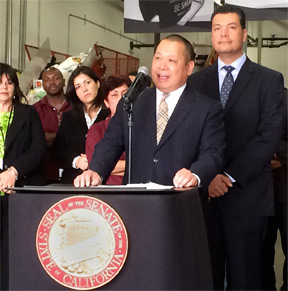
SACRAMENTO, CA (January 13, 2014) – The California Grocers Association is pleased to announce the hiring of Laura Peralta as Director, Local Government Relations, Southern California, effective immediately.

Peralta In this position, Peralta is responsible for CGA’s local government advocacy and outreach for the Southern California region. In addition, she will analyze ordinances, review regulatory proposals, draft advocacy plans, and communicate with elected officials, regulatory staff and member companies. She will also serve as CGA’s representative in Southern California on Association issues.
Her government relations experience ranges from local to federal. Her professional experience includes the Los Angeles City Council, U.S. Department of Labor, The White House and the U.S. House of Representatives. She has also worked for Legal Aid Society of Orange County, Bank of the West and most recently as a consultant for Dewey Square Group.

“Laura’s government relations experience at both the national and local level will be a real plus for the Association,” said Keri Askew Bailey, Senior Vice President, Government Relations and Public Policy, CGA. “Her experience both in the public and private sectors will be tremendous assets and will greatly assist strengthening our advocacy program in Southern California.”

Peralta replaces Sarah Paulson Sheehy who recently accepted a position with Mattel, Inc.

Contact information:
Laura Peralta
1020 N. Lake Street
Burbank, CA 91502
(818) 841-8640

2014: New State Laws Impacting Grocery Industry

Heading 2

Lorem ipsum dolor sit amet, consectetur adipisicing elit. Nostrum minus ea suscipit porro alias corporis libero at. Perferendis omnis, veniam nemo beatae vel? Tempora numquam a repellat eaque natus, magnam?

Heading 2

Lorem ipsum dolor sit amet, consectetur adipisicing elit. Autem ipsum mollitia neque, illum illo excepturi, eum incidunt fugit nostrum est, voluptate eaque minima corporis debitis at, dolores ipsam. Quaerat, dolores.

Heading 2

Lorem ipsum dolor sit amet, consectetur adipisicing elit. Autem ipsum mollitia neque, illum illo excepturi, eum incidunt fugit nostrum est, voluptate eaque minima corporis debitis at, dolores ipsam. Quaerat, dolores.

Heading 2

Lorem ipsum dolor sit amet, consectetur adipisicing elit. Autem ipsum mollitia neque, illum illo excepturi, eum incidunt fugit nostrum est, voluptate eaque minima corporis debitis at, dolores ipsam. Quaerat, dolores.

Heading 2

Lorem ipsum dolor sit amet, consectetur adipisicing elit. Autem ipsum mollitia neque, illum illo excepturi, eum incidunt fugit nostrum est, voluptate eaque minima corporis debitis at, dolores ipsam. Quaerat, dolores.

In the first year of a two-year California legislative session, 2,450 pieces of legislation were considered and while only a fraction became law, there are a handful of bills that will impact the grocery industry in 2014.

CGA hosted a 2014 New Laws webinar reviewing the most impactful pieces of legislation specific to the grocery industry. Below is a brief list of what CGA members-companies need to be aware of this year. You can click here to access the “2014 New Laws Webinar” in its entirety.

Assembly Bill (AB) 10: California’s Minimum Wage

The State’s minimum wage will increase to $9 per hour on July 1, 2014 and again to $10 per hour on Jan. 1, 2016. The bill’s original intent was to tie the minimum wage to an annual cost of living adjustment (COLA), but the employer community was successful in mitigating the damage by negotiating its removal.
Law in effect January 1, 2014

Assembly Bill (AB) 263: Employer Retaliation

This bill adds unfair immigration- related practices to the existing labor law statute, expanding the law to protect undocumented workers from discrimination or retaliation based on their immigration status.

This bill creates a penalty of up to $10,000 per violation. Violations as defined by this new law include: Requesting more or different documents than required by federal law, using E-verify at a time or manner not required by federal law, threatening to file or the filing of a false police report, threatening to contact or contacting immigration authorities.

Moreover, this law prohibits any person acting on behalf of the employer from making, adopting, or enforcing any rule, regulation or policy preventing an employee from disclosing information to a government or law enforcement agency. (Note: More detail on AB 263 can be found in the 2014 New Laws Webinar).
Law in effect January 1, 2014

Senate Bill (SB) 465: Slack Fill

In 1997, the California Legislature identified a variety of reasons manufacturers should be permitted to have extra space in their packaging. Fifteen years after these slack fill exemptions became law, companies have faced enforcement actions in California for their product packaging. This new law expands protections for manufactures for slack fill in their packaging by adding 15 non-functional slack fill exemptions to the current statute.
Law in effect January 1, 2014

Senate Bill (SB) 667: Retail Sale of Shelled Eggs

This CGA-sponsored bill sought to clean up the unintended consequences of legislation enacted in 2010 (AB 1437) in which retailers were subject to heavy fines based on producer non-compliance with standards of California’s Prop 2. Specifically, retailers would have been strictly liable for conditions of egg-laying hens both inside and outside of California. This bill modified liability for retailers to a knowing. It is a nuanced, yet important distinction that CGA member-companies need to be aware of. In short, this bill did not establish compliance penalties, but rather gave member-companies an added layer of protection.
Law in effect January 1, 2014

Senate Bill (SB) 770: Family Leave Expansion:

This law broadens the definition of family within the Paid Family Leave (PFL) program to allow workers to receive the partial wage replacement benefits while taking care of seriously ill siblings, grandparents, grandchildren, and parents-in-law.
Law in effect January 1, 2014

Foundation Accepting College Scholarship Applications

Heading 2

Lorem ipsum dolor sit amet, consectetur adipisicing elit. Nostrum minus ea suscipit porro alias corporis libero at. Perferendis omnis, veniam nemo beatae vel? Tempora numquam a repellat eaque natus, magnam?

Heading 2

Lorem ipsum dolor sit amet, consectetur adipisicing elit. Autem ipsum mollitia neque, illum illo excepturi, eum incidunt fugit nostrum est, voluptate eaque minima corporis debitis at, dolores ipsam. Quaerat, dolores.

Heading 2

Lorem ipsum dolor sit amet, consectetur adipisicing elit. Autem ipsum mollitia neque, illum illo excepturi, eum incidunt fugit nostrum est, voluptate eaque minima corporis debitis at, dolores ipsam. Quaerat, dolores.

Heading 2

Lorem ipsum dolor sit amet, consectetur adipisicing elit. Autem ipsum mollitia neque, illum illo excepturi, eum incidunt fugit nostrum est, voluptate eaque minima corporis debitis at, dolores ipsam. Quaerat, dolores.

Heading 2

Lorem ipsum dolor sit amet, consectetur adipisicing elit. Autem ipsum mollitia neque, illum illo excepturi, eum incidunt fugit nostrum est, voluptate eaque minima corporis debitis at, dolores ipsam. Quaerat, dolores.

Applications for more than 200 CGA Educational Foundation College Scholarships, totaling $300,000, are now being accepted for the 2014-2015 academic year.

The scholarships are available to CGA member company employees and their college-bound dependents through the Foundation’s College Scholarship Program.

Those eligible to apply include a high school seniors, college freshmen, sophomores, juniors or seniors who are full-time students either employed by, or are the dependent of an employee of, a CGA member company since Jan. 1, 2013. Graduate students who are employed by a CGA member company since January 1, 2013 may also apply.

Selection criteria includes past and current academic performance, evidence of leadership, participation in school and community activities, and for some awards, financial need.

The deadline to submit an application and all required documentation is April 1, 2014. For more information, visit www.cgaef.org, or contact Brianne Page at [email protected], or call (916) 448-3545.

CGA Elects New Chair, New Board Members

Heading 2

Lorem ipsum dolor sit amet, consectetur adipisicing elit. Nostrum minus ea suscipit porro alias corporis libero at. Perferendis omnis, veniam nemo beatae vel? Tempora numquam a repellat eaque natus, magnam?

Heading 2

Lorem ipsum dolor sit amet, consectetur adipisicing elit. Autem ipsum mollitia neque, illum illo excepturi, eum incidunt fugit nostrum est, voluptate eaque minima corporis debitis at, dolores ipsam. Quaerat, dolores.

Heading 2

Lorem ipsum dolor sit amet, consectetur adipisicing elit. Autem ipsum mollitia neque, illum illo excepturi, eum incidunt fugit nostrum est, voluptate eaque minima corporis debitis at, dolores ipsam. Quaerat, dolores.

Heading 2

Lorem ipsum dolor sit amet, consectetur adipisicing elit. Autem ipsum mollitia neque, illum illo excepturi, eum incidunt fugit nostrum est, voluptate eaque minima corporis debitis at, dolores ipsam. Quaerat, dolores.

Heading 2

Lorem ipsum dolor sit amet, consectetur adipisicing elit. Autem ipsum mollitia neque, illum illo excepturi, eum incidunt fugit nostrum est, voluptate eaque minima corporis debitis at, dolores ipsam. Quaerat, dolores.

Mary Kasper, Senior Vice President, General Counsel and Secretary, Fresh & Easy Neighborhood Market Inc., was elected the 2013-2014 California Grocers Association Chair of the Board of Directors at its Annual Meeting on Dec. 6, 2013.

As Chair, Kasper will oversee the Association’s numerous legislative, educational, communications and industry-related programs. CGA is comprised of more than 350 retail companies operating more than 6,000 stores in California and Nevada. The chair serves for one year. She succeeds Immediate Past Chair Kevin Davis, President and CEO, Bristol Farms.

“Mary’s extensive government relations and legal expertise, coupled with her considerable knowledge of the grocery industry, is a real plus for the Association,” said CGA President and CEO Ronald K. Fong. “Her positive attitude and ability to work effectively with such a diverse Board of Directors are tremendous assets. The Board and staff look forward to her leadership in the coming year.”

In addition to Kasper, the following individuals were elected to the 2013-2014 CGA Board of Directors Executive Committee: First Vice Chair, Joe Falvey, Unified Grocers, Inc.; Second Vice Chair, Kevin Konkel, Raley’s; Treasurer, Mike Read, WinCo Foods, Inc.; Secretary, Diana Godfrey, Smart & Final Stores; and Immediate Past Chair, Kevin Davis, Bristol Farms.

Chairman’s appointments to the Executive Committee include: Dave Jones, Kellogg Company, and Dora Wong, Coca-Cola Refreshments.

Directors elected for their first full three-year term include: Kevin Arceneaux, Mondelez International; Brian Dowling, Safeway Inc.; Robin Graf, Whole Foods Market; Keith Olscamp, Campbell Soup Company; Chris Podesto, Food 4 Less/San Miguel Markets; Chris Polak, Unilever; Mimi Song, Superior Grocers; Tiernan Summins, Kraft Foods Group, Inc.; and Jim Van Gorkom, NuCal Foods.

Directors elected for their second three-year term include: Raul Aguilar, Anheuser-Busch InBev; Paul Cooke, Nestle Purina PetCare; Jon Giannini, Nutricion Fundamental, Inc.; Dave Jones, Kellogg Company; and Omar Milbis, Rio Ranch Markets.

Former CGA Chair Jonathan Mayes was nominated as an honorary board member.

Photo: Outgoing Chair Kevin Davis passes the gavel to Incoming Chair Mary Kasper.

CGA Testifies on WIC Moratorium

Heading 2

Lorem ipsum dolor sit amet, consectetur adipisicing elit. Nostrum minus ea suscipit porro alias corporis libero at. Perferendis omnis, veniam nemo beatae vel? Tempora numquam a repellat eaque natus, magnam?

Heading 2

Lorem ipsum dolor sit amet, consectetur adipisicing elit. Autem ipsum mollitia neque, illum illo excepturi, eum incidunt fugit nostrum est, voluptate eaque minima corporis debitis at, dolores ipsam. Quaerat, dolores.

Heading 2

Lorem ipsum dolor sit amet, consectetur adipisicing elit. Autem ipsum mollitia neque, illum illo excepturi, eum incidunt fugit nostrum est, voluptate eaque minima corporis debitis at, dolores ipsam. Quaerat, dolores.

Heading 2

Lorem ipsum dolor sit amet, consectetur adipisicing elit. Autem ipsum mollitia neque, illum illo excepturi, eum incidunt fugit nostrum est, voluptate eaque minima corporis debitis at, dolores ipsam. Quaerat, dolores.

Heading 2

Lorem ipsum dolor sit amet, consectetur adipisicing elit. Autem ipsum mollitia neque, illum illo excepturi, eum incidunt fugit nostrum est, voluptate eaque minima corporis debitis at, dolores ipsam. Quaerat, dolores.

California’s moratorium on issuing new WIC licenses is “one of the biggest issues facing the grocery industry,” CGA Senior Vice President Keri Askew-Bailey told the Joint Legislative Audit Committee on Monday.

The Committee met in an Oversight Hearing to hear testimony as to the scope of the moratorium, including why it hasn’t been lifted.

The moratorium was issued in 2011. Representatives from the Department of Public Health said the moratorium will be lifted in the summer of 2014.

Askew-Bailey told committee members the grocery industry appreciates the progress made by the state Department of Public Health, but an interim solution is needed. “We cannot wait until Summer of 2014 to see relief,” Askew-Bailey said. “We need exception criteria expanded for store categories that weren’t part of the problem to begin with.”

She said the moratorium is having a direct impact on grocery retailers, including one company that has indicated it will not explore expansion opportunities in California because they cater to lower income households. Another grocery retailer will likely close its doors because they failed to meet the WIC exemption criteria – it moved into a former grocery store location that had been closed for more than six months.

Askew-Bailey told committee members that while it is generally understood that the problems associated with overcharging were limited to a small minority of vendors and not in traditional grocery stores, the moratorium is imposed on all vendor types.

She explained that some grocery stores in low income areas depend on WIC shoppers to remain viable. “It isn’t necessarily the WIC coupons that are needed, but all the other goods customers purchase when they shop,” she said. “But if they can’t use their WIC vouchers, they won’t shop at a store and develop that customer loyalty. So store viability is impacted.”

Others providing testimony included Kathleen Billingsly and Christine Nelson from the Department of Public Health, and Laurie True of California WIC Association.

LA Launches “Bring Your Own Bag” Education Campaign

Heading 2

Lorem ipsum dolor sit amet, consectetur adipisicing elit. Nostrum minus ea suscipit porro alias corporis libero at. Perferendis omnis, veniam nemo beatae vel? Tempora numquam a repellat eaque natus, magnam?

Heading 2

Lorem ipsum dolor sit amet, consectetur adipisicing elit. Autem ipsum mollitia neque, illum illo excepturi, eum incidunt fugit nostrum est, voluptate eaque minima corporis debitis at, dolores ipsam. Quaerat, dolores.

Heading 2

Lorem ipsum dolor sit amet, consectetur adipisicing elit. Autem ipsum mollitia neque, illum illo excepturi, eum incidunt fugit nostrum est, voluptate eaque minima corporis debitis at, dolores ipsam. Quaerat, dolores.

Heading 2

Lorem ipsum dolor sit amet, consectetur adipisicing elit. Autem ipsum mollitia neque, illum illo excepturi, eum incidunt fugit nostrum est, voluptate eaque minima corporis debitis at, dolores ipsam. Quaerat, dolores.

Heading 2

Lorem ipsum dolor sit amet, consectetur adipisicing elit. Autem ipsum mollitia neque, illum illo excepturi, eum incidunt fugit nostrum est, voluptate eaque minima corporis debitis at, dolores ipsam. Quaerat, dolores.

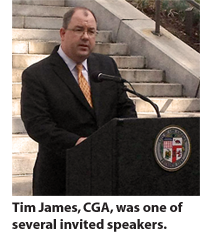
Los Angeles city officials today (11/18?2013) announced an effort to educate Angelenos on the plastic bag ban going into effect at large grocery and drug stores on Jan. 1, and at smaller, mom-and-pop stores six months later.

Tjames

As part of the “Bring Your Own Bag” campaign, stores will display placards warning shoppers of the impending ban — involving Ralphs, Vons, Albertsons and Wal-Mart, among others — and reminding customers to bring reusable bags when they shop.

Drug stores like CVS, Rite Aid and Walgreens, and convenience stores such as 7-Eleven, will also need to stop using plastic bags by Jan. 1.

Customers will be charged 10 cents each for paper bags.

The ban goes into effect July 1 for smaller, independent grocery stores, drug stores and convenience food-marts.

Plastic bags will still be allowed at restaurants and department stores. The thin plastic sacks used for produce and meat are also exempt from the ban.

In addition to the outreach campaign, city leaders today announced “The LA Epic Reusable Bag Giveaway,” a program to make and give out reusable bags in low-income neighborhoods.

A call was put out for sponsors to help fund the giveaway program, which will employ veterans from the group Green Vets LA to sew the bags and Homeboy Industries, an organization that helps at-risk or gang-involved youth, to do the silkscreening. Environmental groups will distribute the bags.

The city also made a pledge to give out 100,000 free reusable bags in each of the 15 City Council districts.

The council approved the ban earlier this year. In June, former Los Angeles Mayor Antonio Villaraigosa signed the ban into law, making Los Angeles the most populous city in the nation to ban single-use plastic bags.

The law is similar to one adopted by Los Angeles County. Other cities in California, including San Francisco and Santa Monica, have adopted plastic bag bans.

A statewide ban proposed by Sen. Alex Padilla, D-Los Angeles, a former Los Angeles city councilman, was defeated in May.

Activists from environmental organizations such as Heal the Bay say a ban on the non-biodegradable plastic bags will lead to cleaner beaches, storm drains, rivers and other public spaces. Representatives of plastics companies counter that it will cost jobs, while others contend reusable bags are prone to germs and pose a health risk.

The local ban takes effect Jan. 1 for stores that gross more than $2 million a year or are housed in a retail space that is 10,000 square feet or larger. Starting July 1, the ban will include liquor stores, and independent markets that carry limited groceries but have staples such as milk and bread.

Proceeds from the 10-cent charge for recyclable paper bags will be kept by stores and used only to recoup the costs of the bags and comply with the city ban. It also will pay for materials to promote reusable bags.

Stores will be required to file quarterly reports on the number of paper bags given out, how much money the store receives for those bags and efforts to promote reusable bags.

To help ease the transition, the city plans to hand out about 1 million reusable bags in low-income areas. Participants of SNAP, WIC and EBT programs will get reusable bags or recyclable paper bags free-of-charge.

The city currently spends about $2 million annually cleaning up plastic bag litter.

From City News Service (11/18/2013)

Northgate Gonzalez Hosts SEC Store Tour

Heading 2

Lorem ipsum dolor sit amet, consectetur adipisicing elit. Nostrum minus ea suscipit porro alias corporis libero at. Perferendis omnis, veniam nemo beatae vel? Tempora numquam a repellat eaque natus, magnam?

Heading 2

Lorem ipsum dolor sit amet, consectetur adipisicing elit. Autem ipsum mollitia neque, illum illo excepturi, eum incidunt fugit nostrum est, voluptate eaque minima corporis debitis at, dolores ipsam. Quaerat, dolores.

Heading 2

Lorem ipsum dolor sit amet, consectetur adipisicing elit. Autem ipsum mollitia neque, illum illo excepturi, eum incidunt fugit nostrum est, voluptate eaque minima corporis debitis at, dolores ipsam. Quaerat, dolores.

Heading 2

Lorem ipsum dolor sit amet, consectetur adipisicing elit. Autem ipsum mollitia neque, illum illo excepturi, eum incidunt fugit nostrum est, voluptate eaque minima corporis debitis at, dolores ipsam. Quaerat, dolores.

Heading 2

Lorem ipsum dolor sit amet, consectetur adipisicing elit. Autem ipsum mollitia neque, illum illo excepturi, eum incidunt fugit nostrum est, voluptate eaque minima corporis debitis at, dolores ipsam. Quaerat, dolores.

Northgate Gonzalez Markets was the final stop on the 2013 CGA Supplier Executive Council (SEC) Store Tour Series. Co-President/COO Oscar Gonzalez and company team members welcomed SEC members to their Norwalk location on Thursday, November 7, and provided an in-depth look at their store operation, while learning more about the company’s overall business strategy.

As participants toured the store, team members freely shared the ins-and-outs of each department, its specialities and private label items. In addition, SEC attendees gained valuable insight on reaching Southern California’s burgeoning Latino market. Northgate Gonzalez is one of the fastest growing Hispanic grocery chains in California.

These exclusive store tours provide SEC members with an opportunity to learn about how retailers approach operational strategies and obtain insights on customers directly from some of California’s top grocery retail executives.To learn more about becoming an SEC member, contact Sunny Chang, at (916) 448-3545.

CGA Hosts LA City Local Government Day

Heading 2

Lorem ipsum dolor sit amet, consectetur adipisicing elit. Nostrum minus ea suscipit porro alias corporis libero at. Perferendis omnis, veniam nemo beatae vel? Tempora numquam a repellat eaque natus, magnam?

Heading 2

Lorem ipsum dolor sit amet, consectetur adipisicing elit. Autem ipsum mollitia neque, illum illo excepturi, eum incidunt fugit nostrum est, voluptate eaque minima corporis debitis at, dolores ipsam. Quaerat, dolores.

Heading 2

Lorem ipsum dolor sit amet, consectetur adipisicing elit. Autem ipsum mollitia neque, illum illo excepturi, eum incidunt fugit nostrum est, voluptate eaque minima corporis debitis at, dolores ipsam. Quaerat, dolores.

Heading 2

Lorem ipsum dolor sit amet, consectetur adipisicing elit. Autem ipsum mollitia neque, illum illo excepturi, eum incidunt fugit nostrum est, voluptate eaque minima corporis debitis at, dolores ipsam. Quaerat, dolores.

Heading 2

Lorem ipsum dolor sit amet, consectetur adipisicing elit. Autem ipsum mollitia neque, illum illo excepturi, eum incidunt fugit nostrum est, voluptate eaque minima corporis debitis at, dolores ipsam. Quaerat, dolores.

CGA and member companies including Vons, Ralphs Grocery Co., Gelson’s Markets, Smart & Final, Northgate Gonzalez Markets, and Unified Grocers on October 16, with no fewer than 12 Los Angeles City Council members.

The meetings were designed to help the grocery industry raise its profile in the state’s largest, and most active legislatively speaking, jurisdiction. With no formal issues to lobby, the group focused on developing and deepening relationships that will help the grocery industry and CGA become a resource for elected officials when discussing policy proposals that impact retail grocers and suppliers.

Photo: (l to r): Tim Mahoney, Hee-Sook Nelson, Gelson’s Markets; Kendra Doyel, Ralphs Grocery Co.; Council Member Tom LaBonge, District 4; Vanessa Rosales, Ralphs Grocery Co.; Ron Fong, CGA; Miguel Gonzalez, Northgate Gonzalez Markets.

CGA Participates in 24th Envisioning California Conference

Heading 2

Lorem ipsum dolor sit amet, consectetur adipisicing elit. Nostrum minus ea suscipit porro alias corporis libero at. Perferendis omnis, veniam nemo beatae vel? Tempora numquam a repellat eaque natus, magnam?

Heading 2

Lorem ipsum dolor sit amet, consectetur adipisicing elit. Autem ipsum mollitia neque, illum illo excepturi, eum incidunt fugit nostrum est, voluptate eaque minima corporis debitis at, dolores ipsam. Quaerat, dolores.

Heading 2

Lorem ipsum dolor sit amet, consectetur adipisicing elit. Autem ipsum mollitia neque, illum illo excepturi, eum incidunt fugit nostrum est, voluptate eaque minima corporis debitis at, dolores ipsam. Quaerat, dolores.

Heading 2

Lorem ipsum dolor sit amet, consectetur adipisicing elit. Autem ipsum mollitia neque, illum illo excepturi, eum incidunt fugit nostrum est, voluptate eaque minima corporis debitis at, dolores ipsam. Quaerat, dolores.

Heading 2

Lorem ipsum dolor sit amet, consectetur adipisicing elit. Autem ipsum mollitia neque, illum illo excepturi, eum incidunt fugit nostrum est, voluptate eaque minima corporis debitis at, dolores ipsam. Quaerat, dolores.

CGA Senior Vice President Keri Askew Bailey told attendees at the 24th Annual Envisioning California Conference that while grocery retailers frequently seek new growth opportunities, numerous barriers often curtail these efforts.

Representing the grocery industry on a panel of experts addressing the topic “Food Poverty in an Agriculturally Rich State: How to Address Food Access Inequalities Across California,” Bailey said grocers face some of the highest energy, workers’ compensation, labor, regulatory and litigation costs in the nation.

She cited one example where a grocer had to obtain no fewer than 14 local permits, or licenses, along with an additional 14 state licenses before being able to break ground on a new store site.

These government issued requirements are more often than not in urban areas that historically include “food deserts” – local communities underserved by conventional grocery stores.

Compounding this problem in the last two years has been a statewide moratorium on WIC vendor authorizations. Typically WIC users make up a large portion of a grocery store’s customer base in these underserved areas. The moratorium is a major obstacle to opening stores in underserved communities.

Bailey did say that despite the challenges, due to California’s size and diverse population, new stores are entering the marketplace. With the rise of the Latino population in Southern California has come an increased number of independent ethnic-based stores. Other ethnic-centered stores are experiencing similar growth as well.

Grocers will continue to seek dense, growing population areas when considering building a supermarket. Access and traffic flow are two key components to a successful store operation. And, Bailey, added a competitive retail environment is very important along with a strong local government and civic pride.

The theme for the conference was “Food for thought: Current Food Trends and Policies in the Golden State,” and was hosted by the Sacramento State Center for California Studies and held in Sacramento.

Other panel speakers included Cory Clift, Executive Director, Freedom Farms; Clare Fox, Strategic Initiatives Coordinator, Los Angeles Food Policy Council; and Charles L. Mason, Jr., President and CEO, Ubuntu Green.

Editorial: Statewide Plastic Bag Ban is Good For Business and The Environment

Heading 2

Lorem ipsum dolor sit amet, consectetur adipisicing elit. Nostrum minus ea suscipit porro alias corporis libero at. Perferendis omnis, veniam nemo beatae vel? Tempora numquam a repellat eaque natus, magnam?

Heading 2

Lorem ipsum dolor sit amet, consectetur adipisicing elit. Autem ipsum mollitia neque, illum illo excepturi, eum incidunt fugit nostrum est, voluptate eaque minima corporis debitis at, dolores ipsam. Quaerat, dolores.

Heading 2

Lorem ipsum dolor sit amet, consectetur adipisicing elit. Autem ipsum mollitia neque, illum illo excepturi, eum incidunt fugit nostrum est, voluptate eaque minima corporis debitis at, dolores ipsam. Quaerat, dolores.

Heading 2

Lorem ipsum dolor sit amet, consectetur adipisicing elit. Autem ipsum mollitia neque, illum illo excepturi, eum incidunt fugit nostrum est, voluptate eaque minima corporis debitis at, dolores ipsam. Quaerat, dolores.

Heading 2

Lorem ipsum dolor sit amet, consectetur adipisicing elit. Autem ipsum mollitia neque, illum illo excepturi, eum incidunt fugit nostrum est, voluptate eaque minima corporis debitis at, dolores ipsam. Quaerat, dolores.

By Ron Fong, CGA President

The city of Los Angeles, the nation’s second most populous city and one of the world’s largest economic centers, did not casually nor hastily adopt its plastic grocery bag ban. Careful environmental studies and solid economic facts led to one thoughtful conclusion: Single-use plastic grocery bags are bad for the economy and bad for the environment.

A global shift is under way away from these plastic bags that pollute our shores and streams, cause costly stoppages at recycling plants, increase storm wastewater costs and pose a grave threat to certain wildlife.

As noted in a Viewpoints commentary (“A better plastic bag – not a ban on them – is the answer to recycling,” Sept. 25), there is an added cost and increased environmental impact in solely using paper bags – but it is simply not true that banning plastic bags, if done correctly, will lead to the skyrocketing use of paper bags or the felling of more trees.

Data collected from grocery retailers by local jurisdictions that have implemented “ban/charge” ordinances, such as San Jose and Los Angeles County, have shown a dramatic reduction in single-use paper bag consumption – as much as 90 percent.

Each year in California, more than 14 billion single-use plastic bags are handed out by retailers, only 5 percent of which are recycled, according to CalRecycle. Californians pay an estimated $25 million annually to collect and bury plastic bag waste. These bags slow down and jam sorting machinery at recycling centers. Sacramento officials report that its materials recovery facility shuts down an average six times per day to remove plastic from the machines.

Banning single-use plastic bags doesn’t just make environmental sense – it makes economic sense.

The authors in the Viewpoints article are correct that business should create a sustainable solution to the growing concerns of carryout bags.

But the question should not be “paper or plastic” – nor should it be anti-plastic altogether. The question is how to develop smarter plastics.

The answer is simple, we must phase out single-use bags to create a market for innovative alternatives, and we must adopt a statewide roadmap for cities, counties and businesses.

More than 80 cities and counties in California have enacted some sort of plastic bag ban. State Sen. Alex Padilla authored Senate Bill 405, a statewide ban on single-use plastic bags designed to protect businesses from patchwork compliance standards while creating green jobs in the reusable bag space.

Businesses, consumers and the environmental community are working together to foster innovation while safeguarding citizens. It is time for California to join – and be a leader – in this movement.

Reprinted from The Sacramento Bee (October 6, 2013