Washington State Voters Reject Labeling of GMO Foods

Heading 2

Lorem ipsum dolor sit amet, consectetur adipisicing elit. Nostrum minus ea suscipit porro alias corporis libero at. Perferendis omnis, veniam nemo beatae vel? Tempora numquam a repellat eaque natus, magnam?

Heading 2

Lorem ipsum dolor sit amet, consectetur adipisicing elit. Autem ipsum mollitia neque, illum illo excepturi, eum incidunt fugit nostrum est, voluptate eaque minima corporis debitis at, dolores ipsam. Quaerat, dolores.

Heading 2

Lorem ipsum dolor sit amet, consectetur adipisicing elit. Autem ipsum mollitia neque, illum illo excepturi, eum incidunt fugit nostrum est, voluptate eaque minima corporis debitis at, dolores ipsam. Quaerat, dolores.

Heading 2

Lorem ipsum dolor sit amet, consectetur adipisicing elit. Autem ipsum mollitia neque, illum illo excepturi, eum incidunt fugit nostrum est, voluptate eaque minima corporis debitis at, dolores ipsam. Quaerat, dolores.

Heading 2

Lorem ipsum dolor sit amet, consectetur adipisicing elit. Autem ipsum mollitia neque, illum illo excepturi, eum incidunt fugit nostrum est, voluptate eaque minima corporis debitis at, dolores ipsam. Quaerat, dolores.

The initiative would have required labels on foods containing genetically engineered ingredients

Washington state voters on Tuesday rejected an initiative that would have required foods containing genetically engineered ingredients to be labeled.

The vote was 54.8% opposed to labeling and 45.2% in favor of it.

Had it passed, Initiative 522 would have made the state the first in the nation to require such labeling.

The initiative was the most expensive in state history, though it was largely fought by out-of-state interests.

The No on 522 campaign set a record for fundraising, bringing in $22 million in donations according to The Seattle Times. Just $550 came from Washington residents, according to the newspaper. The top five contributors were the Grocery Manufacturers Association, Monsanto, DuPont Pioneer, Dow AgroSciences and Bayer CropScience.

The largest donor to the pro-labeling campaign were California-based Dr. Bronner’s Magic Soaps and the Center for Food Safety in Washington, D.C. However the initiative garnered almost 30% of its funding from individuals in Washington state, the Times reported.

Food industry ads claimed that the initiative would raise food prices. Labels would mislead consumers into thinking that products that contain genetically engineered ingredients are “somehow different, unsafe or unhealthy,” said Brian Kennedy of the Grocery Manufacturers Association, a food industry group based in Washington, D.C.

The Yes on 522 campaigns emphasized consumers right to know what’s in their food.

The Washington initiative was part of an ongoing national fight by those opposed to genetically engineered crops to push for labeling. A similar, bruising $37 million battle in California in 2012 went against labeling advocates. The final vote was 51.4% opposed and 48.6% in favor.

“Sooner or later, one of these is going to pass. It’s only a matter of time. At some point the industry is going to get tired of pouring this kind of money into these campaigns,” said Marion Nestle, a professor of nutrition at New York University.

She said she doesn’t believe there’s anything dangerous about genetically engineered foods but is concerned about corporate control of the food supply.

Genetically engineered crops have a gene from another plant inserted into them to give them some ability they didn’t have before.

There are two common genetic modifications. One is for herbicide tolerance: Plants are given a gene that protects them from harm when a farmer sprays them with herbicides to kill weeds. The other is a gene from a soil bacteria called Bacillus thuringiensis that allows plants to produce their own insecticide.

A huge proportion of commodity crops grown by U.S. farmers are genetically engineered: 97% of the nation’s sugar beets, 93% of the soybeans, 90% of the cotton and 90% of the feed corn for animals, according to the 2013 figures from the Department of Agriculture.

About 60% of the papaya grown in the United States, all in Hawaii, has been genetically engineered to allow it to withstand the ringspot virus, which virtually wiped out papaya production in the islands in the 1980s, according to the International Service for the Acquisition of Agri-biotech Applications.

Very small amounts of genetically engineered zucchini, yellow squash and sweet corn are also sold in the United States.

The Food and Drug Administration does not require foods containing genetically engineered ingredients to be labeled because it considers them “functionally equivalent” to conventionally grown crops.

Reprinted from USA Today (11/6/2013)

Editorial: Plastic Bag Ban Makes Sense For All of California

Heading 2

Lorem ipsum dolor sit amet, consectetur adipisicing elit. Nostrum minus ea suscipit porro alias corporis libero at. Perferendis omnis, veniam nemo beatae vel? Tempora numquam a repellat eaque natus, magnam?

Heading 2

Lorem ipsum dolor sit amet, consectetur adipisicing elit. Autem ipsum mollitia neque, illum illo excepturi, eum incidunt fugit nostrum est, voluptate eaque minima corporis debitis at, dolores ipsam. Quaerat, dolores.

Heading 2

Lorem ipsum dolor sit amet, consectetur adipisicing elit. Autem ipsum mollitia neque, illum illo excepturi, eum incidunt fugit nostrum est, voluptate eaque minima corporis debitis at, dolores ipsam. Quaerat, dolores.

Heading 2

Lorem ipsum dolor sit amet, consectetur adipisicing elit. Autem ipsum mollitia neque, illum illo excepturi, eum incidunt fugit nostrum est, voluptate eaque minima corporis debitis at, dolores ipsam. Quaerat, dolores.

Heading 2

Lorem ipsum dolor sit amet, consectetur adipisicing elit. Autem ipsum mollitia neque, illum illo excepturi, eum incidunt fugit nostrum est, voluptate eaque minima corporis debitis at, dolores ipsam. Quaerat, dolores.

A growing list of California cities has banned single-use plastic bags, and others are moving in that direction. Local governments are right to take this modest step to help keep our streets and streams cleaner. But it would be far better if the Legislature passed statewide rules for what is a statewide problem.

Regrettably, a balanced bill to get out of the state Senate this past session, despite backing from environmental groups, retailers and grocers. Senate Bill 405 fell three votes short in May, killed by Latino Democrats who claimed it would cost hundreds of jobs in Los Angeles-area bag factories.

The bill’s author, Sen. Alex Padilla, a Los Angeles Democrat, plans to try again in the next session that begins in January. He’s hopeful he can sway the four Democrats who abstained from voting. He argues that the job worries should be put to rest by a study, done for the city of Los Angeles, which found that only 15 jobs would be lost inside the city. Los Angeles will be the largest city in the country with a plastic bag ban, when it takes effect Jan. 1.

“The public policy momentum continues to build,” Padilla told The Sacramento Bee’s editorial board.

The Senate also rejected similar measures in 2010 and 2012. Local officials started acting because the state didn’t.

Typically, the cities ban the one-use plastic bags and require stores to charge at least 10 or 25 cents for paper bags, as a way to encourage shoppers to bring their own bags. Many shoppers already do that, some because the stores offer a small discount, say 5 cents, but others because it is just the right thing to do.

The growing patchwork of local rules can put some shops at a competitive disadvantage and is confusing for businesses and consumers alike. While more than 80 California cities and counties have plastic bag bans, about 400 do not.

One estimate is that as many as 20 billion plastic bags are used by Californians each year, but only 5 percent are recycled. They litter roadsides and waterways, where governments then have to spend millions of dollars to clean them up. Eventually, some bags end up in the ocean, where they harm marine life. Beach communities were among the first to adopt the plastic bag bans; some of those have been in place since 2008.

Here in the Central Valley, flying plastic bags are a common type of litter along streets and in rural areas.

A few Valley cities, however, are looking to ban plastic bags. Sacramento is studying a proposal, and the Davis City Council this week adopted a ban that will go into effect next summer.

The case against single-use plastic bags is increasingly clear and compelling – for all of California.

Reprinted from the Merced Sun-Star (11/15/2013)

Editorial: Legislature Should Ban The Flimsy Bag Statewide

Heading 2

Lorem ipsum dolor sit amet, consectetur adipisicing elit. Nostrum minus ea suscipit porro alias corporis libero at. Perferendis omnis, veniam nemo beatae vel? Tempora numquam a repellat eaque natus, magnam?

Heading 2

Lorem ipsum dolor sit amet, consectetur adipisicing elit. Autem ipsum mollitia neque, illum illo excepturi, eum incidunt fugit nostrum est, voluptate eaque minima corporis debitis at, dolores ipsam. Quaerat, dolores.

Heading 2

Lorem ipsum dolor sit amet, consectetur adipisicing elit. Autem ipsum mollitia neque, illum illo excepturi, eum incidunt fugit nostrum est, voluptate eaque minima corporis debitis at, dolores ipsam. Quaerat, dolores.

Heading 2

Lorem ipsum dolor sit amet, consectetur adipisicing elit. Autem ipsum mollitia neque, illum illo excepturi, eum incidunt fugit nostrum est, voluptate eaque minima corporis debitis at, dolores ipsam. Quaerat, dolores.

Heading 2

Lorem ipsum dolor sit amet, consectetur adipisicing elit. Autem ipsum mollitia neque, illum illo excepturi, eum incidunt fugit nostrum est, voluptate eaque minima corporis debitis at, dolores ipsam. Quaerat, dolores.

State lawmakers can’t seem to get a grip on single-use plastic bags. Earlier this year, the Legislature failed to pass a statewide ban on the flimsy, disposable and nearly indestructible carryalls — despite the fact that so many California cities and counties have already done so and that even the grocers’ association was pushing for one.

Maybe lawmakers thought they had already done enough to beat back bag blight by passing a 2006 law requiring stores to make it easier for patrons to recycle their bags instead of dumping them in landfills and gutters.

But it’s unclear if this program has done much to significantly divert the, well, gazillion single-use plastic bags of the last seven years from our storm drains, rivers and oceans. A review by the Associated Press recently found that there has been little oversight of the program. Sure, those bins are in place at the grocery stores, but the Department of Resources, Recycling and Recovery can’t say how many bags are being stuffed into them and turned over to a recycler. Maybe 3 percent? That’s what was reported in 2009, the last time the state analyzed the reports it requires stores to submit each year.

But 3 percent of 62.3 million pounds of plastic bags (which is the amount retailers said they bought in 2012) is still too many plastic bags floating around out there.

To be fair, counting how many plastic bags are recycled isn’t something the state should do better. Not when there is a much simpler solution: getting rid of them. The next Legislative season begins soon, and what a powerful message it would be if the person who saw the bag ban to fruition at last was one of the lawmakers who opposed it in the past. Sen. Kevin de Leon comes to mind. De Leon, in line for Legislature leadership, has received criticism from some constituents in his Los Angeles district for not supporting the bag-ban bill, though both the city and the county of L.A. have adopted their own, different restrictions on single-use plastic bags. De Leon said he was worried about the jobs of workers who make plastic bags, not about the pressure from the bag lobby. (Funny how Democrats can turn into free-market champions when it suits them.) What a better way for de Leon to show he’s up for a statewide leadership position by championing a law that will turn the tide, finally, on the flood of plastic bags.

Reprinted from The Los Angeles Daily News (10/31/2013)

Update: CA WIC Fully Operational

Heading 2

Lorem ipsum dolor sit amet, consectetur adipisicing elit. Nostrum minus ea suscipit porro alias corporis libero at. Perferendis omnis, veniam nemo beatae vel? Tempora numquam a repellat eaque natus, magnam?

Heading 2

Lorem ipsum dolor sit amet, consectetur adipisicing elit. Autem ipsum mollitia neque, illum illo excepturi, eum incidunt fugit nostrum est, voluptate eaque minima corporis debitis at, dolores ipsam. Quaerat, dolores.

Heading 2

Lorem ipsum dolor sit amet, consectetur adipisicing elit. Autem ipsum mollitia neque, illum illo excepturi, eum incidunt fugit nostrum est, voluptate eaque minima corporis debitis at, dolores ipsam. Quaerat, dolores.

Heading 2

Lorem ipsum dolor sit amet, consectetur adipisicing elit. Autem ipsum mollitia neque, illum illo excepturi, eum incidunt fugit nostrum est, voluptate eaque minima corporis debitis at, dolores ipsam. Quaerat, dolores.

Heading 2

Lorem ipsum dolor sit amet, consectetur adipisicing elit. Autem ipsum mollitia neque, illum illo excepturi, eum incidunt fugit nostrum est, voluptate eaque minima corporis debitis at, dolores ipsam. Quaerat, dolores.

Federal Government Shutdown Update
Thursday, 10/17/2013

As a result of the Continuing Resolution signed effective October 16, 2013, which provides federal funding for Federal Fiscal Year 2014, the California Department of Public Health’s (CDPH), Women, Infants and Children (WIC) Program is fully operational.

Local WIC clinics continue to remain open to serve WIC families.

Food Instruments (FIs) will continue to be issued following the normal process, and authorized vendors will continue to be reimbursed for FIs used by WIC participants to purchase their food benefits.

Analysis: California Maybe Not As Liberal As It Seemed in 2013

Heading 2

Lorem ipsum dolor sit amet, consectetur adipisicing elit. Nostrum minus ea suscipit porro alias corporis libero at. Perferendis omnis, veniam nemo beatae vel? Tempora numquam a repellat eaque natus, magnam?

Heading 2

Lorem ipsum dolor sit amet, consectetur adipisicing elit. Autem ipsum mollitia neque, illum illo excepturi, eum incidunt fugit nostrum est, voluptate eaque minima corporis debitis at, dolores ipsam. Quaerat, dolores.

Heading 2

Lorem ipsum dolor sit amet, consectetur adipisicing elit. Autem ipsum mollitia neque, illum illo excepturi, eum incidunt fugit nostrum est, voluptate eaque minima corporis debitis at, dolores ipsam. Quaerat, dolores.

Heading 2

Lorem ipsum dolor sit amet, consectetur adipisicing elit. Autem ipsum mollitia neque, illum illo excepturi, eum incidunt fugit nostrum est, voluptate eaque minima corporis debitis at, dolores ipsam. Quaerat, dolores.

Heading 2

Lorem ipsum dolor sit amet, consectetur adipisicing elit. Autem ipsum mollitia neque, illum illo excepturi, eum incidunt fugit nostrum est, voluptate eaque minima corporis debitis at, dolores ipsam. Quaerat, dolores.

SACRAMENTO — At first glance, it might seem that California lived up to its reputation for unmitigated liberalism in 2013.

Gov. Jerry Brown signed bills to let illegal immigrants get driver’s licenses and practice law; raise the minimum wage to $10 an hour, the highest of any state; and make California the only state this year to increase access to abortions.

But look a little closer, and the year wasn’t as far to the left as many think — or as it might’ve been had the governor not reined in the Democratic-controlled Legislature.

Brown gave the National Rifle Association seven of the 11 vetoes it wanted, including a controversial bill to ban all semi-automatic rifles with detachable magazines. He angered many environmentalists by signing a bill to regulate, not ban, oil and natural gas fracking. And of 38 bills deemed “job killers” by the California Chamber of Commerce, only one — that minimum wage hike — made it to Brown’s desk and became law.

“We saw Jerry Brown this year weave a very cautious path, carefully picking and choosing his battles,” said Bruce Cain, a political-science professor at Stanford University. “Any concern he has about an issue now will only intensify next year when he most likely runs for re-election.”

State Sen. Mark Leno said he found some of the governor’s vetoes to be inconsistent with his priorities.

Brown rejected a bill sponsored by Leno that would have required input from local authorities before gun shows are scheduled at the Cow Palace in Daly City even though Brown has said he supports shifting power from the state to municipalities.

“For three years, this administration has been advocating local control, saying ‘Let the decisions be made by those who are impacted,’” said Leno, D-San Francisco, “and he vetoes a bill that would have required some local support for gun shows that are now imposed on the community by the state.”

Brown’s opposition to Leno’s bill is one example of the moderate position he staked on gun control legislation this year. In the end, despite killing a majority of the bills on the NRA’s hit list, the governor did sign more gun-control bills than he vetoed — including a bill to ban lead ammunition in hunting that sparked heated debate.

“The only thing else Jerry Brown could possibly want is a few more people to work with in between the 40-yard lines,” said Dan Schnur, a longtime Republican strategist who directs the University of Southern California’s Jesse M. Unruh Institute of Politics.

With Brown’s re-election campaign on the horizon, Schnur predicts a similar course in 2014.

“I don’t know that it’s going to be much different,” he said. “He’ll be just pro-business enough to keep them from enthusiastically supporting a Republican challenger, and he’ll lean far enough left on other issues to take the wind out of any potential primary challenger.”

Brown tilted furthest to the left in his support for bills that expanded rights for California’s illegal immigrants.

Saying he had to act in the wake of Washington gridlock on comprehensive immigration reform legislation, Brown signed a bill that will restrict county jail officials from turning illegal immigrants over to federal authorities in addition to the driver’s license bill.

When it came to environmental issues, green groups like the Sierra Club were blocked this year in many of their efforts before the bills they championed even made it to the governor’s desk.

High-profile measures to ban plastic bags statewide and to allow the Coastal Commission to directly issue fines to landowners who violate coastal rules — rather than pursuing them in costly court cases — died as some Democrats, particularly from Southern California, sided with business.

Brown took a moderate approach on the top environmental bill that he did sign into law, Senate Bill 4 by Sen. Fran Pavley, D-Agoura Hills. It set new rules for — but stopped short of environmentalists’ calls for banning — the controversial practice of hydraulic fracturing, or fracking, in which oil companies pump millions of gallons of water and chemicals underground to fracture rocks and release oil and gas.

In the end, Brown signed the bill, which requires companies to obtain permits from the state before they frack, to notify nearby property owners and to disclose the chemicals they use. Brown agreed to last-minute language from oil lobbyists that environmental groups say will allow oil companies to frack wells without doing environmental impact studies under the California Environmental Quality Act, known as CEQA.

Brown’s efforts to find a compromise on two other high-profile issues — a major rewrite of CEQA and a multibillion-dollar water bond for the 2014 ballot to help pay for his $25 billion plan to build two huge Delta tunnels to move water south more easily — failed. Environmental groups, labor, farmers and business could not find common ground on either, so the issues are expected to be hotly debated again next year.

Contact Jessica Calefati at 916-441-2101 or Josh Richman at 510-208-6428. Read the Political Blotter at eastbaytimes.com/news/politics/.

Highlights of California’s legislative year

  • Abortion: California is the only state to increase abortion access in 2013, including a new law letting certain medical professionals other than doctors perform the most common type of first-trimester abortion.
  • Business & Labor: Of 38 bills that the California Chamber of Commerce deemed “job killers,” only one — raising the minimum wage to $10 per hour, the highest of any state — made it to Brown’s desk and became law.
  • Education: California replaced its Standardized Testing and Reporting (STAR) tests with a new system that supporters say promotes more meaningful learning, and adopted a new school funding formula giving districts more control and targeting more money to needier districts. Brown vetoed a union-backed bill to reform how teachers accused of misconduct can be fired.
  • Environment: Bills to ban plastic bags statewide and to let the Coastal Commission directly fine lawbreaking landowners died in the Legislature; there was no compromise on a major rewrite of the California Environmental Quality Act; and the state enacted a law to regulate hydraulic fracturing for oil and gas extraction, over the objections of environmentalists who sought a moratorium.
  • Guns: Brown signed bills to boost the state’s system for finding and seizing guns from convicts or mentally ill people; to tighten gun-storage laws; to crack down on high-capacity magazines; and to ban lead ammunition in hunting. But he gave the National Rifle Association seven of the 11 vetoes it wanted, including a bill that would’ve added all semi-automatic rifles with detachable magazines to the state’s assault-weapons ban.
  • Immigration: Illegal immigrants won the rights to get driver’s licenses, to practice law if they’ve passed the State Bar exam, and to be protected from workplace retaliation. Another new law partially withdraws California from a federal immigration dragnet that has led to millions of deportations. But Brown vetoed a bill that would’ve let legal immigrants who are not citizens serve on juries.
  • Prisons: Brown and the Legislature struck a last-minute deal on how to respond to a federal court order to reduce the state’s still-overcrowded prison population, and won a one-month reprieve from an end-of-the-year deadline to act.
  • Water: The Legislature didn’t pass bills to replace an $11.1 billion water bond – now scheduled for November 2014, after kicking around Sacramento since 2009 – with a modified, smaller measure. But California did enact more than a dozen less ambitious water laws aimed at dealing with pollution, availability, cost and recycling.

Reprinted from Inside Bay Area (10/16/2013)

Guest Opinion: Bag Ban Should Take a Balanced Approach

Heading 2

Lorem ipsum dolor sit amet, consectetur adipisicing elit. Nostrum minus ea suscipit porro alias corporis libero at. Perferendis omnis, veniam nemo beatae vel? Tempora numquam a repellat eaque natus, magnam?

Heading 2

Lorem ipsum dolor sit amet, consectetur adipisicing elit. Autem ipsum mollitia neque, illum illo excepturi, eum incidunt fugit nostrum est, voluptate eaque minima corporis debitis at, dolores ipsam. Quaerat, dolores.

Heading 2

Lorem ipsum dolor sit amet, consectetur adipisicing elit. Autem ipsum mollitia neque, illum illo excepturi, eum incidunt fugit nostrum est, voluptate eaque minima corporis debitis at, dolores ipsam. Quaerat, dolores.

Heading 2

Lorem ipsum dolor sit amet, consectetur adipisicing elit. Autem ipsum mollitia neque, illum illo excepturi, eum incidunt fugit nostrum est, voluptate eaque minima corporis debitis at, dolores ipsam. Quaerat, dolores.

Heading 2

Lorem ipsum dolor sit amet, consectetur adipisicing elit. Autem ipsum mollitia neque, illum illo excepturi, eum incidunt fugit nostrum est, voluptate eaque minima corporis debitis at, dolores ipsam. Quaerat, dolores.

A familiar quote states that those who fail to learn from history are doomed to repeat it.

This oft-used quote applies to most things, including banning single-use plastic carry-out bags.

The city of South Lake Tahoe is considering an ordinance that would only ban single-use plastic bags, in the hope consumers shift to an environmentally friendly reusable carry-out bag.

In theory this ordinance may appear sound, and the council should be applauded for their effort, but history has proved otherwise.

In 2007, San Francisco made worldwide headlines when it became the first U.S. city to ban plastic bags. Without regulating paper bag use, consumers simply shifted from plastic to significantly more expensive paper bags. The result was increased costs to retailers due to the higher price of paper bags, with no environmental gain.

In comparison to reusable bags, single-use paper and plastic bags have environmental negatives. An ordinance that only regulates one single-use bag type not only harms the environment, but also harms business by significantly driving up operational costs.

Realizing the ineffectiveness of its initial legislation, San Francisco has since revised its carry-out bag ordinance to include a minimal charge on recyclable paper bags.

More than 80 municipalities have passed carry-out bag ordinances regulating paper and plastic bags, and another 40 are considering similar legislation, including the town of Truckee.

The overwhelming and proven formula for a successful carry-out bag ordinance, which maximizes environmental gain while minimizing impacts to business, bans single-use plastic bags and places a minimal charge on recyclable paper bags. Since passing a similar ordinance in 2010, Los Angeles County has seen single-use bag consumption reduced by more than 90 percent, proving most consumers choose reusable bags and few pay for paper bags.

As business partners with the community, we understand the need to be good environmental citizens. By adopting an ordinance modeled after the majority of California municipalities that bans single-use plastics bags and places a charge on recyclable paper bags strikes a fair balance between environmental gain and the business community affected by this new policy — and we strongly encourage this balanced approach.

— Mike and Kim Schouten are the owners and independent operators of Grocery Outlet in South Lake Tahoe. Ronald K. Fong is the president/CEO of California Grocers Association.

Reprinted from the Tahoe Daily Tribune (10/11/2013)

Kroger CEO Dave Dillon To Retire

Heading 2

Lorem ipsum dolor sit amet, consectetur adipisicing elit. Nostrum minus ea suscipit porro alias corporis libero at. Perferendis omnis, veniam nemo beatae vel? Tempora numquam a repellat eaque natus, magnam?

Heading 2

Lorem ipsum dolor sit amet, consectetur adipisicing elit. Autem ipsum mollitia neque, illum illo excepturi, eum incidunt fugit nostrum est, voluptate eaque minima corporis debitis at, dolores ipsam. Quaerat, dolores.

Heading 2

Lorem ipsum dolor sit amet, consectetur adipisicing elit. Autem ipsum mollitia neque, illum illo excepturi, eum incidunt fugit nostrum est, voluptate eaque minima corporis debitis at, dolores ipsam. Quaerat, dolores.

Heading 2

Lorem ipsum dolor sit amet, consectetur adipisicing elit. Autem ipsum mollitia neque, illum illo excepturi, eum incidunt fugit nostrum est, voluptate eaque minima corporis debitis at, dolores ipsam. Quaerat, dolores.

Heading 2

Lorem ipsum dolor sit amet, consectetur adipisicing elit. Autem ipsum mollitia neque, illum illo excepturi, eum incidunt fugit nostrum est, voluptate eaque minima corporis debitis at, dolores ipsam. Quaerat, dolores.

The Kroger Co. announced its Board of Directors’ long-term CEO succession plan.

Dillon_Dave_New_Smaller

David B. Dillon, 62, a 37-year Kroger veteran who has been serving as Chief Executive Officer since 2003, will retire as CEO on January 1, 2014, while continuing to serve as Chairman of the Board. Mr. Dillon will serve as Chairman through December 31, 2014.

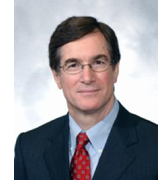
W. Rodney McMullen, 53, Kroger’s President and Chief Operating Officer, will become CEO on January 1, 2014. Mr. McMullen joined Kroger in 1978 on a part-time basis on a stock crew and has been President and Chief Operating Officer since 2009 and a Director since 2003. He previously held a variety of senior management positions including Vice Chairman; Executive Vice President of Strategy, Planning, and Finance; and Chief Financial Officer.

Mr. Dillon said, “As Kroger implements its strategic growth initiatives, the time is right for the transition of leadership. I am delighted that the Board has elected Rodney McMullen to succeed me. Rodney has played a leadership role in every major decision Kroger has made for the past 25 years, including the development and implementation of Kroger’s Customer 1st approach as well as our current growth strategy. He is ready to be CEO. I have been honored to lead this great company for over 10 years and look forward to assisting Rodney and the Board in the transition while continuing to serve as Chairman.”

Robert D. Beyer, Kroger’s Lead Director, said, “On behalf of the Board, I thank Dave Dillon for an extraordinary job as CEO and throughout his distinguished career at Kroger. Under his leadership, the company has consistently delivered value for shareholders, customers, and associates. The Board has planned carefully for this leadership succession. We are confident Kroger will continue its growth momentum during the transition and under Rodney McMullen’s leadership. Rodney has the right skills and experience to build on Dave’s accomplishments and leverage Kroger’s strong platform in the years ahead.”

Mr. McMullen said, “I am honored to have this unique opportunity to serve our company and gratified by the Board’s confidence in me. I am excited to lead our efforts to build on Kroger’s market position and competitive advantages to drive value for our shareholders and to strengthen our deep connection with our great associates, our millions of customers and the communities we call home.”

Mr. McMullen’s successor will be named at a later date.

September is We Card Awareness Month; Retailer Material Available

Heading 2

Lorem ipsum dolor sit amet, consectetur adipisicing elit. Nostrum minus ea suscipit porro alias corporis libero at. Perferendis omnis, veniam nemo beatae vel? Tempora numquam a repellat eaque natus, magnam?

Heading 2

Lorem ipsum dolor sit amet, consectetur adipisicing elit. Autem ipsum mollitia neque, illum illo excepturi, eum incidunt fugit nostrum est, voluptate eaque minima corporis debitis at, dolores ipsam. Quaerat, dolores.

Heading 2

Lorem ipsum dolor sit amet, consectetur adipisicing elit. Autem ipsum mollitia neque, illum illo excepturi, eum incidunt fugit nostrum est, voluptate eaque minima corporis debitis at, dolores ipsam. Quaerat, dolores.

Heading 2

Lorem ipsum dolor sit amet, consectetur adipisicing elit. Autem ipsum mollitia neque, illum illo excepturi, eum incidunt fugit nostrum est, voluptate eaque minima corporis debitis at, dolores ipsam. Quaerat, dolores.

Heading 2

Lorem ipsum dolor sit amet, consectetur adipisicing elit. Autem ipsum mollitia neque, illum illo excepturi, eum incidunt fugit nostrum est, voluptate eaque minima corporis debitis at, dolores ipsam. Quaerat, dolores.

September is We Card Awareness Month, named for one of the most successful corporate social responsibility efforts in America. The We Card program is entering its 18th year with a call to action for retailers, requesting stronger restriction of tobacco products to minors.

WCAwarenessMonth_Logo_RGB160x174

The program, recognized by its ubiquitous yellow and red signage that warns “Under 18, No Tobacco: We Card,” has been providing training and educational materials to retailers since 1995.

As part of its award-winning campaign to prevent underage access to tobacco products, We Card will also educate retailers nationwide about state laws that restrict e-cigarette sales to minors. The U.S. Food and Drug Administration is considering regulations on e-cigarettes as part of its authority over tobacco granted by Congress in the 2009 as part of the Family Smoking Prevention and Tobacco Control Act.

“The good news is that youth access to tobacco at retail is down,” said Doug Anderson, President of We Card. “Preventing illegal sales to minors remains a top priority for retailers and We Card.”

“We can confidently say that We Card is one of, if not, the most successful corporate social responsibility efforts ever. Along with state and federal law enforcement, the nation’s retailers through We Card have helped dramatically reduce youth access to tobacco,” said Lyle Beckwith, Senior Vice President of Government Relations for the National Association of Convenience Stores and a We Card board member.

September, We Card Awareness Month, is when retailers traditionally begin plotting their compliance strategies for the coming year, ordering training for their employees along with signage and other tools. Orders are already coming in for the 2014 Age-of-Purchase Calendar, which gives retail workers a daily reminder and an age-calculation tool to identify and prevent underage attempts to purchase tobacco.

Learn more about We Card and We Card Awareness Month »

In the past 15 years, successful attempts by minors to purchase tobacco products has decreased from 40% down to 9.1%, according the 2012 Synar Report. Compliance with federal FDA regulations is even lower at about 6%, according to We Card’s analysis of publicly available FDA data.

“We Card and all that it has accomplished is a significant achievement for our industry,” said Peter Larkin, President and CEO of the National Grocers Association and founding board member of We Card. “I’m pleased that retailers stepped up and joined in a unified long-term effort to prevent minors from getting access to tobacco products.”

Since 2010, when the FDA began enforcement at retail, nearly 200,000 compliance checks have been conducted at a rate of 6,000-10,000 inspections per month, in addition to the state inspections. Recently, We Card adjusted its online training to meet FDA’s guidelines for Tobacco Retailer Training Programs.

Sales & Profits Improve Significantly for Independent Grocers

Heading 2

Lorem ipsum dolor sit amet, consectetur adipisicing elit. Nostrum minus ea suscipit porro alias corporis libero at. Perferendis omnis, veniam nemo beatae vel? Tempora numquam a repellat eaque natus, magnam?

Heading 2

Lorem ipsum dolor sit amet, consectetur adipisicing elit. Autem ipsum mollitia neque, illum illo excepturi, eum incidunt fugit nostrum est, voluptate eaque minima corporis debitis at, dolores ipsam. Quaerat, dolores.

Heading 2

Lorem ipsum dolor sit amet, consectetur adipisicing elit. Autem ipsum mollitia neque, illum illo excepturi, eum incidunt fugit nostrum est, voluptate eaque minima corporis debitis at, dolores ipsam. Quaerat, dolores.

Heading 2

Lorem ipsum dolor sit amet, consectetur adipisicing elit. Autem ipsum mollitia neque, illum illo excepturi, eum incidunt fugit nostrum est, voluptate eaque minima corporis debitis at, dolores ipsam. Quaerat, dolores.

Heading 2

Lorem ipsum dolor sit amet, consectetur adipisicing elit. Autem ipsum mollitia neque, illum illo excepturi, eum incidunt fugit nostrum est, voluptate eaque minima corporis debitis at, dolores ipsam. Quaerat, dolores.

The National Grocers Association (NGA) and FMS released the results of their joint 2013 Independent Grocers Financial Survey. Showing their resilience and business savvy, independent grocers capitalized on the improvements in the economy and posted an average net profit before taxes of 1.65 percent in fiscal year 2012, up from 1.12 percent in 2011. They also grew inflation-adjusted same-store sales and improved gross margins across key store categories.As unemployment, consumer confidence and other key economic indicators improved, so did the financial results of independent grocers.

“Fiscal year 2012 was quite the comeback year for independent food retailers,” says Peter Larkin, President & CEO, NGA. “We found vast improvements in financial performance, much higher levels of store development, stabilized payroll and lower levels of theft-related shrink for the majority of respondents.”

Independent grocers pushed through one of the worst economic downturns in our nation’s history and are coming out better and stronger. The report reviews the top 25th percentile in net profits, the “profit leaders,” that once again showed a strong performance with an average net profit of 4.01 percent through superior expense control, margins and sales.

“However, in 2012, the pack fought back,” says Robert Graybill, President and CEO of FMS. “The profit leaders continued to do well, but the rest of the industry significantly reduced the gap between the best and the rest by tightly managing costs and margins. Independents also closed in on the publicly-traded grocery chains.”

Some key report findings include:

  • Fiscal year 2012 same store sales were +1.46 percent before adjusted for inflation. Inflation-adjusted same-store sales were +0.2 percent, up from -2.2 percent in 2011. Fewer independent grocers reported sales gains below the rate of inflation at 49.2 percent versus 72.7 percent in 2011.
  • Many retailers improved margins in key categories leading to a slight increase in the total store margin to 26.48 percent.
  • The net profit for all companies increased to 1.65 percent from 1.12 percent in 2011. Additionally, only 1.9 percent of companies reported negative profit numbers versus 13.5 percent in 2011.
  • On the cost side, healthcare costs continued to increase at a rate of 7.6 percent in 2012, with 81.8 percent of retailers expecting higher costs in 2013. With lower energy prices, utility costs did come down as a percentage of sales, as did rent expenses.

In addition to sales distribution and gross margin data by department, the report also provides detailed financial information by region, store sales volume and profit leaders. The general section of the report includes a thorough review of the nation’s economic and political landscapes and how they impact independent food retailers. The 2013 Independent Grocers Financial Survey is based on data from 146 independent grocers and was conducted by 210 Analytics, LLC. Purchase the report »

SF Chronicle Opinion: Time to Ban Plastic Bags Statewide

Heading 2

Lorem ipsum dolor sit amet, consectetur adipisicing elit. Nostrum minus ea suscipit porro alias corporis libero at. Perferendis omnis, veniam nemo beatae vel? Tempora numquam a repellat eaque natus, magnam?

Heading 2

Lorem ipsum dolor sit amet, consectetur adipisicing elit. Autem ipsum mollitia neque, illum illo excepturi, eum incidunt fugit nostrum est, voluptate eaque minima corporis debitis at, dolores ipsam. Quaerat, dolores.

Heading 2

Lorem ipsum dolor sit amet, consectetur adipisicing elit. Autem ipsum mollitia neque, illum illo excepturi, eum incidunt fugit nostrum est, voluptate eaque minima corporis debitis at, dolores ipsam. Quaerat, dolores.

Heading 2

Lorem ipsum dolor sit amet, consectetur adipisicing elit. Autem ipsum mollitia neque, illum illo excepturi, eum incidunt fugit nostrum est, voluptate eaque minima corporis debitis at, dolores ipsam. Quaerat, dolores.

Heading 2

Lorem ipsum dolor sit amet, consectetur adipisicing elit. Autem ipsum mollitia neque, illum illo excepturi, eum incidunt fugit nostrum est, voluptate eaque minima corporis debitis at, dolores ipsam. Quaerat, dolores.

As San Franciscans, we care deeply for the environment. Together, we’ve shown the world that hybrid cars, composting, rooftop solar panels and reusable bags work to solve environmental problems. Soon, our first-in-the-nation plastic-bag ban will cover restaurants, and San Francisco will be the biggest U.S. city completely free of plastic carry-out bags. With Los Angeles’ plastic bag ban, a third of Californians will soon be bag free. But until our state legislators follow San Francisco’s example, plastic bags from other cities will continue polluting San Francisco Bay.

It’s time for California to ban single-use plastic bags statewide.

Plastic bags are an environmental blight and a direct threat to wildlife. A Bay Area Stormwater Management Agencies Association study found that plastic shopping bags are 8 percent of the garbage volume washing into our bay.

These bags are one of the four most common garbage items on California beaches, according to Ocean Conservancy. In 2010, volunteers picked up over 65,000 plastic bags during just one statewide cleanup.

Less than 5 percent of these bags are recycled, and too many pollute our beaches, the bay and the Pacific Ocean.

Translucent and bell-shaped, plastic bags are too often mistaken for jellyfish and eaten by sea turtles. Leatherback sea turtles, which swim off our shores as far north as Mendocino County, feed almost exclusively on jellyfish. A recent review of 370 autopsies found that 1 in 3 leatherbacks have plastic in their stomachs. Most often, it’s a plastic bag. Leatherback turtles have died off by 95 percent since the 1980s from a combination of causes.

Birds, fish and at least one baby sea otter found by Save Our Shores are often entangled in plastic bags. Once trapped, the animal can drown, suffocate or be strangled as it outgrows a plastic noose. Nearly 16 percent of all entangled animals found during Ocean Conservancy’s 2010 cleanup were caught in plastic bags. This was the largest impact after fishing line and fishing nets, which entangled 30 percent and 27 percent of recovered animals, respectively. Not a good comparison for plastic bags, a product never designed to capture wildlife.

In a few short years, nearly 80 California cities and counties have banned plastic bags. With Los Angeles’s bag ordinance, nearly 1 in 3 Californians will live somewhere with a plastic bag ban. Banning plastic bags has become the new normal, but too many bags still reach the bay, where they drift out to sea through the Golden Gate.

The most recent attempt to pass a statewide plastic bag ban fell just three votes short in the state Senate, closer than ever before. San Francisco has shown that plastic bag bans work to clean up parks and beaches and protect the bay and our ocean. With a third of the state covered by local bans, California is clearly ready for this change. The Legislature must act. Let’s ban plastic bags statewide.

Supervisors John Avalos and David Campos sponsored San Francisco’s expanded plastic bag ban.

Reprinted from the San Francisco Chronicle (8/16/2013)